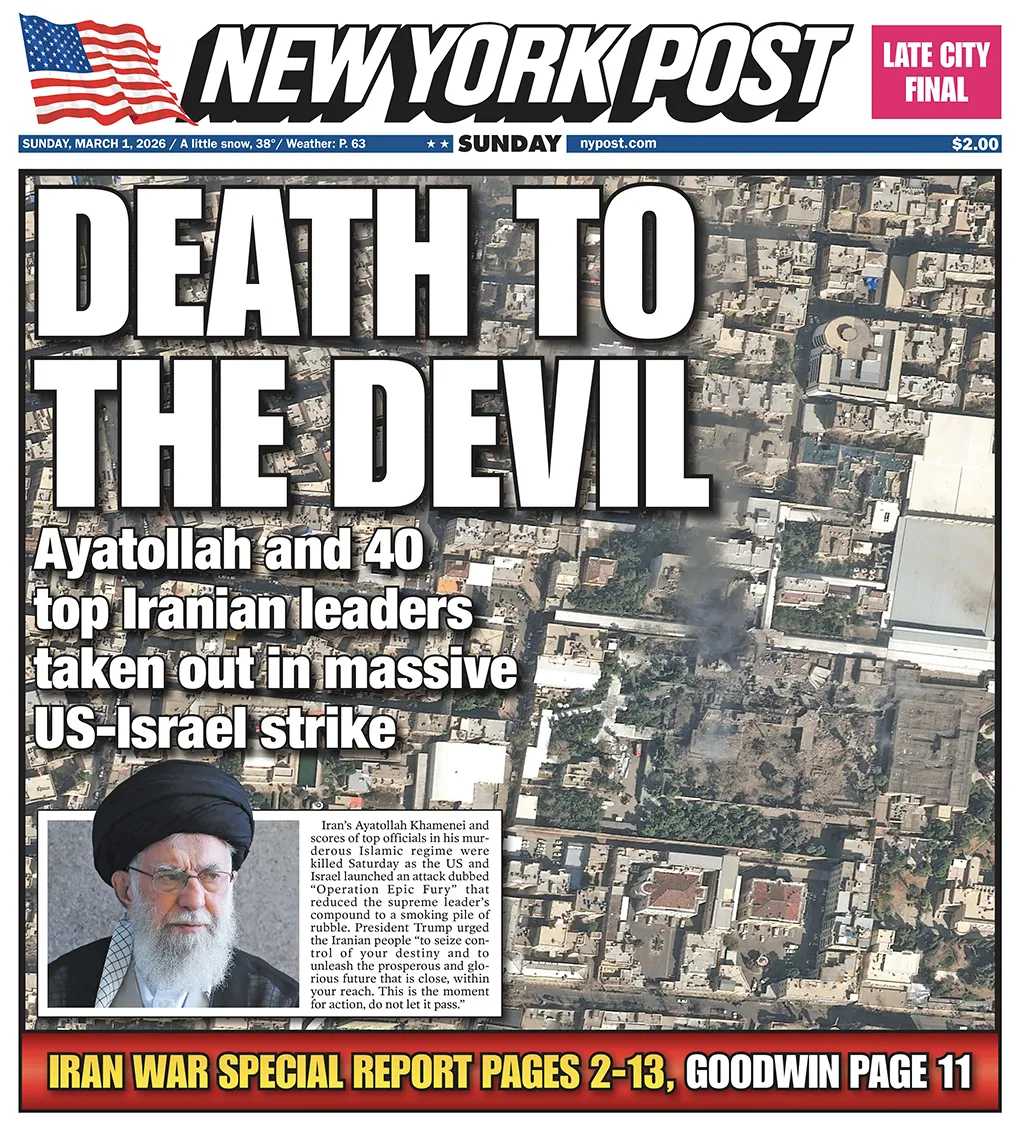
Why Fighting Between the U.S. and Iran Could Make Your Gas More Expensive

A Ceasefire That Barely Held
On April 8, 2026, the United States and Iran agreed to a ceasefire, worked out with Pakistan's help. It lasted less than two months. By June 6, 2026, they were fighting again — the U.S. launching airstrikes after Iran sent drones into the Gulf. This matters because the area they're fighting over sits right in the middle of one of the world's most important oil shipping lanes.
Here's what happened, in order:
- April 8: Both sides agreed to stop fighting
- May 26: Iran's government said the U.S. broke the deal by striking targets near the Strait of Hormuz. The U.S. Secretary of State said a new agreement could take "a few days"
- June 6: The U.S. struck Iranian coastal positions after Iran launched drones into the Gulf
The sequence matters because it shows how quickly things fell apart.
A Strike on a Nuclear Site
The real turning point was a U.S. military operation against an Iranian nuclear facility. The U.S. Defense Secretary called it "historically successful." The Defense Department said American officers had spent 15 years studying this specific site — it was being used to enrich uranium for weapons. That level of preparation tells you this was not a quick decision but something carefully planned over many years.
Israel also struck targets in Iran during this same period, continuing a pattern that has happened under multiple U.S. presidents.
This is the context worth holding in mind: these were not casual strikes. They signal serious intent on the part of the U.S. and Israel to limit Iranian nuclear activity.
The Strait of Hormuz: Why This Matters to Your Wallet
Now here's the part that affects ordinary people's money. About 25% of all oil traded by sea moves through the Strait of Hormuz — a narrow waterway in the Gulf that connects to the Indian Ocean. In 2024, roughly 20 million barrels a day flowed through, according to U.S. Energy Information Administration data cited by Yahoo Finance. Most of it goes to China, India, Japan, and South Korea.
If that shipping lane gets blocked or damaged, it's like closing a major highway. Oil has to take a much longer route around Africa. That adds weeks to delivery times and costs shippers hundreds of thousands of dollars extra per voyage in fuel. Those costs get passed along to you at the pump and in heating bills, usually within four to six weeks.
Iran has said — and has the weapons — to block or damage ships using the strait. It could do this by laying mines, using fast boats, or firing missiles from the shore. The coastal area Iran says the U.S. struck on May 26 is exactly where those weapons would sit.
We've seen this before. In 2019, when ships were being attacked in the same area, insurance costs for passing through the strait jumped as much as tenfold in just days. Oil prices spiked upward. But it faded once the U.S. Navy strengthened its presence and the immediate danger cooled down.
This time feels different. The U.S. is now striking targets inside Iran itself, not just responding to attacks on ships. That's a riskier situation than what happened in 2019.
Why the Ceasefire Broke So Quickly
Pakistan brokered the April 8 deal, which was an unusual choice but one that made sense given Pakistan's history of quiet diplomacy in the region. The fact that Iran had rejected an earlier draft before accepting the Pakistan version suggests Tehran wasn't fully happy with some of the terms — maybe about inspections, access to nuclear sites, or when sanctions would be lifted.
When you agree to something with doubts still hanging over it, it doesn't take much to blow it apart.
Both sides are now accusing each other of breaking the deal. The U.S. points to Iranian missiles hitting Kuwait. Iran points to American strikes near the Strait of Hormuz. This is a familiar pattern: each side keeps room to maneuver while claiming the other side started it. Rubio's comment on May 26 that a new deal could take "a few days" shows the U.S. still wanted to negotiate. But two weeks of strikes and drone launches later, it's unclear if either side has actually moved toward a real settlement.
Where This Could Go From Here
The escalation has moved through clear steps: militia strikes, ceasefire accusations, nuclear facility strikes, coastal bombardments, and drone exchanges in the Gulf. Each step has been bigger than the last.
The question now is: where do things go from here?
The biggest near-term concern for global oil markets is if fighting directly damages tanker traffic through the strait. If insurers decide the risk is too high, they'll force ships to take other routes. That would tighten supply in the region sharply and push prices up worldwide. Another dangerous threshold would be if Iran attacks Saudi Arabian oil facilities — the massive processing plants at Abqaiq and Khurais are obvious targets and would cause serious supply shortages.
Rubio's "few days" to a deal has now turned into two more weeks of fighting. Whether both sides can find a way to actually stop — one that they can both verify and trust — remains to be seen. Right now, it doesn't look like they have.
The price you pay for gas, heating oil, and electricity is being set by markets that are, in real time, calculating the odds of whether this conflict stays contained or breaks into something much bigger. The outcome will determine how much these things cost you over the next several months.