A Grassfire Hit Homes on the UK's Hottest Day of 2026 — Here's What Happened
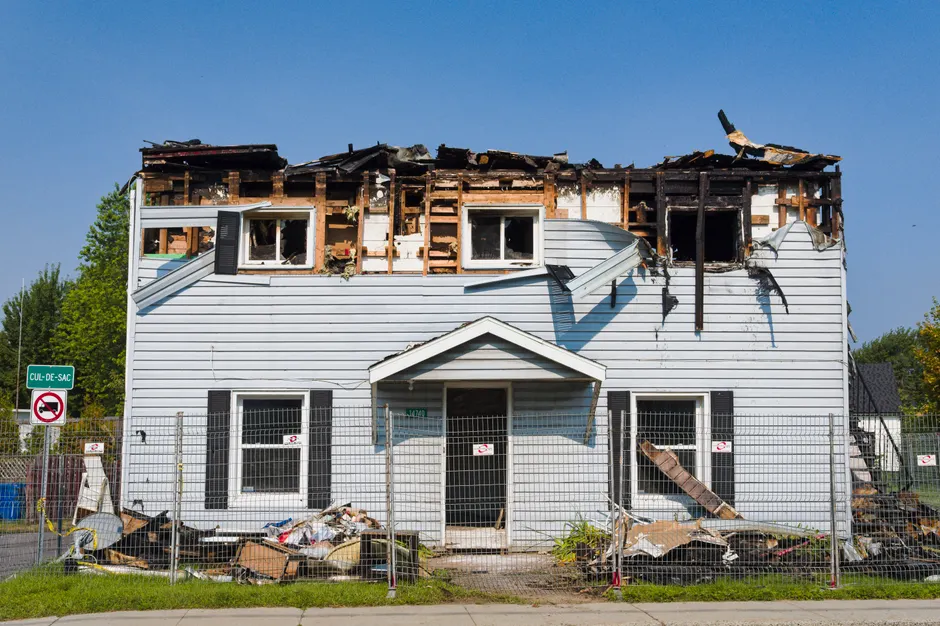
Four people were hospitalised and six homes were directly affected after a grassfire spread into a residential area in Stourbridge, West Midlands, on 13 August 2026. That same day, the UK recorded its hottest temperature of the year: 38.1°C (100.6°F) at Kew Gardens in west London (The Guardian).
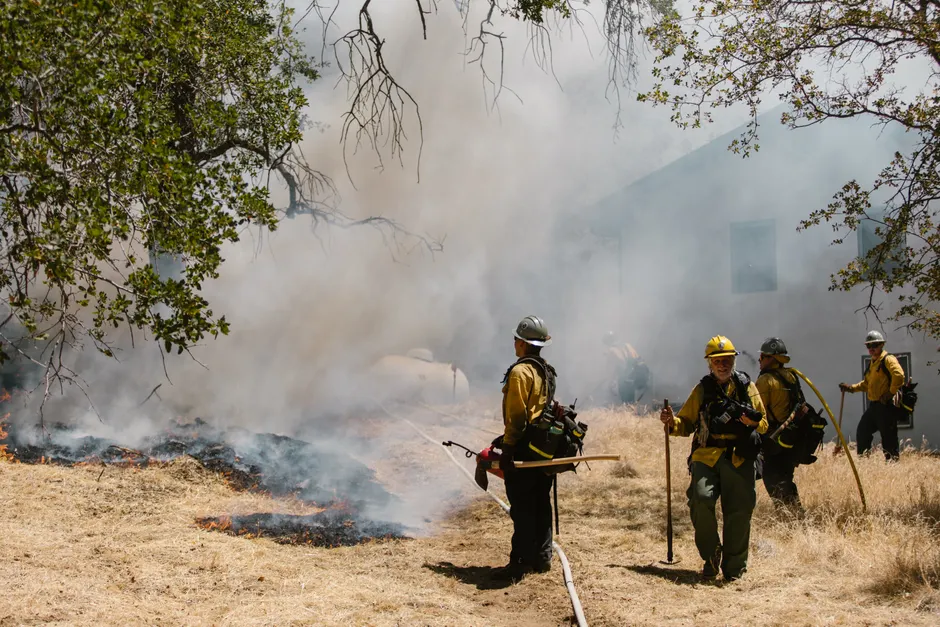
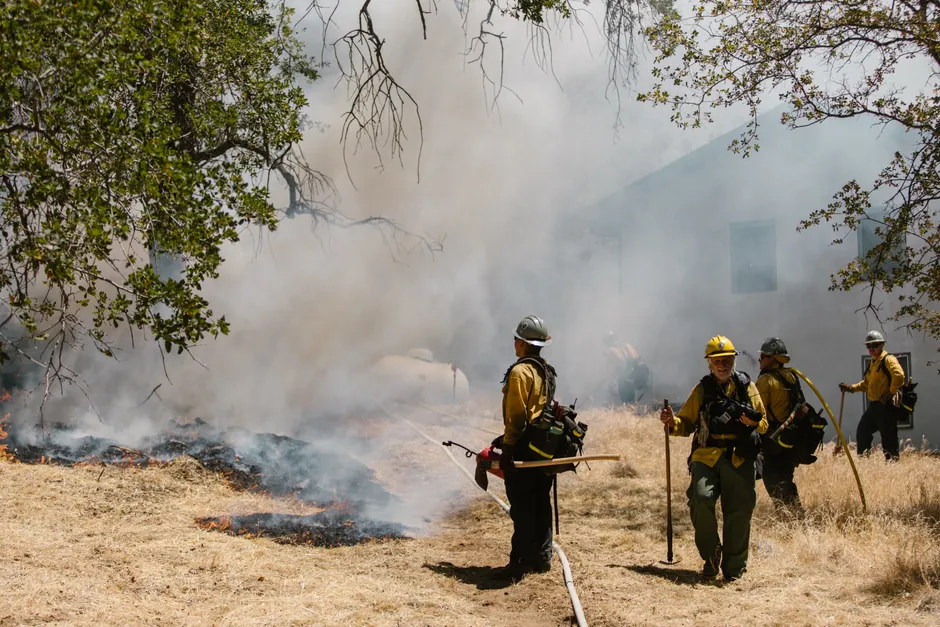
The West Midlands Fire Service was called to a large grassfire near Stourbridge golf course, at Racecourse Lane next to Clayhanger Lane, just before 1.30pm on Thursday 13 August 2026 (West Midlands Fire Service). The fire covered about 16 hectares (40 acres), including a wood. More than 60 firefighters were sent to contain it. A fire service spokesperson called it a wildfire with several points of origin and multiple houses on fire (The Guardian). Flames were spreading across roads in places, according to the fire service's own updates (West Midlands Fire Service via Facebook).
Three firefighters and a child were taken to hospital. Six more people were treated for smoke inhalation at the scene. Six homes were directly affected, and other residents reported power problems. Stourbridge town hall was opened for people who had to leave their homes, and care home residents were evacuated, according to local councillor Andrew Southall (The Guardian).
The fire also disrupted travel. Train services were suspended because of the blaze (ITV News via Facebook), and some local rail services were affected more broadly. Roads in the Stourbridge area were closed due to smoke, fire, and fallen trees. Northbound traffic on the M6 near Birmingham was temporarily closed because of smoke from a separate fire near the motorway, causing delays of over two hours (The Guardian).
The Stourbridge fire was not alone. Fire crews across the UK battled multiple blazes that evening, including fires in Sandyford, Stoke-on-Trent, and Castle Vale near Birmingham. Warwickshire Fire and Rescue Service declared a major incident as crews fought a large fire in Salford Priors, Stratford-upon-Avon. That fire was considered under control by the evening (The Guardian).
The Met Office gave a provisional reading of 38.1°C at Kew Gardens, making 13 August 2026 the hottest day of the year in the UK. Forty locations across central and southern England recorded temperatures of 36°C or above on the same day (The Guardian).
The broader context here is about what happens when extreme heat meets areas where open land and housing sit side by side. UK fire services have dealt with this kind of situation less often than those in southern Europe or North America, but it is becoming more common with each heatwave. Think of dry grass and plants as kindling: after days of extreme heat, they catch fire easily and burn fast. The Stourbridge fire showed several signs of this, including multiple starting points, flames crossing roads, and fire reaching homes directly. The fact that three firefighters needed hospital treatment, along with a child, shows the fire posed serious risks even to trained professionals wearing protective gear.
What is also notable is how many fires burned at the same time across the West Midlands and nearby regions on a single evening. Warwickshire Fire and Rescue declaring a major incident, the M6 closing, and multiple blazes in Sandyford, Stoke-on-Trent, and Castle Vale together suggest a region-wide emergency that tested how well fire services can share staff and equipment when demand is high everywhere at once. The Stourbridge fire alone drew over 60 firefighters to a single 16-hectare blaze, a major commitment when other crews were already stretched thin across neighbouring areas. For emergency planners, the day's events show how one very hot day can trigger a chain of simultaneous incidents that strain not just firefighting capacity but also evacuation logistics, transport networks, and power infrastructure.