Why South Korea Is Worried About Its Currency—and What It Means for You

The Signal
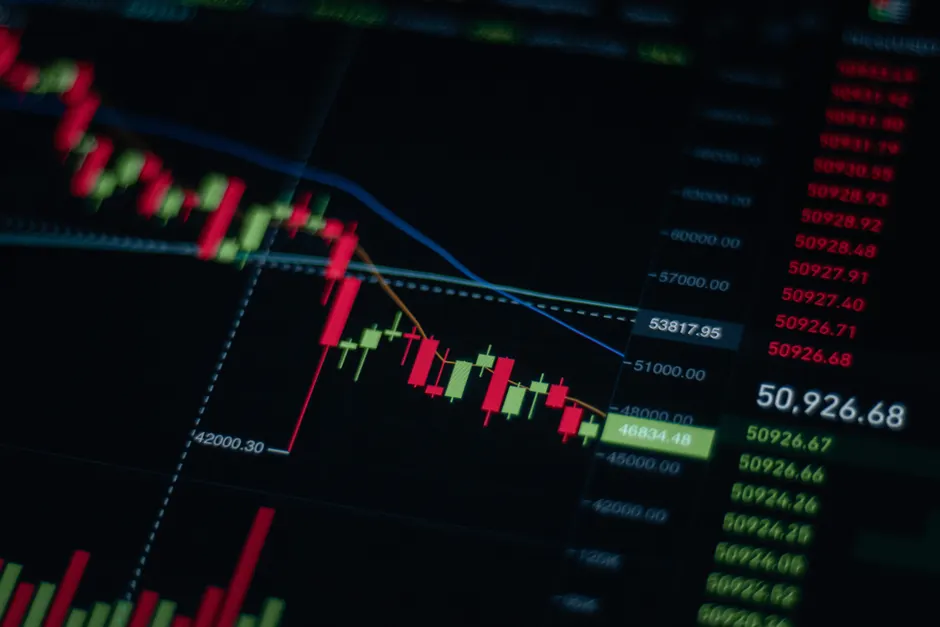
South Korean financial authorities told banks to clamp down on risky currency betting on June 8, 2026, after the Korean won dropped to its weakest level against the US dollar since 2009, according to The Wall Street Journal. This was not a casual suggestion. It was a coordinated message from both the Bank of Korea (the country's central bank) and the Financial Services Commission (its financial regulator) that the currency's slide is now a real problem, not just normal market movement.
The story did not start in June. The won had already fallen hard — more than 8% — in the second half of 2025, according to Reuters. By late December, a senior BoK official was warning publicly that the currency weakness was creating risks to the whole financial system. When a country's money loses that much value that fast, bad things can happen: imports get more expensive, foreign companies pay less for Korean exports, and Korean businesses that owe money in US dollars get squeezed.
What These Regulators Can Actually Do
To understand what happened on June 8, you need to know what tools the authorities have.
The Financial Services Commission watches the currency markets every day, looking for signs that someone is moving prices in unfair or destabilising ways. It has the power to punish traders and firms it thinks are playing games with the currency.
The Bank of Korea has its own toolkit. It has rules that stop non-Koreans from building up huge bets against the won through offshore markets — think of these as contracts between traders that let them bet on the won's direction without actually having to touch the physical currency. These rules are designed to stop the kind of piling-on that can make a currency collapse faster. The BoK publishes yearly financial stability reports where it tracks these kinds of risks and tells the public what it is worried about.
In practice, both institutions work together. The financial commission handles rule-breaking and market order. The central bank handles interest rates and bigger economic levers. When the won is under stress, they move in the same direction.
A Tension in the Bigger Picture
Here is something worth noticing. Even as authorities were tightening controls on currency betting in June 2026, the government was moving the other way on a separate issue. In December 2025, the Finance Minister said South Korea planned to loosen the rules that keep banks separate from other large businesses. The idea was to let investment flow more freely. That is a reasonable growth-boosting idea in theory, but it also creates new channels for financial trouble to spread if something goes wrong. These two policies point in different directions, and both matter if you are thinking about Korean financial risk.
Why does the government take currency weakness so seriously? Because of 1997. That year, South Korea hit a financial crisis — the currency collapsed, the current account went haywire, and the banks did not have enough money. The country needed a rescue from the International Monetary Fund. The new governor of the Bank of Korea, who took over in early 2026, was actually working in government during that crisis. That memory shapes how officials treat a currency at 17-year lows — not as just a price adjustment, but as a warning sign.
Korea has been down this road before. During the 2008 global financial crisis, the won fell about 35% in value against the dollar at its worst. The Bank of Korea stepped in with emergency currency swaps and direct market trades. The regulator pushed banks hard to reduce their bets on the currency going down further. The pattern then was: words first, administrative tightening second, direct market action third. That same pattern looks to be playing out in 2026, though the won is nowhere near as weak now as it was in 2008.
What "Stepping Up Controls" Actually Means
When Korean regulators "urge" banks to do something, that word does not mean what it means in English conversation. It is somewhere between a polite request and an order. Korean banks — most of which have long histories with the government and depend on it in various ways — treat regulatory guidance as binding even when it is not written down as a formal rule. When the FSC urges, banks listen.
In practice, that means banks will tighten the limits they place on currency betting by their traders. They will ask more questions about large currency trades their clients want to make. They will pay closer attention to which non-Korean investors are building up big bets against the won. If a bank does not comply, the FSC can investigate and punish it.
Why the 2009 Benchmark Matters
A won at its weakest since 2009 is meaningful because Korea's economy depends on selling things to the rest of the world — cars, semiconductors, chemicals. When the currency is weak, those exports become more expensive for foreign buyers, which is bad for Korean companies trying to sell them. At the same time, Korea has to import a lot of oil and raw materials, and those are priced in dollars. A weak won makes those imports more expensive, which pushes up prices for Korean consumers.
For Korean banks and large companies that owe money in dollars, a weak won is painful. It takes more won to pay back dollar debts. Banks also have to buy dollar insurance — called hedging — to protect themselves from further weakness, and that insurance gets more expensive when everyone is trying to buy it at once. All of this can make it harder for Korean businesses to borrow money or invest.
What Happens Next
The regulators have made their position clear. Whether their words are enough to stop the won from falling further depends on things they cannot control — whether the US dollar keeps getting stronger worldwide, how much global investors want to take risk, and whether Korean companies keep selling goods abroad.
What the June 8 message does do is set a boundary: banks that help non-Korean investors bet against the won will face consequences. Market traders and investors should treat this as a serious warning, not a one-time pep talk. If the won keeps hitting new multi-year lows, authorities will probably take harder action — tighter rules on how much currency traders can bet, more reporting requirements, or direct buying of the won by the central bank itself. Once regulators have signalled their intent this clearly, they usually follow through.