Why South Korea Just Opened Its Currency Market 24 Hours a Day
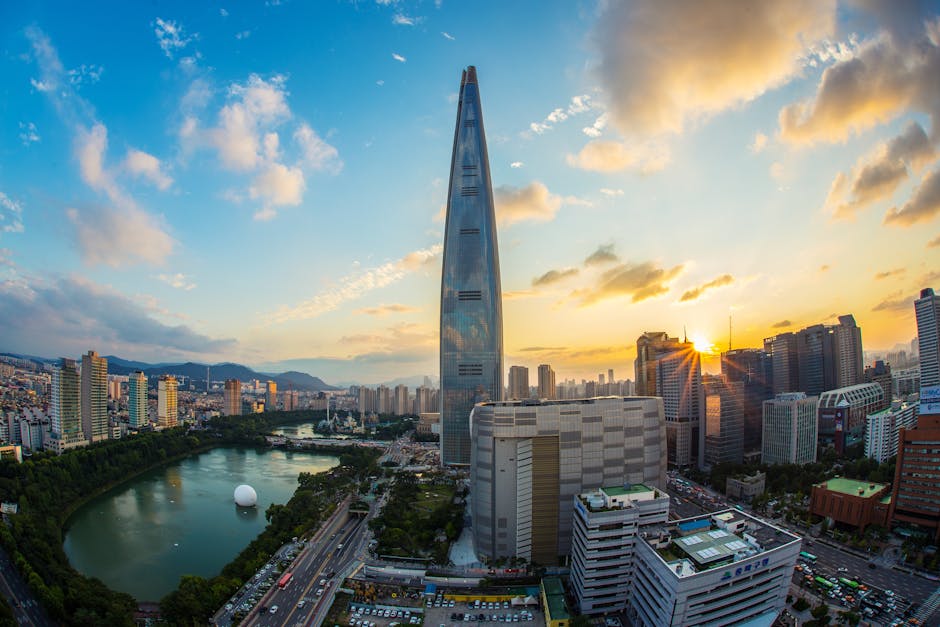
South Korea's currency market started trading around the clock on July 6, 2026. For the previous 29 years, trading had shut down each afternoon—a rule put in place after a financial crisis in 1997. Now the market never closes.
The government announced the plan back in 2025 and tested it for a week before the full launch. On day one, the won held steady, which was good news for Seoul's officials. They set up a control room to watch the currency's price and trading activity in real time, making clear that opening the market didn't mean stepping away.
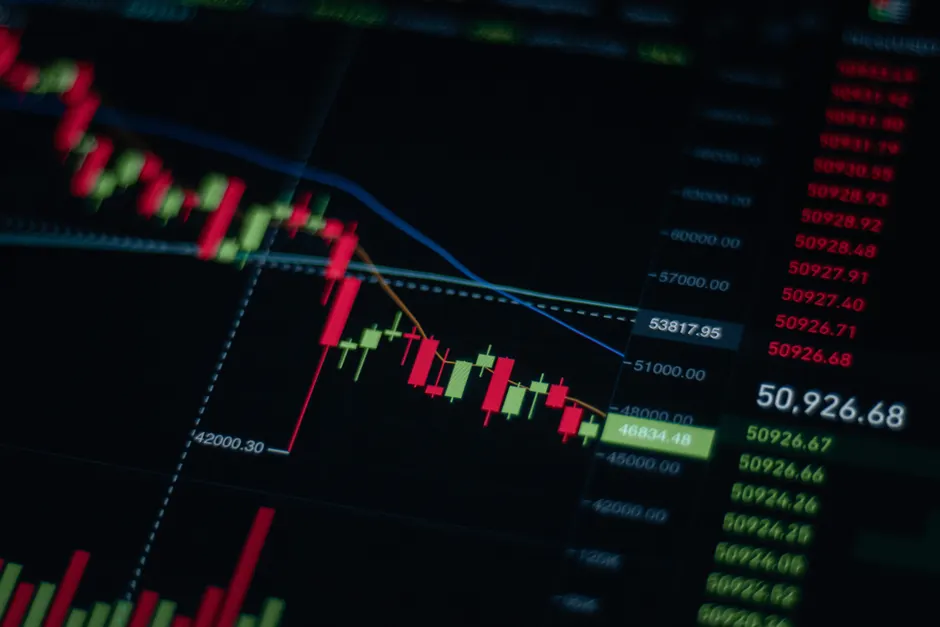
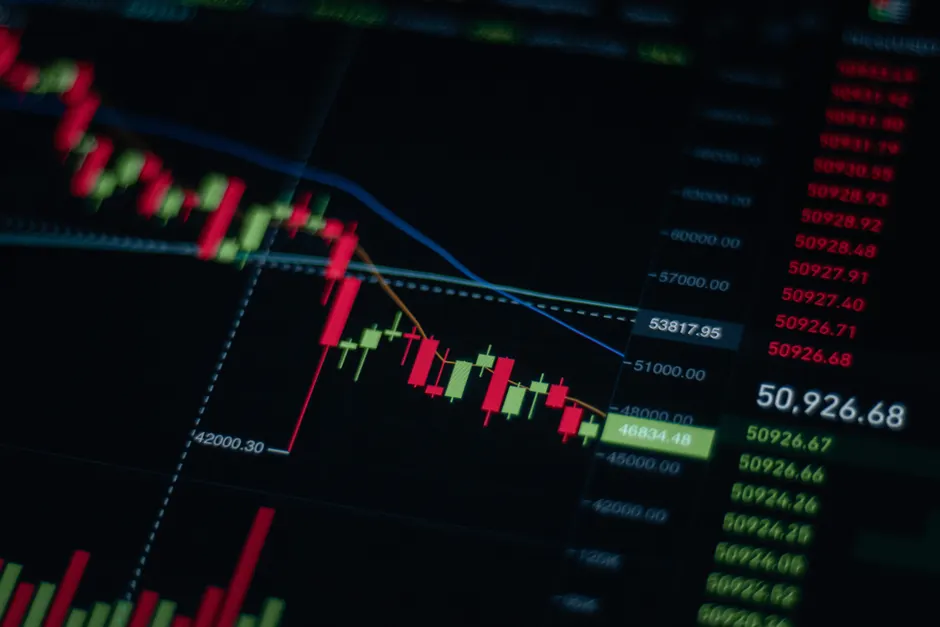
Timing matters here. The won had already fallen hard—it hit a 17-year low in the first six months of 2026 and was the worst-performing currency in Asia. Opening the market to 24-hour trading while the currency is already under pressure could make things worse. Here's why: before now, when Seoul's market closed in the afternoon, international traders working overseas would continue trading the won on their own platforms using a different method. They couldn't directly move Seoul's official prices. Now they can. That could mean faster, bigger drops in the won's value if traders keep betting against it.
Currency dealers aren't thrilled about the change. In late June, traders told Reuters they worried about staffing costs and the risk that a single large order in the middle of the night—when few others are trading—could swing the price dramatically. That's a real risk. At 3 a.m. Seoul time, one big buyer or seller can move the market more than the same order would in busy London or New York, where dozens of trades are happening every second.
In September, South Korea is planning a second move: it will let foreign investors and banks trade the won more easily without going through international brokers. This should widen the pool of buyers and sellers, which normally helps. But a larger market with more players can also spread trouble faster if panic hits.
South Korea wants all this to unlock a bigger prize. The MSCI rating agency—which decides which countries count as developed markets—has been hesitant to upgrade South Korea because of currency restrictions. An upgrade would mean the country's companies get added to developed-market index funds, bringing in a flood of new investment. MSCI hasn't said yes yet, but South Korea has now removed one of the main reasons for them to say no. Whether that's enough is still an open question.