India's Monsoon Arrived Late This Year—Here's Why That Matters
India's Monsoon Arrived Late This Year—Here's Why That Matters
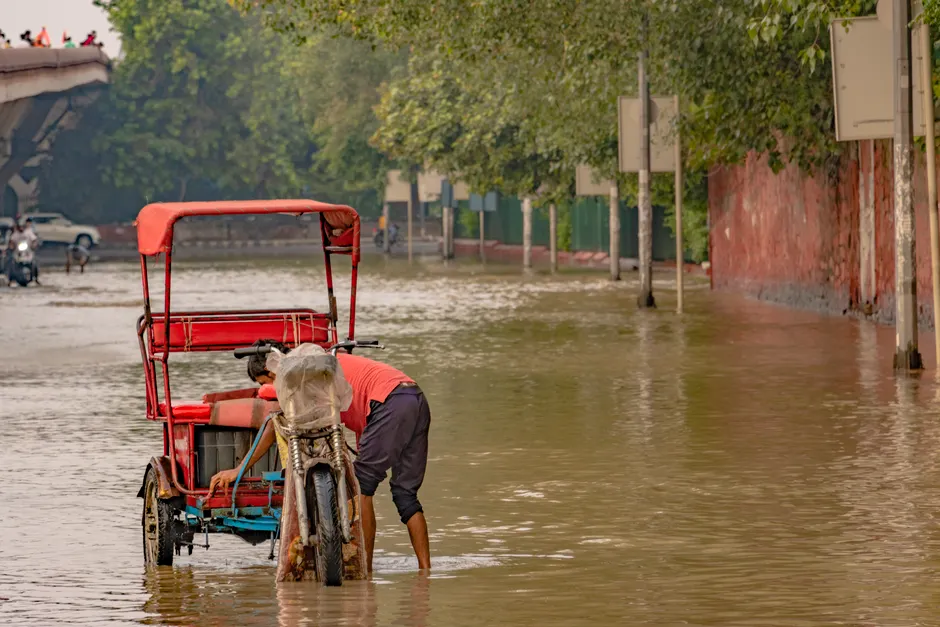
The India Meteorological Department officially announced on June 4, 2026, that the southwest monsoon had reached Kerala — three days later than the average date of June 1, according to Reuters. This announcement is more than a weather report. The monsoon is India's water lifeline for the next four months, delivering most of the country's annual rain and powering the summer crop cycle that feeds millions.
What Actually Is the "Monsoon Onset"?
The southwest monsoon doesn't arrive all at once, like flipping a switch. Instead, the weather service has specific criteria to declare onset officially. Three things must happen at the same time: heavy, persistent rain clouds must develop; winds from the southwest must replace the old wind patterns; and rainfall must exceed certain levels at a network of weather stations across Kerala for at least two days in a row.
Think of it like declaring a season officially open. Before that declaration, you might see rain or wind shifts, but they don't count as the real beginning. Once IMD makes the formal call, governments, farmers, dam operators, and insurers treat it as the signal to activate their monsoon plans.
The Forecast Timeline: What Went Wrong
On May 15, the weather service made its monsoon forecast: the rains would arrive on May 26, with a possible margin of error of plus or minus four days. That window ran from May 22 to May 30. The actual arrival on June 4 fell nine days after the forecast, outside that error range.
For the agencies that depend on this prediction—water authorities deciding when to release dam water, disaster response teams pre-positioning rescue equipment, and agricultural advisors telling farmers when to plant—this miss created real scheduling problems. The weather service will examine why its model was off by that much when it issues its yearly report card on forecast accuracy.
The sequence the weather service followed was correct: it issued a longer-range forecast in May, then a more precise 24-hour forecast on June 3, then the official declaration on June 4. That process is standard and works well most of the time.
Why This Delay Doesn't Automatically Spell Disaster
A late onset does not mean the monsoon season will bring too little rain overall. Past years show that late starts and seasonal rainfall totals are barely connected. The 2019 season, for example, began on June 8—the latest in 25 years—yet by season's end, India received above-normal rain. The same happened in 2023. Each monsoon season has its own character; a three-day lag at the start does not predict the finish line.
That said, a compressed start does pack more rain into the season's opening weeks. If subsequent rainfall spreads evenly through June and July, early-planted crops could still face challenges. But it's too early to know whether that will happen this year.
What Happens Next
Now that Kerala has the formal monsoon declaration, forecasters and government officials will track how fast the rains move northward across the country. The monsoon usually reaches central India by late June, the Ganges plain by early July, and the northwest by the first week of July. Each week, the weather service issues updates on whether the monsoon is advancing on schedule or moving slowly.
The bigger story will unfold in these progression bulletins. A three-day delay at the start matters far less than what happens if the monsoon stalls over central India or if there's a prolonged dry break in July. Those scenarios directly affect water supplies, power generation from hydroelectric dams, and whether crop insurance payouts will trigger.
The Broader Context
The weather service issued a seasonal forecast back in April projecting how much rain India would receive across the four-month period. If that forecast predicted above-normal rainfall, then the late start in Kerala is unlikely to change the overall outlook much—unless the northward advance gets stuck or the monsoon weakens later in the season. Those are questions the coming weeks will answer.
The forecast miss itself will matter to the scientific community. Weather forecasting relies partly on statistical models and partly on ensemble predictions—essentially, running many versions of a forecast to see how uncertain conditions really are. When the actual weather falls far outside the stated margin of error, researchers need to understand why: Was it unusual ocean temperatures? An unusual atmospheric pattern? Or did the forecast models need adjustment? Those questions feed into better forecasts for next year.
The Bigger Picture
This season illustrates a tension at the heart of seasonal forecasting: a margin of error like "plus or minus four days" can leave decision-makers uncertain about what level of risk they're really facing. A nine-day miss on a stated four-day error band is a notable outlier, and it raises questions about how weather agencies communicate uncertainty to the farmers, officials, and businesses who rely on these forecasts to plan their year.
None of this tells us whether 2026 will be a good monsoon year or a drought year. That story is still unfolding. What this moment does tell us is that monsoon forecasting remains genuinely difficult—and that for a country where agricultural livelihoods and water security hinge on these rains, getting the details right matters deeply.