Heavy Rains in India: Why Floods and Landslides Are Killing People Across the Country
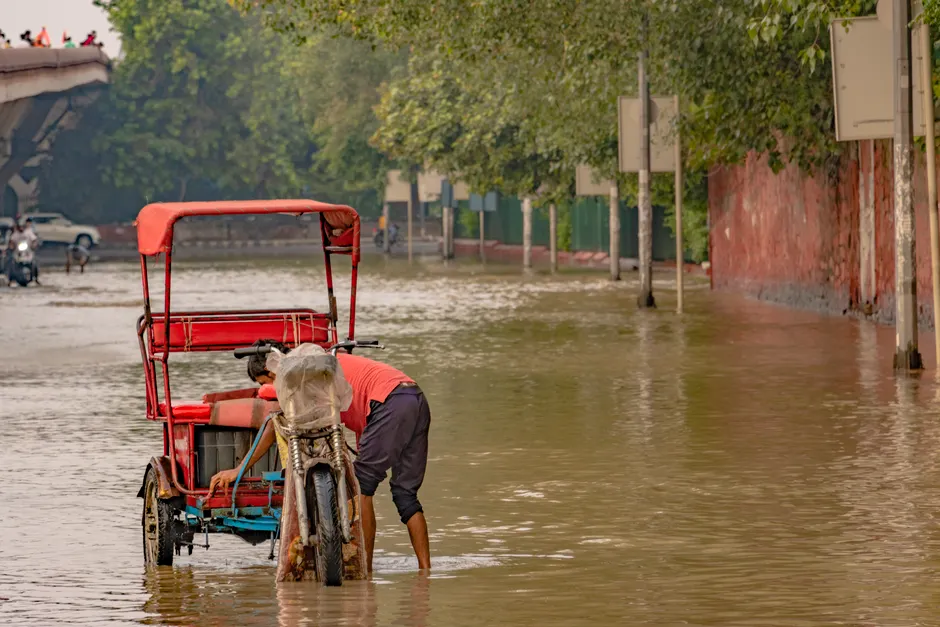
At least 25 people have been killed across northern and northeastern India as heavy seasonal rains caused sudden floods and landslides. Most of the deaths happened in Indian-administered Kashmir and Nagaland. India's weather agency, the India Meteorological Department (IMD), says the heavy rains could last up to a week, which means the death toll may rise as rescue teams struggle to reach people in hard-to-reach areas.
In Indian-administered Kashmir, at least 15 people died in rain-related incidents across the Poonch, Rajouri, and Doda districts, and several others are reported missing, according to a senior police official cited by Al Jazeera. A flash flood in Rajouri caused major damage to homes and public property, according to a statement from the office of Jammu and Kashmir Chief Minister Omar Abdullah. Army personnel and emergency workers rescued 11 people, including five children, during the Rajouri flood.
About 2,000 kilometers to the east, in Nagaland, multiple landslides caused by ongoing rains killed nine people. Wennyei Konyak, the magistrate of Nagaland's Mon district, told AFP that four of eight bodies had been recovered and that rescue work was still going on. At least 15 others were injured.
In Assam, the flooding has caused less loss of life but has forced huge numbers of people from their homes. One person died on July 19, 2026, and more than 57,000 people across seven districts have been affected, according to the state disaster management body. Assam sits along the Brahmaputra river, which regularly overflows during the monsoon season.
A monsoon is a yearly weather pattern that brings months of heavy rain to South Asia, usually from June through September. These rains are vital for farming, but they can also be deadly when they overwhelm rivers, roads, and homes.
Authorities temporarily suspended two major Hindu pilgrimages in Jammu and Kashmir, saying the routes were not safe. The annual Amarnath pilgrimage drew more than 400,000 worshippers in 2025, and the Vaishno Devi pilgrimage in Jammu was also halted. The IMD has warned that more extremely heavy rain could hit Jammu and Kashmir in the coming days, so the suspensions could last a while.
The casualty figures were confirmed across multiple news outlets. The Watchers, a natural-events news outlet, cited Reuters as its originating source for the July 20 report. Pajhwok Afghan News also reported the same death toll.
The broader context here is the annual monsoon's ability to overwhelm roads, bridges, and homes across India's mountainous northern and northeastern states all at once. This event stretches from the Pir Panjal mountain range in Kashmir to the Patkai hills in Nagaland — areas separated by thousands of kilometers. The affected districts share similar problems: steep hillsides stripped of trees that easily collapse in landslides, rivers that fill up fast under heavy rain, and roads that can be wiped out by a single flood, leaving communities cut off from help.
Suspending the Amarnath and Vaishno Devi pilgrimages is a significant step because it cuts off a major seasonal flow of visitors into dangerous mountain areas. If the suspension lasts a long time, it would also hurt local businesses that depend on pilgrims for income. Last year's Amarnath season drew over 400,000 participants.
What happens next depends largely on whether the IMD's forecast for continued heavy rains comes true. If the rainy weather lasts the full week, the problems get worse: hillsides soaked with water become more likely to collapse, river levels in Assam and Jammu could keep rising, and rescue teams in Nagaland face ongoing danger. The 57,000-plus people already affected in Assam, combined with those still missing in Kashmir, show the scale of the humanitarian challenge. Whether the death toll stays at 25 or goes higher will depend on how long the rains last and whether the hardest-hit areas get a break before the next downpour.