Lab Tests Find Banned Pesticides in Common European Foods Like Rice and Tea
Lab Tests Find Banned Pesticides in Common European Foods Like Rice and Tea
Consumer watchdog Foodwatch tested 64 food products and found traces of pesticides banned in Europe in 45 of them. The contaminated items included rice, tea, paprika powder, chili, cumin, and curry powder — ingredients found in millions of European kitchens. The findings were published on 8 June 2026.
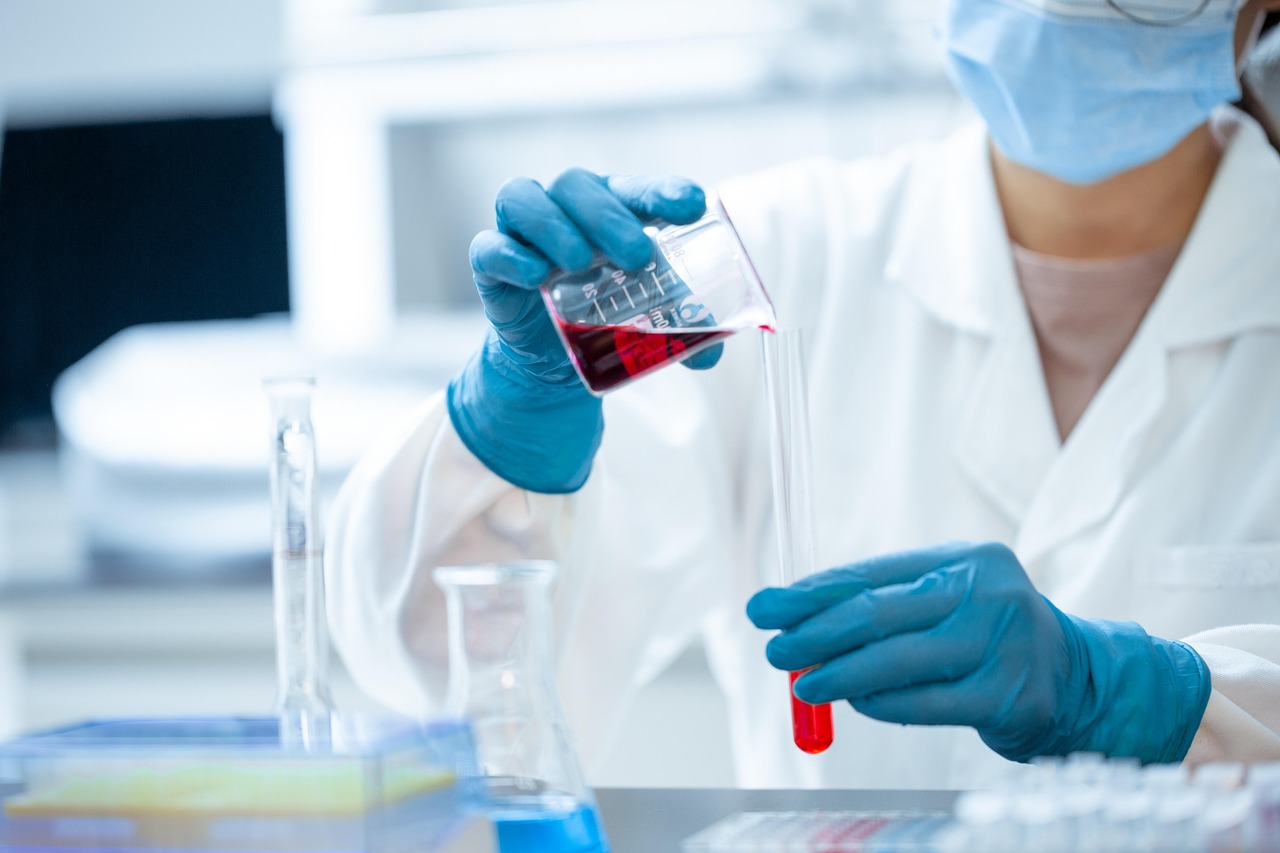
The testing was thorough. Foodwatch's laboratory screened each sample for 736 different pesticide compounds, far more than standard government food safety checks. Spices — especially paprika powder, chili, and cumin — showed the highest contamination, followed by green tea.
Why "Banned" Doesn't Mean What Most People Think
This is where the story gets complicated. In the European Union, certain pesticides have been banned from use on crops grown here. But those same banned pesticides can still be used on crops grown in other countries and then imported into Europe, as long as the residue levels stay below a legal limit called the Maximum Residue Level (MRL). Think of it like this: the EU says "you cannot use this pesticide here," but then at the border says "OK, but only a little bit of it in imported food is allowed."
This legal gap — banned at home, but allowed in imports up to a limit — is the core problem Foodwatch is highlighting. The organisation has been pushing for Europe to stop allowing the import of foods treated with these banned pesticides. The group first raised this issue publicly in July 2025, when analysis showed contamination rates as high as 50 percent in bananas, tea, rice, and spices.
There is another regulatory detail worth knowing. Spices and dried teas are treated differently in European safety rules — they get their legal limits calculated based on how much they weigh after drying, not before. This can mean higher permitted residue levels for these dried products compared with fresh produce. For spice and tea products that already show higher contamination, this rule structure amplifies the debate.
What the Broader Picture Shows
Foodwatch's findings fit into a larger pattern. The European Food Safety Authority's 2024 monitoring report, published in May 2026, checked over 22,000 food samples across the EU and found multiple pesticide residues in about 25 percent of them. However, 70 percent of European food samples contain no detectable pesticide residues at all, according to 2023 data released in May 2025.
The key point: most food on European shelves is legally safe. But when researchers focus specifically on imported spices, tea, and similar products, the picture changes. Analysis by PAN Europe from February 2025 confirmed that tea, coffee, spices, and legumes carry higher contamination levels of banned pesticides compared with other foods.
There is an important distinction here. When regulators say food is "within legal limits," they are using safety margins based on how much of these foods typical people eat. For spices and teas, which some people consume in larger amounts than average, the actual safety margin might be smaller than the headline numbers suggest.
What Comes Next
Europe's regulators are beginning to move. Reuters reported in February 2025 that the European Commission was working on stricter rules to prevent the import of crops treated with pesticides banned in the EU. This is a direct response to campaigns by Foodwatch and other groups pushing for an end to the double standard. The exact rules and timing are still being worked out.
Foodwatch's new test results arrive as this policy discussion is still underway. The detailed product-level data — specific foods with specific problems — is exactly the kind of evidence that tends to influence regulatory decisions, even if it doesn't automatically change overall safety assessments.
A Pattern Europe Has Dealt With Before
This tension between stricter domestic rules and looser import rules shows up repeatedly in European food safety. Similar debates have happened over hormone-treated beef, chlorine-washed chicken, and pesticides on oilseed crops. Each time, the friction appears between Europe's commitment to strict safety standards and the reality that global food supply chains make it hard to be equally strict everywhere. When solutions do come, they usually involve either tightening import rules or negotiating with major trading partners — both take time and come with real costs to trade.
For companies that source spices and teas, the practical stakes are clear. If Europe does tighten import restrictions, they will need to change where they buy these ingredients, do more testing of suppliers, or find different products. Companies whose supply chains rely on regions where these banned pesticides are still actively used will face the biggest pressure.
What This Actually Means for Safety
Foodwatch's test results are clear on one thing: residues of banned pesticides are present in a lot of these foods. What the tests do not tell us is whether those specific residue levels actually cause harm to people who eat them — that kind of detailed health risk analysis is the job of European food safety experts, not consumer watchdog groups.
That matters for how to interpret these findings. This is primarily an argument about policy fairness — that banning a pesticide at home but allowing it in imports is not consistent — rather than an immediate danger warning. Foodwatch frames it that way, and the framing is fair.
What tends to change when evidence like this surfaces is the urgency regulators feel to act. Concrete test results from real products that people buy regularly tend to push policy forward faster than general statistics. Whether the European Commission turns its draft restrictions into actual binding rules, and how quickly, will determine whether this investigation leads to real regulatory change.
What is clear is that the direction is already moving toward stricter rules.