Why Iran Fired 180 Missiles at Israel—and What Happens Now

Why Iran Fired 180 Missiles at Israel—and What Happens Now
In October 2024, Iran launched 180 ballistic missiles at Israeli military targets in an operation called "Operation True Promise II," according to Iran's statement to the United Nations. Tehran said it was responding to Israel's killing of leaders from Hamas and Hezbollah—groups that Iran supports. Israel's military said 86% of those missiles were shot down by air defense systems, which prevented damage to Israeli territory.
But this attack didn't happen in a vacuum. To understand why Iran felt it had to fire those missiles, we need to look back at what came before.
The First Strike: April 2024
The real chain of events started six months earlier, in April 2024. On April 1, Israel launched missiles at Iran's embassy building in Damascus, Syria. The attack killed several senior Iranian military commanders, including a brigadier general who oversaw military operations in Syria and Lebanon, according to Iran's Ministry of Foreign Affairs.
This was significant because under international law, an embassy is considered the sovereign territory of the country it belongs to—like a piece of Iran on foreign soil. Iran had long made clear that hitting an embassy would cross a red line. So Tehran faced a difficult choice: let the attack go unanswered and look weak, or respond directly and risk a bigger conflict.
Iran chose to respond. On April 13-14, it fired missiles and drones at Israel in what it called "Operation True Promise I." Israel and its ally, the United States, shot down most of them at high rates. Then something surprising happened: both sides pulled back. Israel conducted a retaliatory strike near an Iranian air base on April 19, but neither country made a big deal of it publicly. Neither demanded further punishment. Both seemed to be saying: we're done escalating. For this round.
That unspoken agreement held through spring and summer.
What Changed in October
Then, in late September and early October 2024, Israel killed two major figures. Hezbollah's leader, Hassan Nasrallah, was killed first, followed by Hamas's political chief, Yahya Sinwar. These weren't low-level operatives—they were the top leaders of organizations that Iran has supported and used to project power across the Middle East without directly risking its own military.
From Iran's point of view, losing both leaders in a matter of weeks was a serious blow. If Iran didn't respond militarily, it would signal that it couldn't or wouldn't protect its allies. That would damage Iran's credibility and power in the region.
So on October 1, Iran fired those 180 ballistic missiles. In a letter to the UN Security Council, Iran's ambassador framed the strikes as self-defense under international law. The legal argument itself may not convince Western countries, but the message mattered: Iran was showing restraint and following the rules, not claiming it could attack without limit.
What the 86% Intercept Rate Really Means
When Israel said 86% of the missiles were shot down, that sounds high—and it is. But it's important to understand what the number actually tells us.
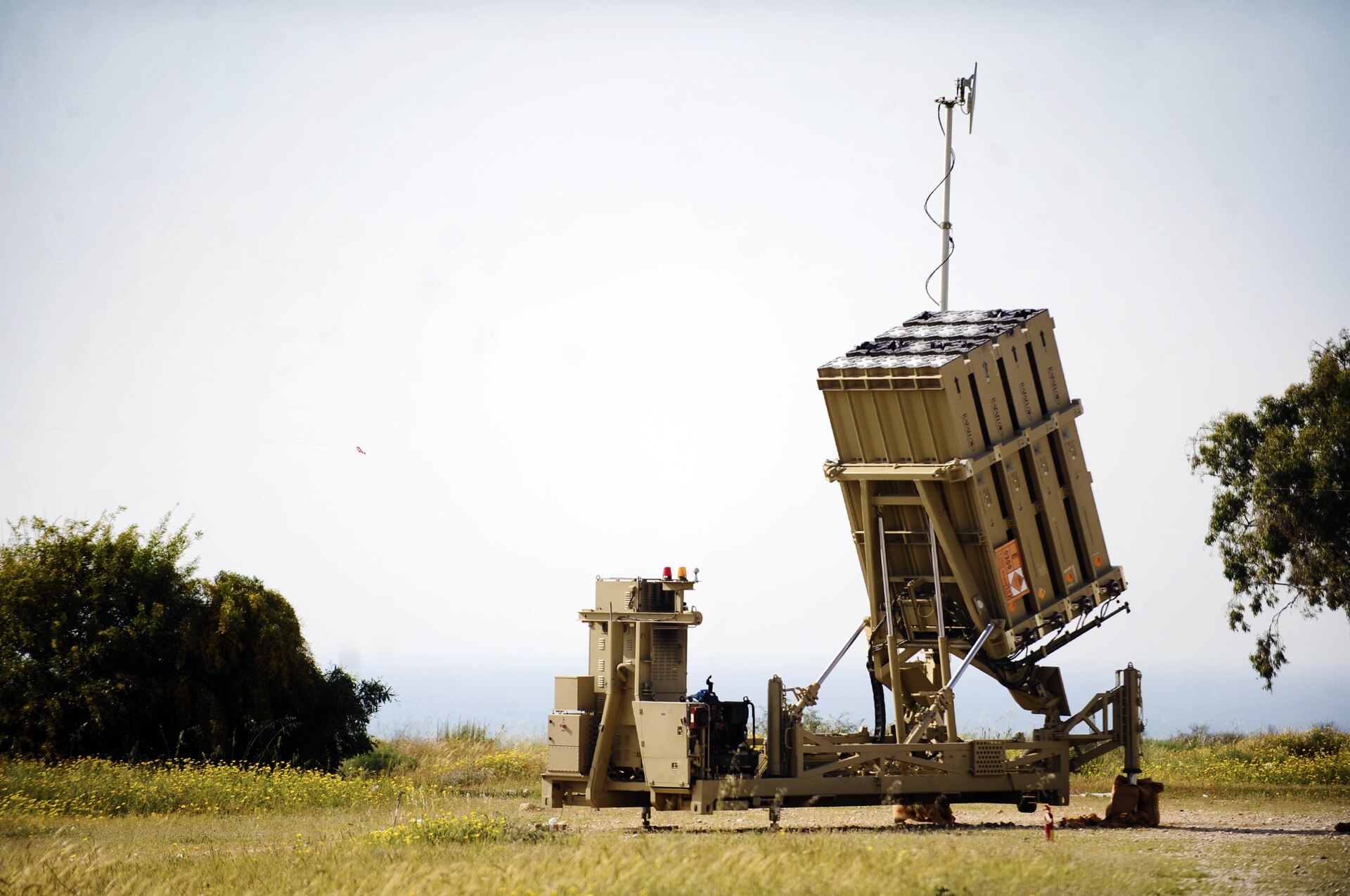
Ballistic missiles travel in a predictable arc, like a thrown ball, which makes them easier to shoot down than cruise missiles or drones that can change direction mid-flight. Israel used air defense systems called Arrow-3, Arrow-2, and THAAD (provided with U.S. support) to intercept the missiles.
If 86% of 180 missiles were intercepted, that means about 25 missiles got through the main defense layer. Israel's military said the systems "prevented damage," but that statement is vague. It could mean zero damage occurred, or it could mean damage was limited to areas where few people were.
The key point: Israeli air defenses, boosted by U.S., Jordanian, and other partners, worked roughly as expected. The systems held.
The Pattern: Escalate, Then Step Back
If you look at what happened in April and then again in October, you see the same cycle repeating. One side launches an attack. The other side shoots down most of it and launches a response. Then both sides back away and wait.
This kind of controlled exchange—where both sides show they have the capability to hit back, but neither wants the conflict to spiral completely out of control—has happened before in the Middle East. In the 1980s, Iran and Iraq conducted what was called the "tanker war," where they took turns attacking each other's ships in the Persian Gulf. Each strike was meant to send a message and impose a cost, but not destroy the other side.
The difference now is nuclear weapons. Iran has enriched uranium to 60% purity, which is a high level. And Israel has shown it's willing to strike near Iranian nuclear sites—though it has downplayed these attacks. That adds danger that the tanker war didn't have. If either side miscalculates near nuclear facilities, the consequences become much harder to control.
What Happens Next?
The conditions that led to these two operations are still in place. Iran hasn't disbanded the armed groups it supports, though Hamas and Hezbollah have been weakened. Israel still says it wants to prevent Iran from developing nuclear weapons. The United States remains the country that can most directly influence whether Israel attacks Iran directly.
The real question is what both sides conclude from the 86% intercept rate. If Israeli military planners think they can absorb future Iranian missile attacks because most will be shot down, they might be more willing to strike Iran's military or nuclear targets. If Iran thinks missiles alone can't force Israel to back down, they might consider other options—targets like Israel's leadership, military bases, or energy infrastructure—where damage would be harder to prevent.
Neither outcome is certain. But the diplomatic channels are thin and haven't produced lasting agreements. Back-channel talks between the U.S., Israel, and Iran happen in private, but neither side publicly acknowledges them. The UN Security Council keeps receiving letters about what happened, but those letters don't lead to binding decisions that constrain anyone.
The architects of this cycle have built what looks like a safety mechanism—the ability to intercept missiles, the mutual interest in not escalating past a certain point. But whether that mechanism is strong enough to hold the next time remains open. That's the question keeping analysts awake.