A U.S. Helicopter Crashed Near a Critical Waterway. Here's What We Know.
What Happened
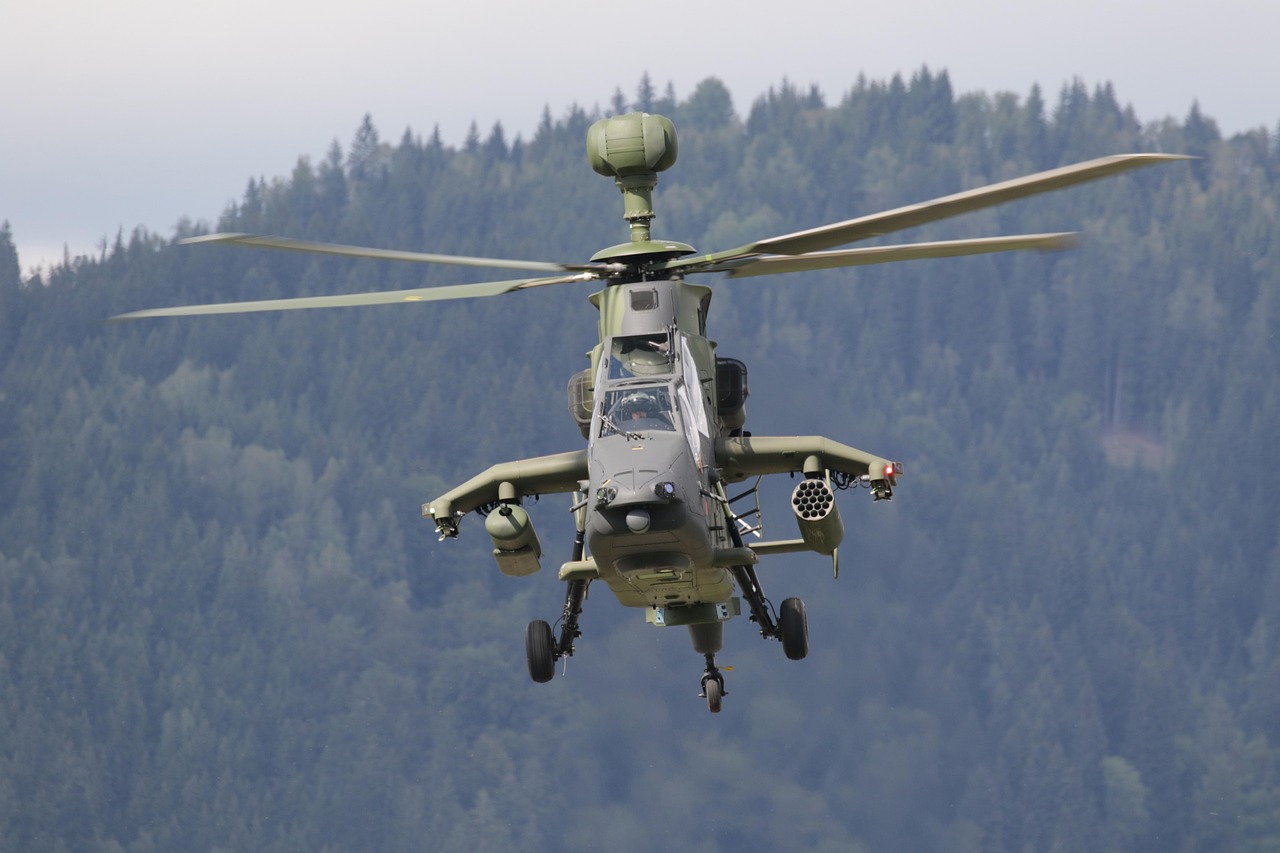
On Monday, June 8, 2026, a U.S. Army Apache helicopter went down near the Strait of Hormuz, a narrow waterway between Oman and Iran. Both pilots were safely rescued, according to Stars and Stripes and NBC News.
The cause of the crash is still unknown. The U.S. military has opened a formal investigation, i24 News reported.
Why does this matter? The Strait of Hormuz is only about 33 nautical miles wide, but roughly 20 percent of the world's oil passes through it. Think of it like a bottleneck — a lot depends on what happens there.
The Aircraft and the Rescue
An Apache is an attack helicopter — built to support ground forces and conduct surveillance. It has two engines and is a workhorse of the U.S. Army.
The fact that both pilots were rescued quickly, AP reported, suggests that rescue teams were ready and nearby. The U.S. military keeps many ships and aircraft in the Persian Gulf region, which allowed them to respond fast.
As for what caused the crash: it could have been mechanical failure, pilot error, bad weather, or something else. Until investigators complete their work, no one should say for certain. That remains the key open question.
Why This Crash Gets Special Attention
The Strait of Hormuz has been a tense spot in U.S.-Iran relations for decades. Right now, in mid-2026, that tension is even higher because of ongoing ceasefire talks involving Iran, Israel, and Hezbollah — a militia group backed by Iran. None of this proves the helicopter was shot down, but it explains why this incident immediately caught the attention of governments and analysts worldwide.
History shows us why this caution matters. In 1988, during another tense period in the same strait, the USS Vincennes accidentally shot down a civilian airplane, killing 290 people. That tragedy happened because tensions were running so high that everyone in the area was looking for threats — and when an ambiguous situation arose, it was interpreted as danger. The lesson learned was this: when a region is already on edge, people tend to jump to conclusions before facts are in. That's a bias worth fighting against, even now.
The broader context here is that the Strait of Hormuz has real operational pressures. Iranian forces run military exercises in the area. The threat of mines and armed drones targeting ships is a documented concern. U.S. military helicopters and jets fly regular patrols. In an environment like this, any unexplained incident draws scrutiny — not because foul play is likely, but because the region is already primed to see danger.
What Happens Next
The U.S. Army will investigate using two parallel processes: one to figure out what went wrong (for safety improvements), and another to determine if there was misconduct or hostile action. We don't yet know which process was started, or in what order.
The investigation will guide how this incident is officially explained. If the findings point to a mechanical problem or pilot error, the geopolitical temperature in the region will probably stay about where it is. If investigators find evidence of outside interference, that could shift tensions materially in an already pressurized theater.
For military analysts, there's a narrower technical detail worth noting: flying attack helicopters over open water presents challenges that differ from flying over land. Salt spray corrodes parts. Humidity causes wear. Navigation is different. Whether any of these factors played a role here is unknown, but they're standard things investigators will examine.
The Human Bottom Line
Both pilots came home alive. In a region where military incidents can quickly become symbols and flashpoints, that fact is the clearest and most important one we have right now. Whatever the investigation reveals about the aircraft, the outcome for the two people aboard is what matters most.


