How One Tiny Molecule Tells Plants When to Grow Up
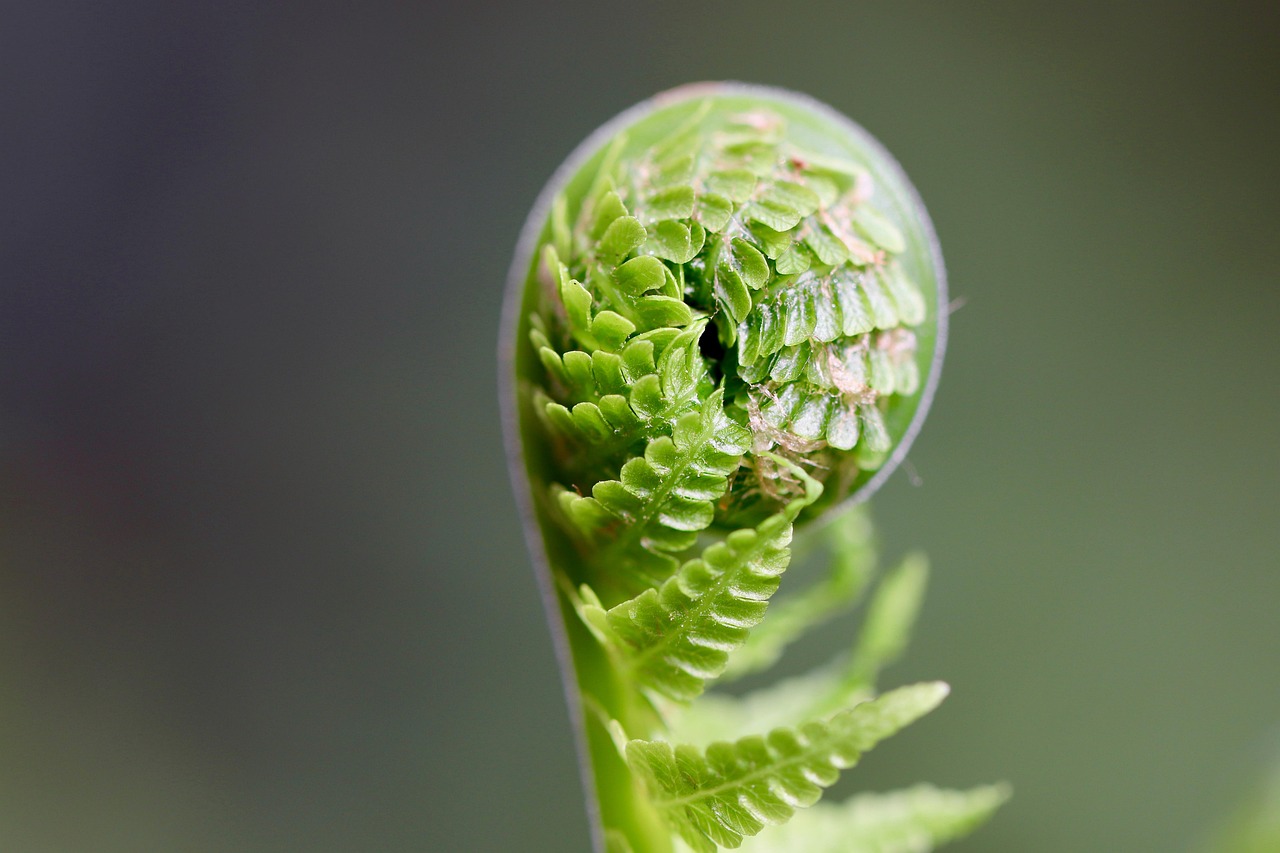
How One Tiny Molecule Tells Plants When to Grow Up
A single molecule inside plant cells acts like a switch that turns a young plant into an adult. A University of Pennsylvania biologist named Scott Poethig has spent three decades studying exactly how this switch works, and his findings reveal something important about how living things age and develop.
The molecule is called miR156. It is so small that you cannot see it without a powerful microscope, yet it controls whether a plant looks young and acts young, or matures into its adult form.
What This Molecule Actually Does
MicroRNAs — or miRNAs — are short snippets of genetic material, similar to DNA but made of RNA instead. They work like tiny managers inside cells, controlling which genes get turned on or off.
Think of genes as instruction manuals for building and running a cell. A microRNA reads a specific manual, finds the part that says "make this protein," and blocks it. That blocking is the key. By blocking certain instructions, miR156 keeps a plant in its juvenile state.
When a young plant is growing, miR156 levels are high. This high amount blocks proteins called SPL factors from doing their job. As long as SPL factors stay blocked, the plant stays young. It grows leaves that look different from adult leaves. It will not flower. It behaves, essentially, like a child.
But over time, something changes. The plant gradually makes less miR156. As miR156 levels drop, the SPL factors are no longer blocked. They can now do their job. The plant shifts into adult mode. Its leaves change shape. It becomes able to flower and make seeds. The plant has grown up.
Why the "Keeps Plants Young" Language Matters
It might sound like just a simple way to explain the science, but it is actually accurate. When scientists artificially keep miR156 levels high in plants they have genetically modified, the plants do not mature on schedule. They stay young-looking and young-acting. Turn off miR156 early, and plants grow up faster.
miR156 is not just hanging around while the plant ages. It is actively controlling whether the plant stays young or becomes adult. Change miR156, and you change the plant's developmental clock.
The broader context here is worth understanding. Most scientists who study aging in living things have found that aging is complex — it involves many different processes happening at the same time. Telomeres (the protective caps on chromosomes) shorten. DNA gets marked in different ways. Cells start producing less energy. Proteins pile up and misfunction. Finding one single thing that controls aging is usually very difficult because so many things are tangled together. Poethig's plant system is unusual in that regard. miR156 really does work like a master switch for the juvenile-to-adult transition. It is not the whole story of aging — plants still die even if you keep miR156 high — but it shows that one molecule can control a big developmental change in a complex living thing.
The Same System Works Across Many Plants
What makes this research particularly striking is that the miR156 switch works the same way across many different plant species — corn, rice, tomato, and many others. It is not unique to the laboratory plant Arabidopsis thaliana, which is what scientists usually study. The fact that this same system appears in so many different kinds of plants suggests it is solving an important timing problem that has mattered to plants for millions of years.
Nothing quite like the miR156 system exists in animals, including humans. But animals do use microRNAs for developmental timing. The most famous example is a microRNA called let-7 in a tiny worm called C. elegans. Let-7 works in the opposite direction — it increases over time to trigger maturation — but the idea is similar: a microRNA that changes in abundance over time telling the organism when to grow up.
The fact that plants and animals arrived at similar solutions — using microRNAs as developmental timers — even though they are not closely related evolutionarily, suggests this might be a fundamental way that biology keeps time. It is a pattern worth noticing.
What Scientists Want to Know Next
The immediate questions are technical. What actually causes miR156 to decline as a plant ages? Is it the way the plant reads the gene instructions, the way the RNA is processed, or something about how DNA is packaged in the cell? Is the decline completely internal, or do factors like sunlight, temperature, or soil nutrients feed into it?
From a practical angle, understanding this switch has real value for farming and plant breeding. Young and adult plants are different in ways that matter — disease resistance, ability to handle stress, and when they flower and produce seeds all differ between juvenile and adult forms. If scientists and farmers can control when a plant matures, they might be able to breed crops that are more productive or hardier.
The long view is worth considering. Some of the most important discoveries in biology have come not from flashy, headline-grabbing experiments but from scientists who focused on one question for decades. Poethig has been studying how plants time their development for thirty-plus years. That kind of sustained attention rarely makes news, but it often becomes the foundation that other scientists build on for years to come. His work on miR156 already goes back to at least 2013, and he is still investigating new angles.
The core finding is now solid: a single microRNA, high early in life and dropping over time, directs whether a plant stays young or becomes adult. That is an important piece of the puzzle for anyone thinking about how life times its major transitions and how aging begins.


