A French Fighter Shot Down a Russian Drone Over Latvia. Here's Why That Matters.
What Happened
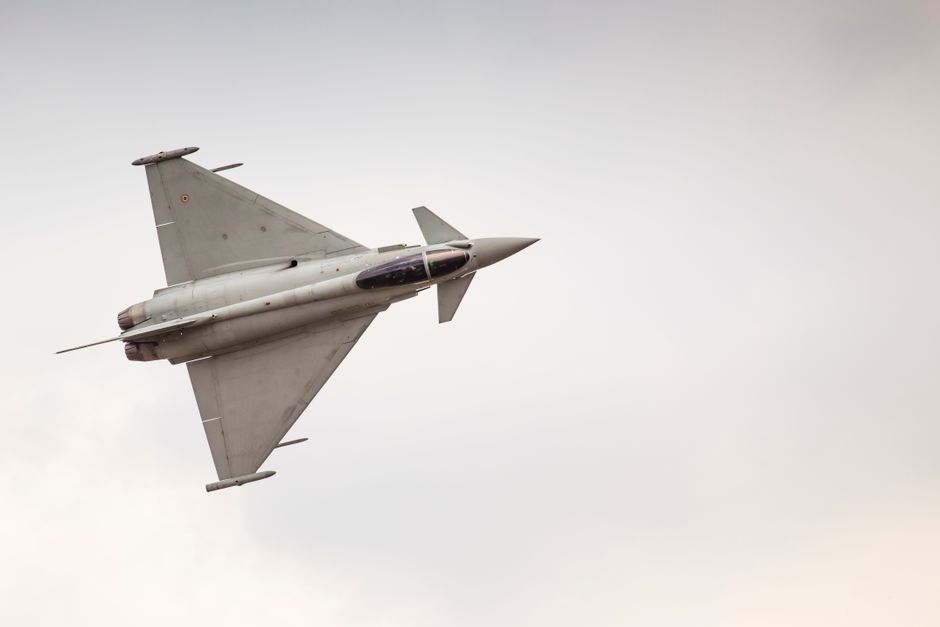
On June 8, 2026, a French military fighter jet shot down a drone that had crossed into Latvia from Russian territory. This was the first time a NATO country has directly attacked an object coming from Russia during the ongoing war in Ukraine. Reuters reported that Latvia's military detected the intrusion.
This wasn't just a routine incident. It signals that NATO — the military alliance of North America and Europe — is now directly confronting Russian objects in the skies over its own member countries. That's a significant step.
Why Drones Keep Crossing Borders
Russia has been launching massive numbers of missiles and drones at Ukrainian cities. On June 7, 2026, the leaders of France, the United Kingdom, and Germany jointly confirmed that Russia is using advanced hypersonic missiles in these attacks. When a country fires this many weapons, some inevitably miss their targets or get damaged in flight — and when they're aimed at Ukraine, which sits right next to NATO member countries, they sometimes cross into NATO territory.
Two things are happening regularly now on NATO's eastern border:
First, Ukrainian drones targeting Russian infrastructure occasionally drift into the airspace of Latvia, Lithuania, Estonia, and Finland. According to reporting by AP, Ukraine says this happens because Russia uses electronic warfare — basically jamming GPS signals — to throw Ukrainian drones off course. This explanation is technically reasonable, as Reuters has reported, but no one has fully verified it in every case.
Second, Russian-origin drones have actually entered NATO territory. In late May 2026, a drone crashed into an apartment building in Romania, injuring two people, according to both Al Jazeera and Reuters. This was a weapon hitting a civilian home inside a NATO country — something that drew strong criticism from multiple NATO members.
The Diplomatic Crisis Building
Western officials have been growing increasingly direct in their accusations. The UK's Foreign Secretary, Yvette Cooper, publicly said Russia was violating NATO's airspace and warned that this behavior risks armed confrontation, according to Ukraine's foreign intelligence service.
Russia has responded aggressively. In May 2026, Russia's ambassador to the United Nations warned that if Latvia allowed Ukraine to launch drones from its territory, Russia would retaliate against Riga, per Reuters. Russia claims Baltic states are helping Ukraine and frames any Russian response as justified self-defense.
Here's why this matters legally: NATO has a rule called Article 5, which says if one NATO member is attacked, all members must treat it as an attack on themselves. But the treaty never clearly defined what counts as an "attack" or how much of a response is required. A drone of unknown origin crashing into an apartment building tests those unclear rules in ways that Cold War planners never considered.
A Narrow Margin for Error
The pattern of incidents — a drone in Romania in late May, drones skirting Baltic airspace, the French intercept on June 8, and Russian threats — means there's less room for mistakes. Each incident by itself might be manageable. But they're adding up. Countries on Russia's border — Romania, Latvia, Lithuania, Estonia, Poland, and Finland — are no longer watching this war from a distance. They're now sitting in the middle of an air-defense environment where the line between the war zone and NATO territory is blurring in practice, even if the legal line is still clear on paper.
The real worry for NATO leaders in Brussels, Warsaw, Riga, and Bucharest is this: more incidents will happen. The war's pace guarantees it. The question that keeps them up at night is whether each new incident pushes closer to a point where NATO members feel forced to respond with military action under Article 5, rather than just protesting diplomatically. And if that happens, how far could things escalate?


