Romania Is Now Shooting Down Russian Drones — Here's What's Going On

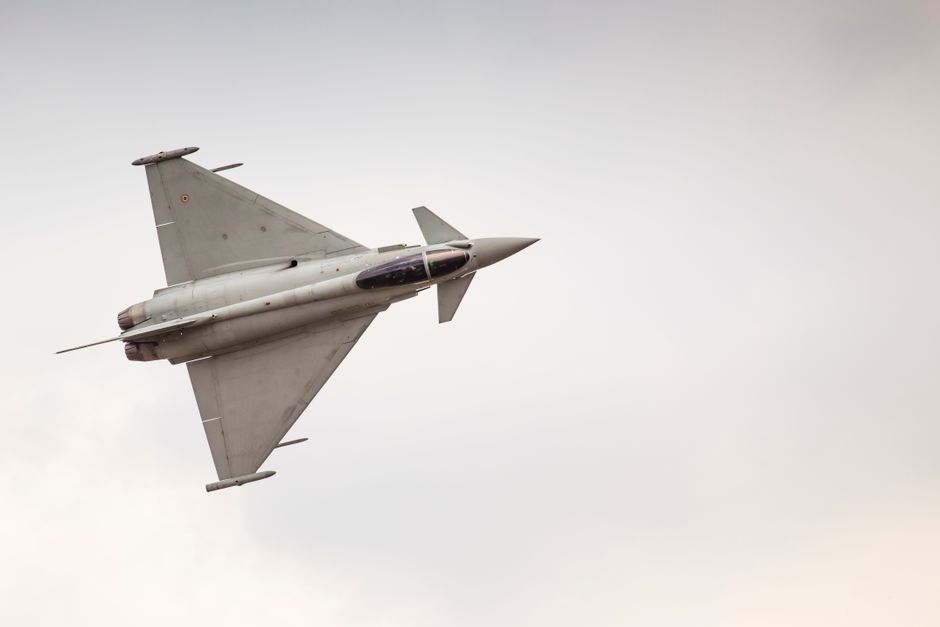
A Romanian fighter jet shot down a Russian drone over the Black Sea on Sunday, July 26, 2026. It was the third day in a row Romania had shot down a drone that entered its airspace without permission. Romania also called in Russia's ambassador that same day to complain about what Foreign Minister Oana Toiu called "repeated violations" of Romanian airspace (Al Jazeera).
This started on Friday, July 24, when a Romanian pilot shot down a drone that had crossed into the country's airspace. President Nicusor Dan said it was the first time Romania had ever done this (Reuters. Investigators identified that drone as a Shahed model — the same kind Russia uses heavily in its war against Ukraine. A second drone was shot down on Saturday, July 25, over a sparsely populated area (Reuters. The third, on Sunday, was taken down by an F-16 jet over the Black Sea at 10:13 AM, according to the Romanian Ministry of National Defence (Romanian Ministry of National Defence).
President Dan called the repeated breaches "intolerable" (Reuters. A senior NATO military spokesperson, US Army Colonel Martin O'Donnell, used almost the same words on social media, calling the violations "unacceptable and intolerable." When a country and a NATO official use the same language, it usually means they have agreed on their message ahead of time.
This was not the first time Romania had called in Russia's ambassador over drones. Romania did the same thing on April 25 after a drone violated its airspace, and again on May 29 after a Russian drone crashed on its territory. In late May, France separately summoned Russia's ambassador to demand an explanation after a drone hit a residential building in the Romanian city of Galati, injuring two people. That was the first time a drone struck a populated area in a NATO country (Reuters. In June, a maritime drone exploded in Romania's Constanta port.
The pattern has gotten more serious over time: first drones crashed on Romanian soil, then one hit a building and hurt people, then a port was hit, and now Romania is shooting them down with fighter jets three days in a row. In June, Romania's government also had to address public reports that its personnel were getting a so-called "drone bonus" (spor de dronă) — a sign that people in Romania were noticing how often these incidents happen and asking questions about the costs.
The broader context here is about why this matters beyond Romania itself. Romania is a member of NATO, a military alliance of countries that have agreed to defend each other. NATO's key rule, called Article 5, says that an attack on one member is treated as an attack on all of them. Romania sits on the Black Sea and shares a 650-kilometre border with Ukraine. Russian drones aimed at Ukrainian targets near the Danube River, especially around the city of Odesa, have kept flying into Romanian airspace by accident or on purpose. Until July 24, Romania's response was limited to spotting the drones, tracking them, and filing diplomatic complaints. Shooting them down three days in a row sets a new standard.
Nobody knows yet whether Russia will change its drone flight paths or tactics as a result. Calling in the ambassador is a standard diplomatic step, but it has not changed Russian behavior in previous cases in April or May. The open question is whether Romania shooting down drones with fighter jets will make Russia change course, or whether the violations will keep happening and NATO will need to think about what to do next.
For now, the shift is clear. Romania is actively defending its airspace with military force, and diplomatic complaints have become routine rather than effective.