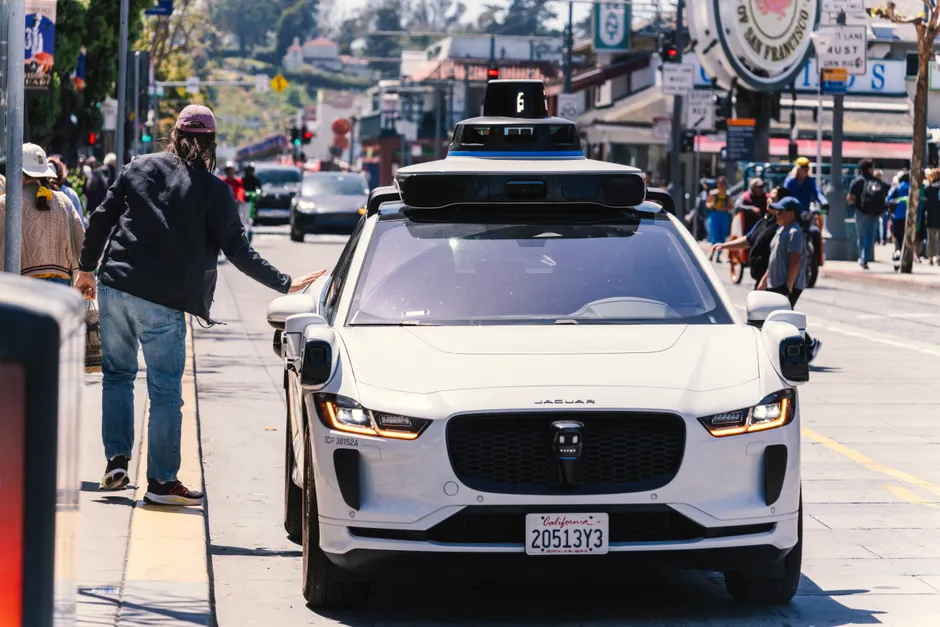
Waymo's Driverless Ojai Vans Are Now Open to Everyone in Three Cities

Waymo announced on August 19, 2026, that any rider can now hail its Ojai driverless vans across Los Angeles, Phoenix, and San Francisco. The Google-owned brand shared the news in a post on X, opening up a vehicle that had been limited to select pickups since early 2024 to all riders in the three cities where it already operates (Engadget).
The Ojai is a van built from scratch to drive itself, rather than a regular car fitted with self-driving technology. Waymo highlighted its roomier interior and backseat entertainment features, describing it as a more comfortable ride than the retrofitted Jaguar I-Pace vehicles that make up most of its fleet. The vans can carry up to four riders in any seat except the driver's seat, which sits empty (Waymo FAQ). When Waymo first started Ojai pickups in May 2026, it offered free rides to a small group while collecting data on how the vehicle performed and how passengers felt about the experience (Waymo Blog).
The Ojai expansion comes alongside new regulatory approval for broader reach. Days before the announcement, Waymo was granted permission to bring driverless cars to roads in Sacramento and San Diego (Engadget). On August 14, the company won approval for a large expansion of its driverless service across Los Angeles and Bay Area regions (LA Times). Waymo currently operates a fully driverless, publicly available ride service in Phoenix, San Francisco, Los Angeles, Miami, and other markets (Waymo). Interestingly, the service is not yet available in Ojai, California, the city that gives the vehicle its name.
Waymo's experience with freeways shows how the technology is still being refined. The company introduced freeway rides in select cities in November, suspended highway service in May after some of its vehicles drove into closed construction zones, and restored freeway access in July (Engadget). The construction-zone incident and the recall that followed show that unusual driving situations remain a real challenge even as the service grows.
Waymo's safety data covers more than 220 million driverless miles through the end of March 2026. The Waymo system was involved in 94% fewer crashes causing serious or fatal injuries, 82% fewer crashes where airbags deployed, and 82% fewer crashes with any reported injury compared to human drivers in the same areas over the same period. For pedestrians, cyclists, and motorcyclists specifically, Waymo recorded 93% fewer injury crashes involving pedestrians, 84% fewer involving cyclists, and 84% fewer involving motorcyclists than the human benchmark (Waymo Blog). Over the lifetime of its operations, the company estimates 47 fewer crashes causing serious or fatal injuries than would have been expected had those miles been driven by humans.
Since its last safety analysis, Waymo has combined its San Francisco Bay Area service area into one zone and expanded into more complex settings including airport service. The company now drives more than 4 million miles every week. In Atlanta, across more than 5.4 million driverless miles, the Waymo system was involved in 94% fewer airbag-deployment crashes and 86% fewer injury-involving crashes than the human benchmark (Waymo Blog).
The safety figures are self-reported, based on Waymo's own methods and human-driver data the company chose for comparison. That is standard practice in this industry, but anyone reading the claims should keep the source in mind. The numbers line up in a general sense with independent crash data from NHTSA, the federal auto safety agency, though the exact percentages depend heavily on which areas and time periods are being compared.
The broader context here is about pace. Waymo is simultaneously opening a new vehicle to all riders, expanding into two more California cities plus denser coverage where it already operates, and doing so with a safety record built on a mileage base no competitor comes close to. The freeway suspension and restoration fit a pattern we have seen before in self-driving deployment: find a problem, pull back, fix it, and resume. The difference now is that the fleet logs over 4 million miles a week, which means problems are found and solved faster than ever.
For anyone following this space, the Ojai rollout is less about the van itself and more about what it means for the business. A vehicle designed from the ground up for ride-hailing gives Waymo full control over how the passenger experience works. Opening it to everyone rather than a hand-picked group means the data coming back reflects real demand, not a controlled test. That shift from a limited trial to open availability is the step that turns a technology demo into an actual product.