What Happened in the Russian Missile Attack on Kyiv

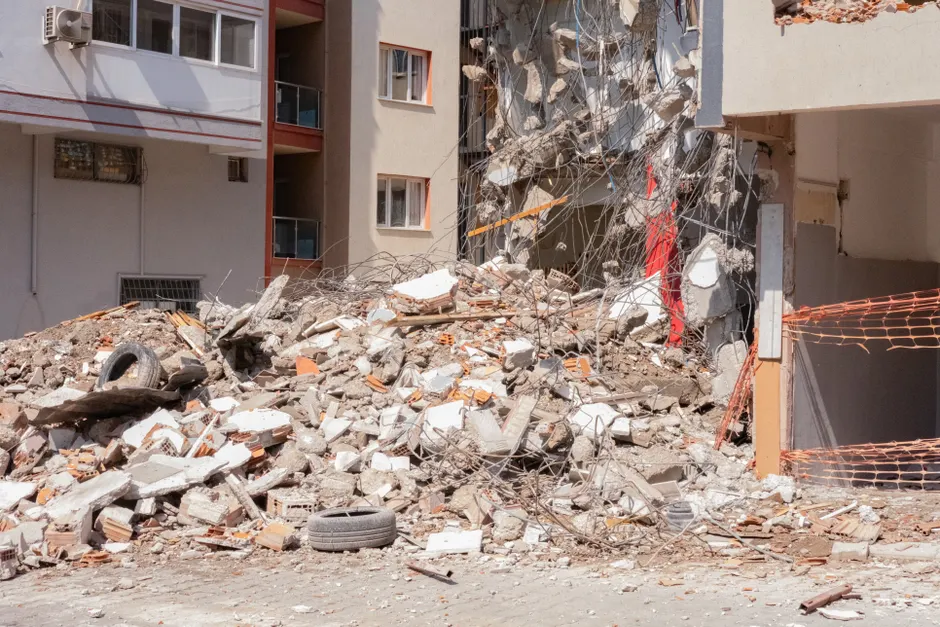
A Russian missile strike on Kyiv on August 20, 2026, killed at least 13 people and wounded dozens more, according to reporting from the scene CNN. The attack also damaged a children's hospital, as reported by Kyiv's city mayor KVIACNN. The strike took advantage of Ukraine's shortage of air defense weapons, a problem that has gotten worse as the war has dragged on Yahoo News.
The reported death toll changed through the morning. Early accounts said five people were killed, then twelve, before reporting settled on at least thirteen confirmed dead. Dozens were wounded CNN. The targeting of city buildings, including a children's hospital, follows a pattern Russia has used throughout the war: launching many missiles at once to overwhelm Ukraine's defenses and wear down both civilian morale and the supply networks that keep Ukraine fighting.
Air defense is the part that matters most for understanding this attack. Think of Ukraine's air defense like an umbrella with several layers. Some layers use missiles to shoot down incoming threats. Others use technology to confuse or block enemy weapons. When any layer gets thin, the whole umbrella shrinks, leaving gaps. Russian forces have learned to time their big strikes for moments when Ukraine's supply of defensive missiles is running low, forcing Kyiv to make hard choices about what to protect. The August 20 strike appears to be another case of this approach Yahoo News.
The broader context here is a war that has turned into a battle of endurance, where each side tries to outlast the other. Ukraine's Western allies, including the United States and European nations, have sent air defense systems like Patriot and NASAMS. But the supply of missiles for those systems has not kept up with how fast Ukraine uses them. Each Russian attack that gets partly through Ukraine's defenses shows Russia the tactic works and puts pressure on Kyiv's government to find faster solutions, even though the basic shortage of missiles continues.
For anyone following this conflict, the August 20 attack is not an isolated event but part of a growing trend. The civilian deaths, the damage to infrastructure, and the way Russia deliberately targeted a gap in Ukraine's defenses all point to a strategy designed around Ukraine's supply problems. The damage to the children's hospital, if it turns out to be a direct hit rather than an accident of nearby explosions, will likely be examined by international monitors who investigate whether strikes on civilian sites break the rules of war.
What no one can answer yet is whether Ukraine will get enough air defense missiles in time to close the gap before Russia finds more weaknesses to exploit. That answer will decide whether August 20 was a terrible but limited episode, or the start of a deeper decline in Kyiv's ability to protect its cities.