Missiles Rain on Kyiv Again: What's Happening and Why It Matters
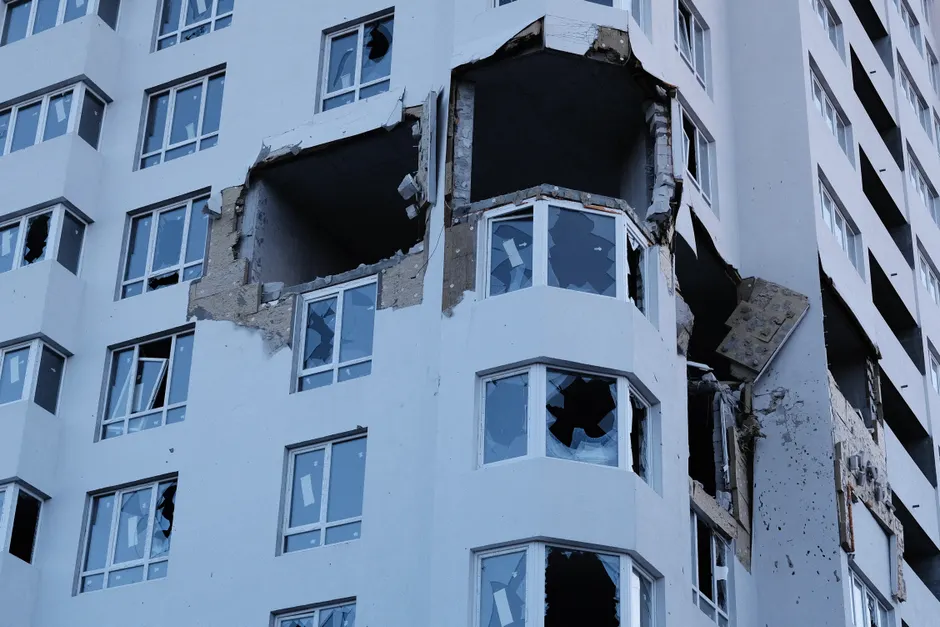
Russia attacked Kyiv with missiles and drones in the early hours of August 5, 2026, killing one woman and wounding at least 12 others across the capital and its surrounding region, according to Ukrainian authorities (BBC).
Explosions were reported shortly after midnight as waves of missiles struck Kyiv and its outskirts, with air raid alerts lasting more than an hour (Kyiv Independent). The head of Kyiv's military administration, Serhiy Popko, said Russia launched several types of missiles at the capital and its suburbs, according to the Kyiv City Military Administration (Qirim News).
Ballistic missiles are weapons that fly high into the sky and then come down at very high speeds toward their target. They are extremely fast and hard to stop. Cruise missiles, which were also reportedly used, fly lower and can follow the shape of the ground, making them harder to spot on radar.
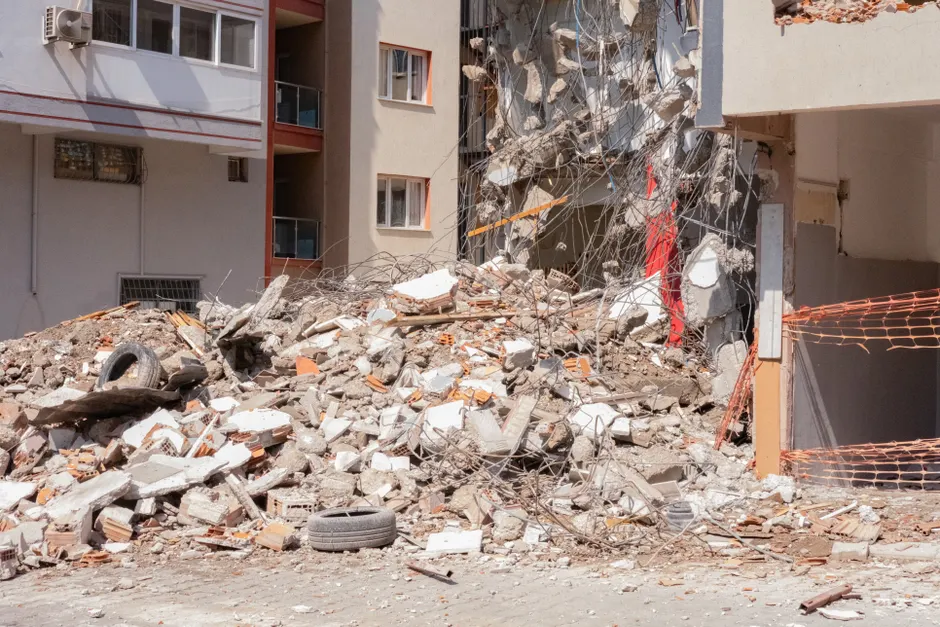
The attack damaged critical infrastructure and caused numerous hits on residential buildings, according to an official Kyiv City Military Administration statement (Kyiv City Military Administration). Timur Tkachenko, head of Kyiv's military administration, said the enemy was "once again massively attacking the Kyiv region" and had hit residential buildings and warehouses (BBC). Kyiv Mayor Vitali Klitschko said there were fears people could be trapped under rubble after strikes on the centre of the city.
Tkachenko said the consequences of the attack were being recorded in the Bucha, Brovary, and Fastiv districts of the Kyiv region. The Kyiv military administration reported one woman killed and at least 12 other people wounded in the attacks.
The August 5 strike fits a pattern of intensifying Russian attacks on Kyiv in recent weeks. In late July 2026, Russia launched 35 missiles at Kyiv and the surrounding region in a heavy attack, killing 10 people (Reuters). On July 19, Russia hit Kyiv overnight with one of its largest missile barrages of the war, killing at least one person (Reuters). Earlier in July, Russian strikes killed 28 people in the Kyiv area, exposing Ukraine's shortages in air defence (Reuters). Russian missiles struck at least two districts in Kyiv on July 16, triggering fires and killing residents (Reuters). On August 1, a Russian missile attack damaged an apartment building in Kyiv, and a separate strike in the Solomianskyi district partially destroyed a five-storey apartment block, killing two and wounding eight (Reuters).
The escalation is not one-directional. Ukraine has increased its attacks on Russian civilian infrastructure, including power facilities, and has repeatedly targeted depots of the Russian online shopping company Wildberries. Five people were killed and 10 wounded in the Moscow region on the morning of August 5 in the most recent strikes on Wildberries warehouses. The day before, Russian officials said seven people were killed and 58 injured in a drone attack on a beach in the southern Krasnodar region (BBC).
The back-and-forth strikes on civilian areas have sent a grim diplomatic signal. Ukraine expressed outrage over a video showing a man chased by a drone in Kherson, calling it a deliberate "hunt" and "safari" targeting civilians. Both sides have denied deliberately targeting civilians.
The broader context here is one of escalating aerial warfare on parallel tracks. Russia is using multiple types of missiles in the same attack, including some made in North Korea alongside its own domestically produced weapons. By sending different kinds of missiles that fly at different speeds and heights, Russia is trying to overwhelm Ukraine's air defences, which are running low on the ammunition needed to shoot incoming missiles down. Each missile type requires a different approach to detect and intercept, making the defender's job harder.
Ukraine has urged allies for more US-made Patriot missile interceptors to defend against Russian attacks. The Patriot system is the main Western air-defence tool that can shoot down ballistic missiles, and Kyiv's repeated requests point to a gap between the number of incoming Russian missiles and the supply of interceptors available to stop them.
The reciprocal strikes on civilian infrastructure, Wildberries warehouses, and populated coastal areas mark a phase of the conflict in which both sides appear to be testing how far they can push and whether outside powers will step in to restrain either party. The denial of deliberate civilian targeting from both Moscow and Kyiv stands in tension with the observable pattern of strikes on residential buildings, beaches, and commercial logistics hubs.
Looking at what this means for the weeks ahead, the August 5 attack on Kyiv, coming after a July in which the capital absorbed multiple mass-casualty missile strikes, suggests that Russia's pace of attacks is not cyclical but sustained. Combined with Ukraine's deepening strikes on Russian territory, the conflict's aerial dimension is intensifying even as the ground front lines remain largely static.