Self-Driving Taxis Are Coming to Las Vegas — Here's What's Happening

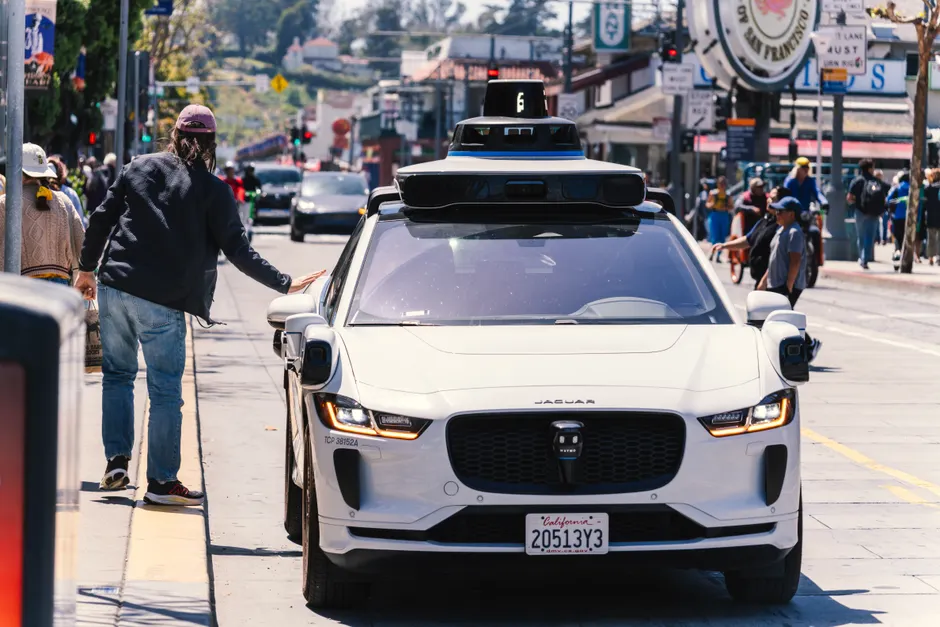
On August 20, 2026, Nevada regulators gave three companies permission to start running self-driving taxi services in the Las Vegas area. The companies are Tesla, Uber, and Waymo (which is owned by Google's parent company, Alphabet). Together, the permits allow up to 8,000 self-driving vehicles on the roads over the next year.
Tesla got the biggest share — up to 5,000 vehicles. Waymo was cleared for up to 1,000. Uber's permit also allows up to 1,000, but Uber won't build the cars itself. Instead, it will partner with two other companies, Motional (owned by Hyundai) and Zoox, to operate them. Zoox already has its own separate Nevada permit for 100 vehicles.
Just a few weeks earlier, Nevada had taken a much more cautious approach with Tesla. On July 27, 2026, regulators gave Tesla a permit for only 10 self-driving vehicles in Las Vegas, capped their speed at 45 mph, and did not allow them at the airport. That earlier limit came after Tesla had asked for 5,000 vehicles and regulators responded with the much smaller 10-vehicle cap. The new permit restores the 5,000-vehicle ceiling Tesla originally wanted.
Tesla's Cybercab chief engineer Eric Early, speaking at the regulatory meeting, said 5,000 was always meant to be a maximum, not a target. He estimated Tesla would actually deploy around 2,500 vehicles, or a bit higher, in the first year.
The agency that approved these permits is the Nevada Transportation Authority, or NTA — not the Nevada DMV. The NTA handles special permits for companies that want to run self-driving taxis as a business. The Nevada DMV does not issue different licenses based on how autonomous a car is.
Uber's approach to the Las Vegas market is worth noting. The company has pushed for a hybrid system, where self-driving taxis would have to operate on a ride-hailing app that also employs regular human drivers. Think of it like a food delivery app that uses both drones and bicyclists — the drones can't operate on their own separate app; they have to go through the same platform as the human couriers. If that rule were adopted, it would give Uber a permanent middleman role, since companies like Tesla and Waymo would have to offer their rides through Uber's app rather than directly to customers. The current permits do not appear to require this, but Uber's lobbying could influence future rules.
Waymo's approval in Nevada follows a plan first reported by Reuters in November 2025. The news agency said Waymo planned to expand its self-driving taxi service to Las Vegas, San Diego, and Detroit in 2026, after working with local officials and emergency responders in Las Vegas to get the needed permits.
Local taxi companies and the Livery Operators Association, a group representing traditional ride and livery services, opposed the permits, saying the approvals move too far and too fast. The NTA's unanimous vote overrode those objections.
The 8,000-vehicle total sounds large, but the actual number of cars on the road will likely be much lower. Tesla's own engineer expects about half of its 5,000 limit. Waymo's 1,000-vehicle allotment fits the slow, city-by-city approach the company has used elsewhere. Uber's 1,000 vehicles, split between two partners, is also modest for a first year. These permits set a maximum, not a guarantee.
The pace of change here is striking. Going from a 10-vehicle, speed-limited, airport-excluded test program to a 5,000-vehicle commercial authorization in less than a month is fast by any measure for self-driving car regulators. The NTA's decision to grant permits at this scale to three companies at the same time, over the objections of existing taxi operators, shows a shift from careful testing to serious commercial rollout. Whether that pace holds up, or whether an accident or other problem causes regulators to pull back, is the key question for the next year.
For Clark County, which includes Las Vegas, the approval means three major self-driving car companies can now start commercial service in one of the most visited tourist destinations in the United States. If all three companies used their full permit allowances, it would be the largest self-driving taxi fleet in any single place in the country. The actual number of vehicles on Las Vegas roads over the next year will almost certainly be smaller than the permits allow. But the upper limit has been set.