Tornadoes and Flooding Hit the Northeast: A Simple Breakdown
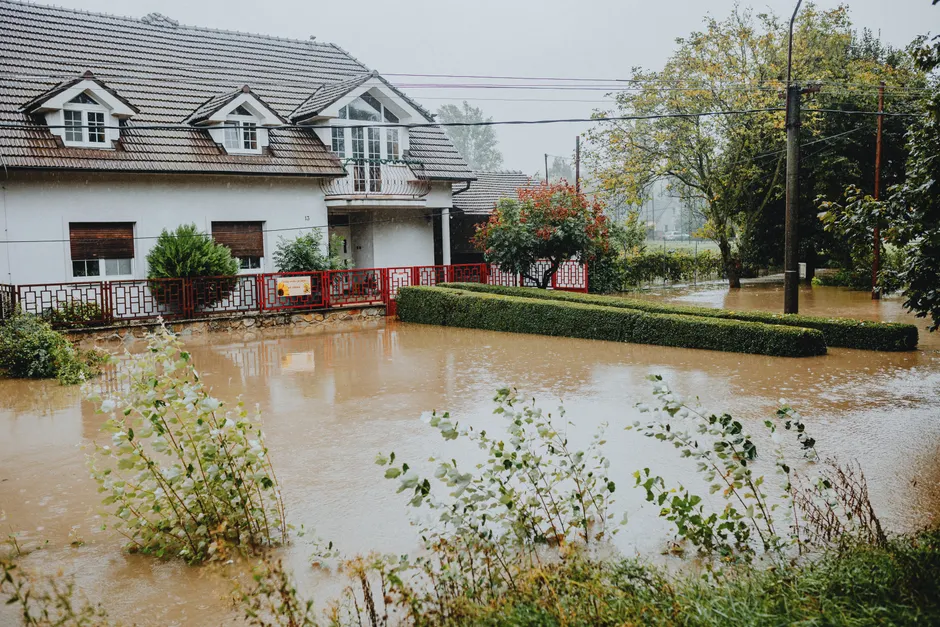
Tornadoes touched down in Dover, Delaware and on Long Island, New York on August 21, 2026. Sudden storms brought heavy rain and dangerous flooding across the Northeast, from the Mid-Atlantic region through the New York City area. The National Weather Service — the government agency that tracks weather and issues warnings — confirmed a tornado at Atlantic Beach on Long Island. A trained weather spotter also reported a tornado in Dover during Thursday evening's storms.
A tornado is a spinning column of air that reaches from a thunderstorm down to the ground. Flash flooding happens when heavy rain falls so fast that water rises quickly, often before people can get out of the way.
On Long Island, the tornado hit the Sun & Surf Beach Club in Atlantic Beach, where 200 to 300 people had gathered for a party. Fire officials said club members had started leaving before the tornado struck, which probably kept more people from getting hurt. One person had a minor injury. The damage to buildings was worse: Nassau County Chief Fire Marshal Michael Uttaro said at least 50 beach cabanas — small, open-sided shelters — were badly damaged.
Nassau County Executive Bruce Blakeman declared a state of emergency, which gives local officials extra power to direct resources and keep people safe. First responders rescued motorists trapped in their vehicles by floodwater across the county. The Sun & Surf and Silver Point beach clubs both closed until further notice while workers assessed the damage.
In Dover, the capital of Delaware, videos posted online showed a motel with its roof torn off and damaged buildings along Route 13, northeast of downtown. Mayor Robin Christiansen declared a state of emergency but lifted it Friday morning so residents and businesses could return to normal.
The flooding went far beyond the tornado zones. Part of the Long Island Expressway in Queens closed in both directions, according to New York City Emergency Management. In Jersey City, New Jersey, emergency crews rescued 69 people from vehicles swallowed by floodwater, Mayor James Solomon confirmed. Tornadoes were also reported in Queens as the storm moved through, tying up traffic across the New York City area.
The National Weather Service's New York office officially confirmed the Atlantic Beach tornado on August 21, 2026. The larger storm system continued to dump rain across the Mid-Atlantic corridor.
The broader context here matters. Tornadoes in Delaware and on coastal Long Island are fairly rare compared with places like the Great Plains or the Gulf Coast, where they happen more often. Having tornadoes touch down across several states at the same time, on top of widespread flooding, makes it much harder for emergency teams to respond. The Jersey City rescues alone involved nearly 70 people, showing how fast city drainage systems can be overwhelmed when a huge amount of rain falls on flat, low-lying ground near the coast.
Nassau County's decision to declare a state of emergency points to how heavy a burden the storm placed on local roads, services, and public safety. Beach clubs built for summer fun were no match for a direct tornado hit, and the wrecked cabanas raise a real question: should seasonal buildings along the coast be built stronger in a place where people usually worry more about hurricanes and winter storms than tornadoes?
Dover lifted its state of emergency quickly, suggesting the damage was serious but contained. Whether insurance paperwork and repairs move that fast is a different story for the motel owners and businesses along Route 13, and for the Atlantic Beach clubs that remain closed.