A Drone Company Tried to Sell Its Product as a Camera. The FCC Said No.

HoverAir stopped taking US orders for its new Versa gadget just three days after launching it on Indiegogo, a crowdfunding site. The problem: the FCC, the US agency that regulates wireless devices, banned foreign-made drones, and the Versa is essentially a drone. The Verge
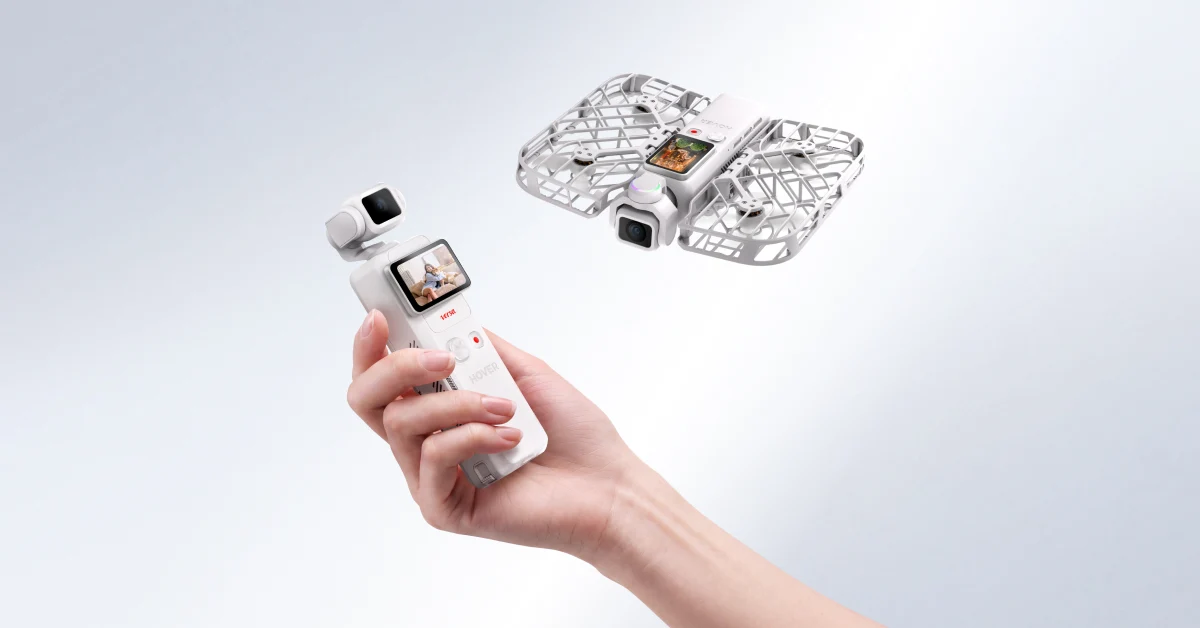
The Versa is a two-part product. It is a camera on its own, but you can buy a separate "Flight Kit" that snaps onto it and turns it into a flying drone. Zero Zero Robotics, the Chinese company that makes HoverAir products, got FCC approval on August 9th, but only for the camera part, not for a drone. The FCC's online database no longer lists the Versa at all, which suggests the approval has been taken away.
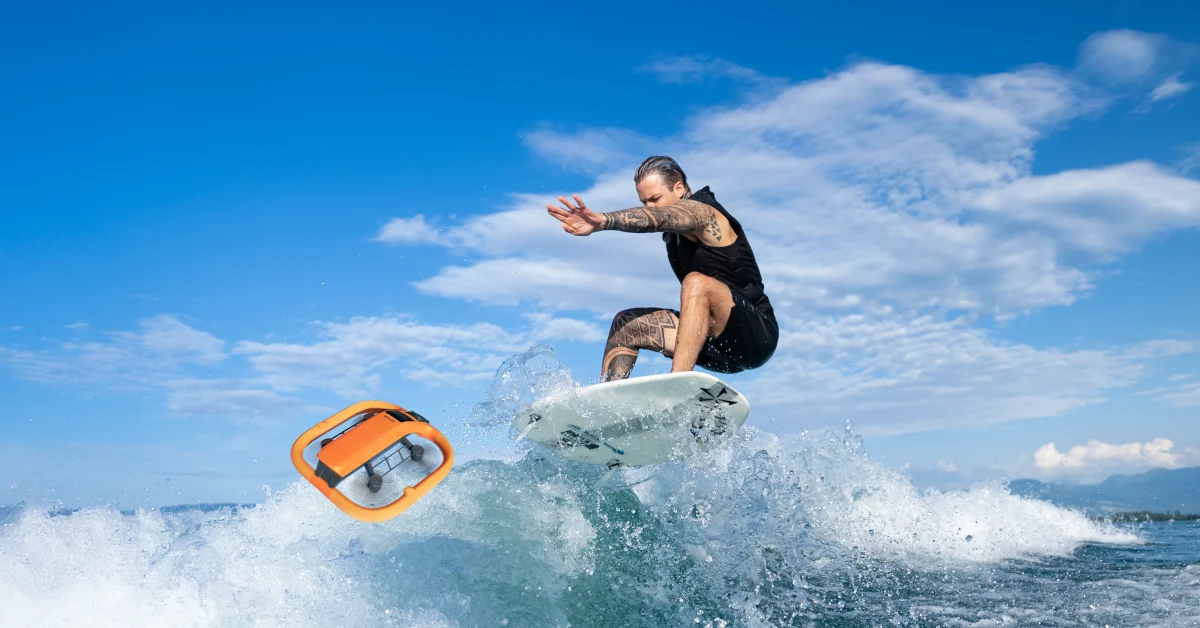
Since December 2025, the FCC has kept what it calls a "Covered List," a registry of companies and products it considers a national security risk. The list blocks all new foreign-made drones from getting the government approval they need to be sold in the US. This rule has already hurt HoverAir once: last December, the company failed to get approval for a waterproof drone called the HoverAir Aqua. Rather than telling backers about the failure, HoverAir spent months saying the product would ship soon. The Verge
HoverAir argued to the FCC that the Versa camera should be allowed because the company is not on the Covered List for cameras. But the FCC's rules say all companies are automatically on the list when it comes to drones and drone parts, and the agency specifically defines cameras as a drone part. If the camera approval is ultimately rejected, both the camera and the Flight Kit would become illegal to import or sell in the United States. The Verge
Right now, HoverAir is shipping only the camera portion to US customers and holding back the Flight Kit, saying there are "a few remaining logistics updates" to sort out. The Indiegogo page no longer lets people in the US select the Flight Kit as an option. Customers in Canada can still see and order combo packages that include the Flight Kit. Meanwhile, one US customer who already ordered the camera says their order page shows it cannot ship to their address. The Verge
The rules around foreign drones have gotten much stricter in August 2026. The FCC has not made any exceptions for consumer products and has started pulling approvals for several drones in recent weeks, according to PCMag. PCMag New tariffs on drones have hit 100%, and DJI, the biggest drone maker, won what DroneXL called its biggest legal victory in years on August 21. DroneXL The ban covers all foreign-made drones, including DJI's newest products that use wireless communication. Digital Camera World
Before the order halt, the Versa had passed its $230,000 funding goal on Indiegogo. HotHardware Earlier reporting on August 20 had suggested the two-part design might have found a way around the FCC's restrictions. HotHardware
Neither HoverAir nor the FCC is saying what happens next. HoverAir did not respond to The Verge's request for comment, including whether it would commit to faster refunds. An FCC spokesperson declined to comment. The Verge
The broader context here matters for any company trying to design around government rules. Splitting the Versa into a camera sold separately from the flight parts was a reasonable attempt to find a gap between two sets of FCC rules. The agency's response, pulling the approval and pointing to its definition of cameras as drone parts, suggests the FCC cares more about what a product does than what shape it takes. Companies building products that fall under the Covered List will need to account for that.
The earlier Aqua incident also raises a concern worth flagging. When HoverAir failed to get government approval for that product, its response was to delay telling backers rather than inform them promptly. People who have already paid for the Versa camera, some of whom are seeing their orders marked as unable to ship, may reasonably wonder whether they are getting the full picture in time.