A Camera That Can Also Fly: Reviewing the HoverAir Versa
A Camera That Can Also Fly: Reviewing the HoverAir Versa
Engadget has given the HoverAir Versa a score of 8 out of 10. The review was published November 10, 2026, under the headline "Convenience and creativity with compromises." The device costs $539. Engadget
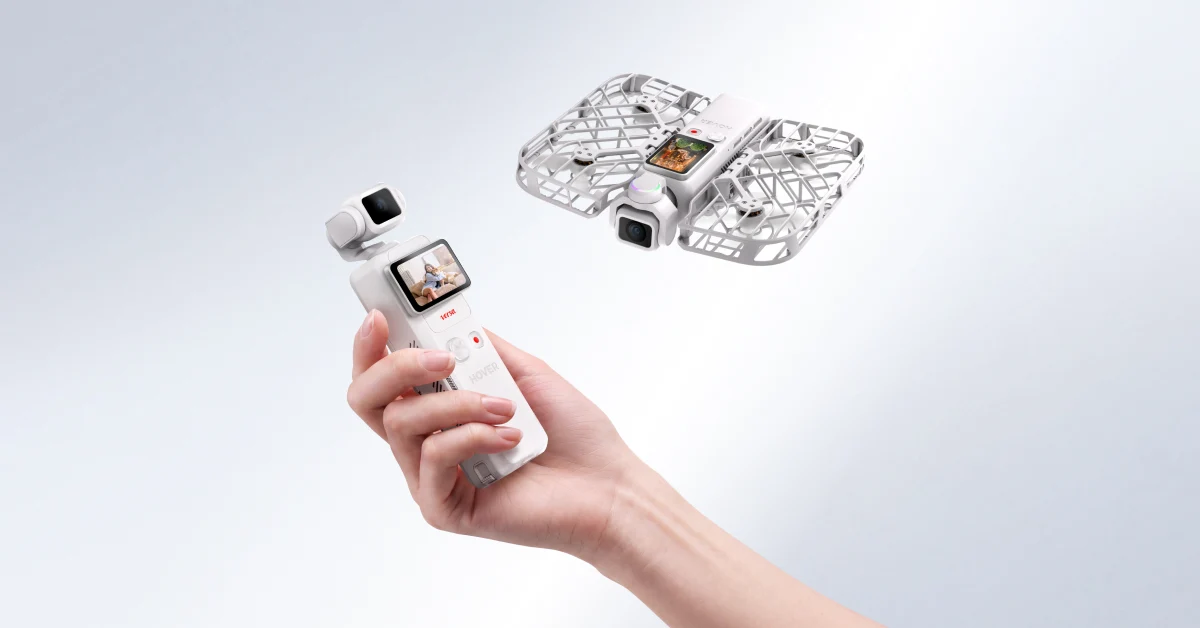
The Versa is a handheld camera that turns into a small drone. A magnetic accessory makes the change. Engadget
As a handheld camera, it has a 3-axis gimbal. A gimbal is a motorized mount that keeps the camera steady while you move, a bit like carrying a full cup of coffee on a tray without spilling it. The camera has a 1.64-inch screen. Engadget
Its sensor is 1/1.3-inch. The sensor is the part that catches light, and a larger one usually captures more detail. The camera films up to 4K at 60 frames per second. It offers 2x zoom and takes 12-megapixel photos. Engadget
HoverAir claims a dynamic range of 17.5 stops. Dynamic range is the gap between the darkest and brightest parts of a scene a camera can keep. The camera includes a 10-bit HDR mode. HoverAir says H-Log support is planned for a future update, so it is not available yet. H-Log is a flat color profile that editors use when adjusting footage later. Internal storage offers 55GB of free space, and you can add an SD card. Engadget
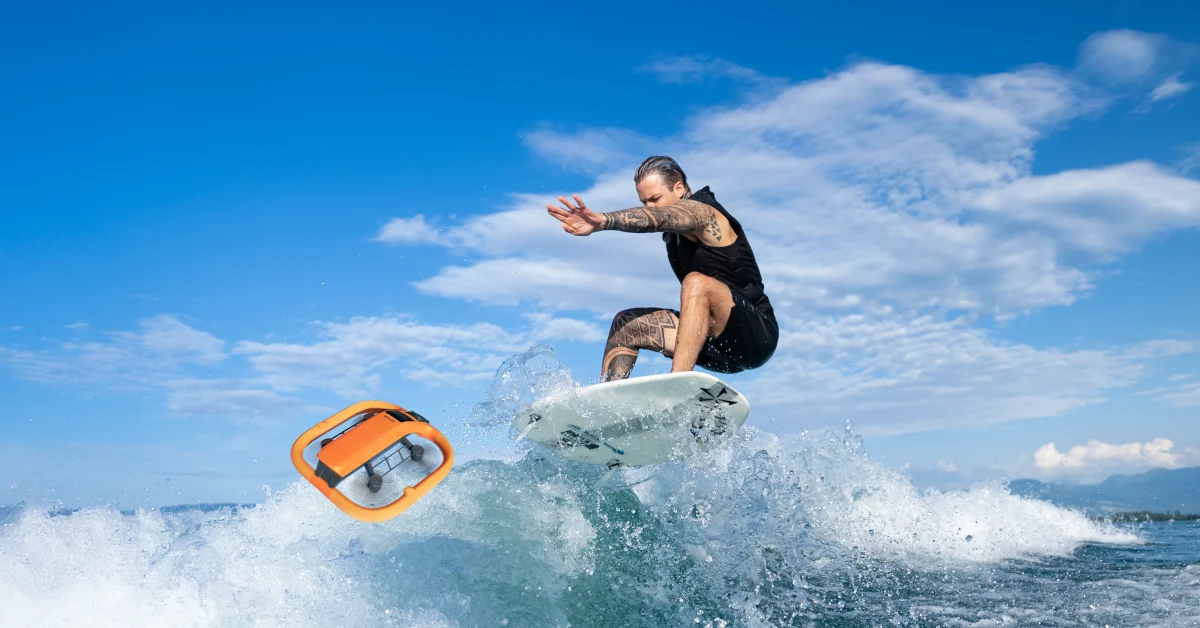
In drone mode, the Versa runs on swappable batteries. Sensors on the underside help it hold its position, and it can take off and land from your palm. It has no obstacle avoidance, which means it cannot detect walls, trees, or people and steer around them. That matters for any flight near those things. Engadget
HoverAir describes three control modes. Auto Follow tracks a subject. Assisted Control helps with framing. Manual Mode gives you direct command. The company says its aircraft combine mechanical and electronic stabilization, and that they are built from magnesium alloy and aerospace-grade materials. Its accessories, Beacon and JoySticks, are presented as tools for tracking and control. HoverAir also says its PowerCase can charge at temperatures as low as -20°C (-4°F). HoverAir
Engadget reported that US availability is unclear because of an FCC certification issue. Buyers in the US should check the status of that filing before expecting a unit to ship.
HoverAir markets the Versa as a "2-in-1 Handheld & Self-Flying Camera," meant for both handheld shots and aerial footage from one kit.
In my view, the trade-offs are the real story. A camera that flies is only useful when you can fly it safely without obstacle sensing, and the Versa's downward sensors leave that judgment to the person holding the controls. The 17.5-stop claim and the planned H-Log support will matter most to people who color-grade their footage. Both depend on how the HDR system performs in everyday use.
The broader context here is a product category that sits somewhere between action camera, gimbal, and small drone, with few products covering all three. Engadget's 8 out of 10 suggests the Versa works well within those limits. For people who want one kit for both ground-level and aerial shots, that is a real convenience. Whether the US certification issue is resolved, and when H-Log arrives, will determine how far its creative appeal reaches.