Trump's Name Off the Kennedy Center: One Battle in a Much Bigger Court Fight
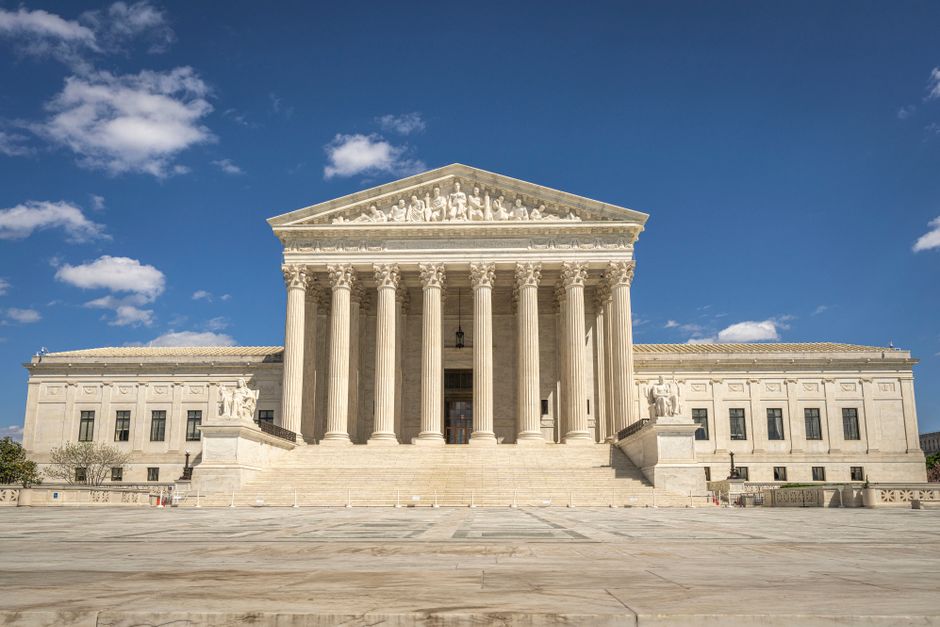
Trump's Name Off the Kennedy Center: One Battle in a Much Bigger Court Fight
A federal judge has ordered President Trump's name removed from the Kennedy Center. Trump tried to pause this decision while his lawyers appeal it, but the judge said no — the removal stays in place.
This Kennedy Center ruling is just one piece of a larger pattern. Courts across the country have been blocking or slowing down Trump administration actions at a steady pace since he took office in 2025. It is not uniform — the administration has won some battles — but the overall tally shows courts pushing back frequently.
Courts Are Overwhelmed With Urgent Requests
Courts usually hear cases the normal way: lawyers file papers, judge reads them over time, case gets a hearing, decision comes later. But in the past year, that has changed. Both the Trump administration and the people suing it keep filing emergency motions — basically saying "we need a decision right now, not in six months."
The Supreme Court approved one of these emergency requests in late 2025. The administration wanted to block a court order that would have forced the government to fully fund food aid programs. The Supreme Court said yes — a big win for Trump's team. But then, just weeks later in December 2025, an appeals court rejected the administration's request to block an order releasing millions of dollars for education and mental health grants. A loss.
The pattern is mixed, which means both sides are still fighting hard.
The IEEPA Case Could Change Everything
One case sitting in the Supreme Court right now has the potential to reshape how much power any president can use. It is called Learning Resources, Inc. v. Trump (case number 24-1287).
The case is about the International Emergency Economic Powers Act — known as IEEPA. This is a law from 1977 that gives the president broad power to control trade, freeze assets, and block exports when there is a national emergency. For decades, presidents have used it, and courts have mostly let them.
But now a federal court is asking a basic question: how much power does IEEPA actually give the president? Where are the limits? If the Supreme Court says the law gives presidents less power than everyone thought, it will affect tariffs, sanctions, and trade rules.
For business lawyers, trade experts, and national security officials, this case matters more than anything else pending right now. For everyone else, the key point is this: the Supreme Court's answer will either expand or shrink what a president can do without asking Congress first.
The Presidential Immunity Case Shapes Everything Behind the Scenes
There is another Supreme Court case — Trump v. United States — that asks whether a president can be criminally prosecuted for actions taken while in office. The Court has not yet ruled on it.
This case does not directly decide the Kennedy Center dispute or the IEEPA question. But it does set the overall boundaries. If the Court decides presidents have broad immunity, then presidents can act more boldly, knowing they face fewer legal consequences. If the Court narrows immunity, the opposite happens.
The broader context here is that all these court fights are happening inside a larger constitutional moment. What courts decide about immunity, delegated power, and executive authority will shape what any future president — not just Trump — can attempt.
Why This Pattern of Court Battles Matters
What is unfolding reflects a fundamental shift in how government power gets challenged. The Trump administration has used executive authority aggressively across many areas at once — tariffs, immigration rules, funding decisions, staffing. Opponents have responded by filing lawsuits in multiple courts, all designed to freeze actions temporarily while the longer legal argument plays out. Courts have been inconsistent in how they respond.
For people working in federal jobs or dealing with labor law, the Trump v. AFGE case (about whether the administration can remove union protections) is the immediate concern. For business and trade, the IEEPA case is the one that will reshape policy for years. The Kennedy Center decision, while it has received attention, involves a narrower question — whether the president can name a building — not the big structural questions about how much power presidents hold.
The judge's decision keeps the removal order in place. The next step is an appeal. Given how fast both sides have been moving through courts, a final ruling may not be far off.


