A Judge Stopped Trump's Name From Staying on the Kennedy Center. Here's Why It Matters.

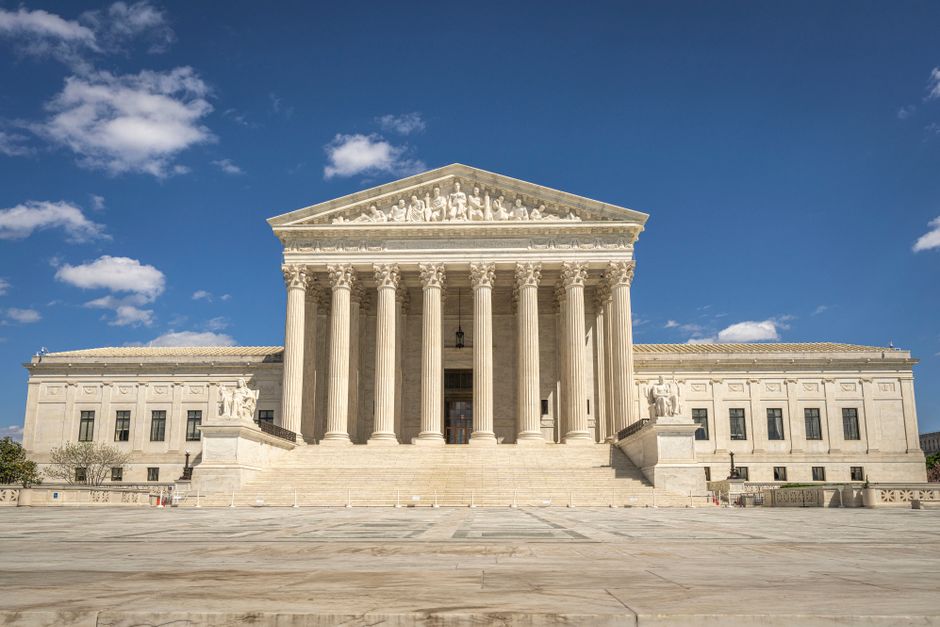
Workers removed Donald Trump's name from the marble outside the Kennedy Center for the Performing Arts on June 12, 2026. A federal judge had just ruled that adding his name was illegal, according to CBS News.
Judge Christopher Cooper's order was direct: the renaming broke the law, and the name had to come down. The Kennedy Center was created by Congress in 1964 as a memorial to President John F. Kennedy. Federal law says that any official change to the building's name requires a vote by Congress — not a decision made by the president alone. That legal requirement appears to be the main reason Cooper ruled against the administration.
The removal happened quickly. By the time workers had taken off the lettering from the building's face, news of the court ruling had spread, and the Kennedy Center looked the way it had before the name was added. AP News reported that a federal judge had ordered the removal.
This case raises a fundamental question about how government works: Can the president change something that Congress created on his own, without getting Congress to agree? Judge Cooper said no. The law was clear enough that the judge's decision was straightforward. The text of the original statute — the law Congress passed to create the Kennedy Center — did most of the legal work for the court.
What this reveals about Washington is worth understanding. The Kennedy Center is not a regular government agency where the president has more freedom to act. It is a congressionally chartered memorial — a special category with built-in legal protections against presidents trying to change it by themselves. From the start, adding Trump's name had weaker legal ground to stand on than other executive decisions, like hiring or firing cabinet members or changing regulations. In those areas, presidents have much broader power.
The administration may appeal the ruling, which would send the case to the D.C. Circuit Court of Appeals. That court has extensive experience with exactly these kinds of disputes about what Congress can require versus what a president can do alone. Historically, when the law is written clearly, that court has not sided with presidents trying to act unilaterally against what Congress established.
For the Kennedy Center, the ruling restores the name and identity it has carried for six decades. But Cooper's order does not address something else the administration tried to do: it also moved to reshape the Kennedy Center's board and change its programming. Those changes are still in place and may face separate legal challenges later on different grounds.