Why Iran Is Threatening to Block a Key Oil Route — and What It Means for You

On August 24, 2026, a former top Iranian military commander named Mohsen Rezaee warned that "not a single drop of oil will be exported" through the Strait of Hormuz or the Persian Gulf if the United States keeps up its economic pressure on Iran. He posted the warning on X the same day the US Treasury Secretary Bessent was set to announce new sanctions — penalties meant to cut off Iran economically — against Iran. Reuters
Iran's state news agency IRNA reported on August 18 that the Strait of Hormuz will not reopen until the US blockade and oil sanctions on Iran stop. An Iranian vice president had said back in April 2026 that "the security of the Strait of Hormuz is not free of charge" — meaning that if the US blocks Iran from selling oil, Iran can make it hard for anyone else to ship oil through that waterway. IRNA
The United States has promised what officials called an "economic D-Day" against Iran over its oil exports. President Donald Trump has also threatened sanctions on countries that trade with Iran in August 2026, widening the pressure beyond just Iran itself. Reuters
This latest escalation comes after a brief pause in June 2026, when the US and Iran signed an initial deal to end their war and ease sanctions. That deal temporarily lifted — but did not permanently remove — sanctions Trump had placed on Iran's oil, so Iran could sell crude again. By August, the deal had fallen apart. OPEC, the group of oil-producing countries that manages global supply, had to cut oil output in August 2026 because the drop in Iranian oil, caused by renewed US sanctions, threw off their plans to raise production. AP News; Reuters
The June deal came after months of turmoil. A widening conflict in Iran earlier in 2026 had stopped oil tankers, put refineries in danger, and scared investors worried about the ripple effects of rising oil prices. Iran's supreme leader vowed in April to protect the country's nuclear and missile capabilities, drawing a line that Iran would not cross even as diplomatic talks stayed open. AP News; AP News
Diplomatic efforts have come and gone. Iran said in June that lifting oil sanctions was discussed during talks in Switzerland. Oil prices fell more than 5% to a three-week low on August 4 after reports of progress in US-Iran talks, but then prices rose again when those talks did not produce a lasting deal. Iran's president called for a diplomatic solution to the dispute in late August 2026. IRNA; Reuters
Trump has also threatened Oman, a small country on the Arabian Peninsula, even as Iran said it was working with Oman on a plan to manage shipping through the Strait of Hormuz. Pressuring Oman suggests the US may be expanding its sanctions to include countries that help move Iranian oil. At the same time, Iran approved tankers carrying Iraqi oil through the strait in August 2026, suggesting Tehran is picking and choosing which ships can pass even as it threatens to close the waterway entirely. AP News; Reuters
Iranian state media has highlighted reports from UK media saying that Iran still holds strategic leverage despite US pressure and that Trump faces a policy deadlock. Separately, Iran has signaled it is ready to return to the international oil market, a position it has held since at least early 2021. IRNA
The broader context here is a cycle that has now repeated twice in 2026: things escalate, a temporary deal is reached, pressure eases briefly, and then the squeeze returns. The June deal suspended sanctions without removing them for good, which left Iran's oil trade on shaky ground. Any single decision by the US could — and did — turn the sanctions back on. The latest round of Treasury sanctions, along with threats to other countries that trade with Iran, tightens the pressure even more.
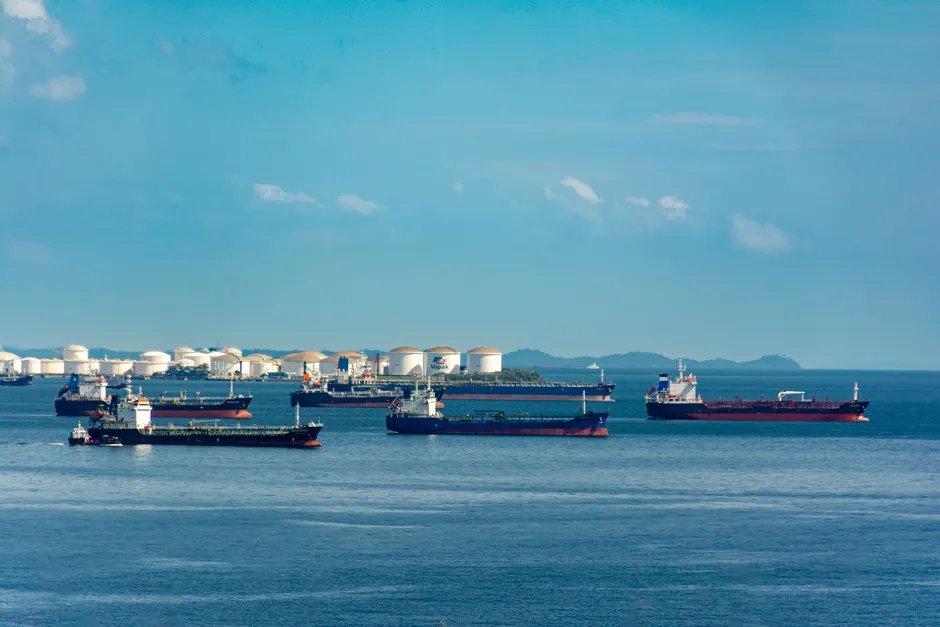
Why does the Strait of Hormuz matter so much? Think of it as a narrow highway that roughly a fifth of all oil shipped by sea must pass through. If that highway shuts down, the supply of oil to much of the world drops, and prices jump. Iran has threatened to close the strait before. What makes this moment different is that several problems are happening at once: the US is actively escalating sanctions, OPEC is already struggling with lost Iranian oil, and diplomatic talks have produced no lasting agreement. In early August, oil prices dropped 5% when people heard talks were going well, then reversed course when those talks went nowhere. That swing shows how closely the oil market is watching every political move.
What is still unclear is whether Iran's threat to close Hormuz is a real plan or a negotiating tactic. The fact that Iran let Iraqi oil tankers through suggests it is being selective, not shutting everything down. But Rezaee's language — "not a single drop" — is as tough as it gets, and IRNA's August 18 report that the strait will stay closed until sanctions end matches that hardline stance. The gap between Iran's willingness to talk, its president's call for a diplomatic solution, and the military's aggressive rhetoric sends its own message: Tehran is keeping both conflict and negotiation alive at the same time, using each as leverage.