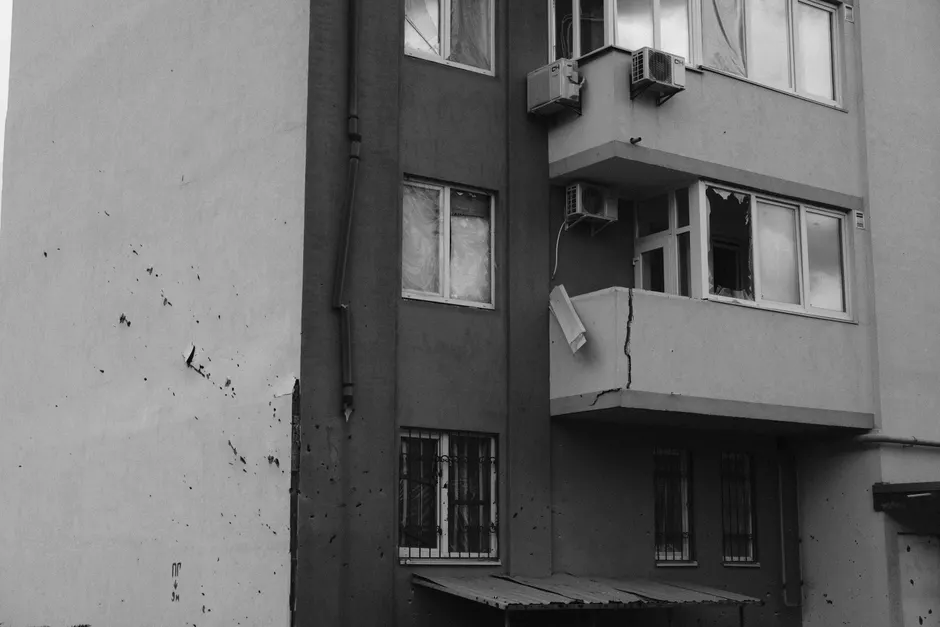
Nearly 1,000 Deaths Since Gaza's Ceasefire Began. What That Actually Means.

In June 2026, Palestinian health officials reported that 983 Palestinians have been killed and 3,122 injured by Israeli attacks since Gaza's ceasefire was declared. This number raises a fundamental question: what is the ceasefire actually supposed to prevent, and who is making sure it happens?
The deaths have been occurring throughout the entire period since the ceasefire began. Between January 14 and 28, 2026 alone, 43 people were killed and 110 injured. By early April, the UN Office of the High Commissioner for Human Rights reported that at least 32 Palestinians were killed by Israeli forces during a specific period, with airstrikes, gunfire, and shelling continuing every day. Three people were killed in western Khan Younis during strikes in that same timeframe, according to local health officials.
What a Ceasefire Actually Is — and Isn't
A ceasefire is not a peace deal. Think of it as a pause in fighting: both sides agree to stop active combat for a set period of time or under specific conditions. But in Gaza, the two sides disagree on what the ceasefire allows. Israel says it has the right to carry out what it calls counterterrorism operations — military actions against specific targets. Palestinian and humanitarian groups count every death from these operations as a ceasefire violation. This disagreement over what counts — how we define what is allowed — is not a side issue. It is the reason the number 983 exists.
The UN human rights office provides independent documentation of what is happening. When it reports that 32 people were killed by Israeli forces while "airstrikes, gunfire, and shelling persist daily," it is not taking sides. It is using legal standards called international humanitarian law to record what happened. The fact that nearly 1,000 people have now been killed since the ceasefire began suggests that either Israeli military operations are continuing at a steady pace, or the definition of what the ceasefire allows is very broad — or both.
What the Continued Strikes Tell Us
The three people killed in western Khan Younis in April were not an isolated incident. Khan Younis has been one of the most heavily bombed areas of the conflict, and many residents fled to other areas to escape repeated military operations there. The fact that strikes are still happening in that area after the ceasefire was announced shows that the pattern of targeting has not changed.
Palestinian health officials are the main source of casualty numbers in Gaza. They gather data through hospitals and emergency response teams, and international agencies including the United Nations use their figures as the most reliable count available — partly because there is no independent monitoring system on the ground. Israeli officials have sometimes questioned how these numbers are collected, but the Palestinian health data remains the standard reference for international reporting.
In conflicts like this one — especially when the two sides are unequal in power and the territory itself is disputed — there is almost always a gap between what a ceasefire agreement says and what actually happens on the ground. Gaza's situation is worse because the blockade has damaged hospitals and medical supplies. This means the ratio of wounded to killed — roughly 3 people wounded for every 1 killed — is probably too low. When hospitals cannot get electricity or supplies, some injured people who might otherwise survive do not make it.
Right now, Gaza does not have independent monitors checking whether the ceasefire is being followed, no agreed-upon way to punish violations, and no plan for what comes next politically. That means the numbers will keep rising as long as operations continue, and the disagreement about what the ceasefire means will remain unsolved.