Can Mauritania Bring Back Tourism After Years of Attacks?
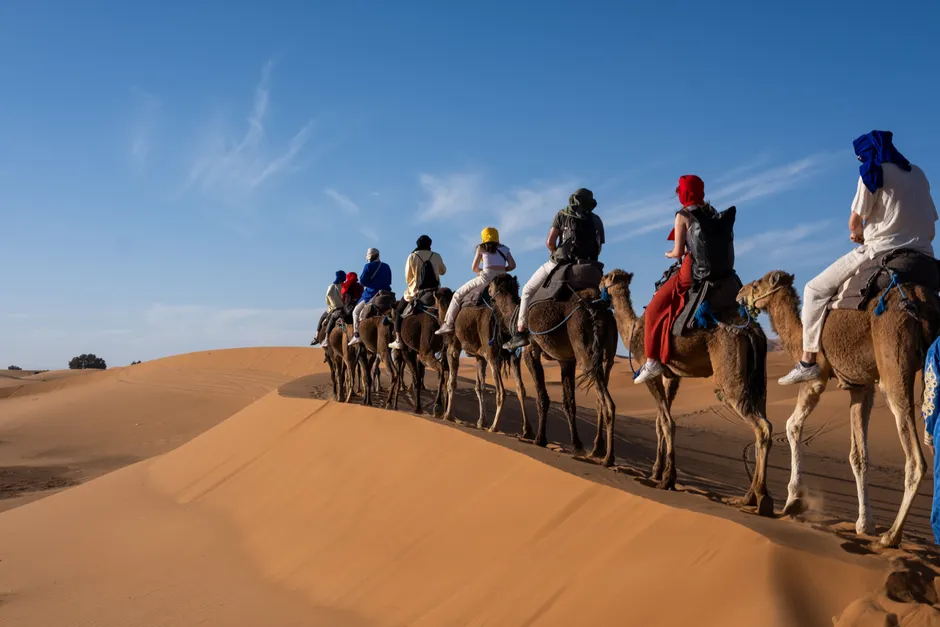
Mauritania is trying to rebuild its tourism industry after jihadist violence nearly destroyed it in the 2000s. For over a decade now, the country has been relatively peaceful—a major achievement in a region where insurgencies and conflict dominate most nations. The government wants to use that stability as its main selling point: come see the Sahara Desert and historic trade routes in one of the few safe places in the region. But the peace is fragile, and threats lurk on the borders.
A jihadist group called JNIM—linked to al-Qaeda—is expanding across neighboring Mali, Burkina Faso, and Niger, according to Reuters. The group is pushing eastward toward Mauritania, using the desert for cover and movement. Mauritania shares a long, difficult-to-patrol border with Mali, and that border is now a serious security concern.
Mali's Crisis Spills Over
Mali's troubles make things worse. In recent years, Mali expelled French troops and hired Russian military contractors—the Wagner Group, now called Africa Corps—to fight jihadists. But this hasn't worked. JNIM has actually grown stronger during the Russian presence. Meanwhile, people fleeing Mali have moved into Mauritania looking for safety. They say they won't go home until the Russians leave Mali, but there's no sign of that happening soon. This means Mauritania now has thousands of refugees it must support.
Mauritania's leaders have another reason to worry about Mali. The failure of Russian operations there suggests that jihadist pressure on Mauritania's borders will likely continue.
There's also an interesting historical detail. Reuters reported in 2016 that al-Qaeda had drawn up plans for a possible peace agreement with Mauritania. Whether some kind of informal truce has kept Mauritania safer than other Sahel countries is unclear, but it's worth asking.
The Economic Pressure
Mauritania needs tourism to work for its economy. The country recently held elections where voters ranked the economy and security as their top concerns. A thriving tourism sector would help on both fronts: it would bring in foreign money and signal that the country is safe. But you can't rebuild tourism with just security promises. The country needs good roads, hotels, trained workers, and reliable services.
Crime inside Mauritania adds another problem. The U.S. Overseas Security Advisory Council has documented rising violent crime—murder, robbery, kidnapping, and carjacking. This affects how safe tourists feel and influences travel warnings from Western governments, which in turn keep tourists away.
Mauritania's plan makes sense on paper. In the Sahel, most countries are fighting or recovering from war—so Mauritania's peace is genuinely rare. The desert itself hasn't changed; it's still worth visiting. But success depends on two things the government can't fully guarantee: keeping its own streets safe and preventing spillover from Mali's crisis. How well it manages those challenges will determine whether tourism becomes a real economic boost or just a passing idea.