Why So Many People Are Swimming Into a Tiny Spanish City in Africa
The leader of Ceuta, a small Spanish city on the coast of North Africa, has declared an emergency. About 1,500 migrants have crossed into the city from Morocco in the past week, overwhelming shelters and prompting Spain's interior minister to visit on Friday. Reuters
Reuters reported on July 30, 2026 that 1,500 migrants had arrived in Ceuta in a single week. Spain's public broadcaster RTVE reported that more than 1,500 mostly young Moroccan migrants reached Ceuta over the past two weeks. Spanish media estimated that between 2,000 and 3,000 people entered on Thursday alone, though the Guardia Civil — Spain's national police force — had not confirmed that number, according to Reuters. RTVE separately reported that "hundreds" of migrants crossed into Ceuta during Thursday.
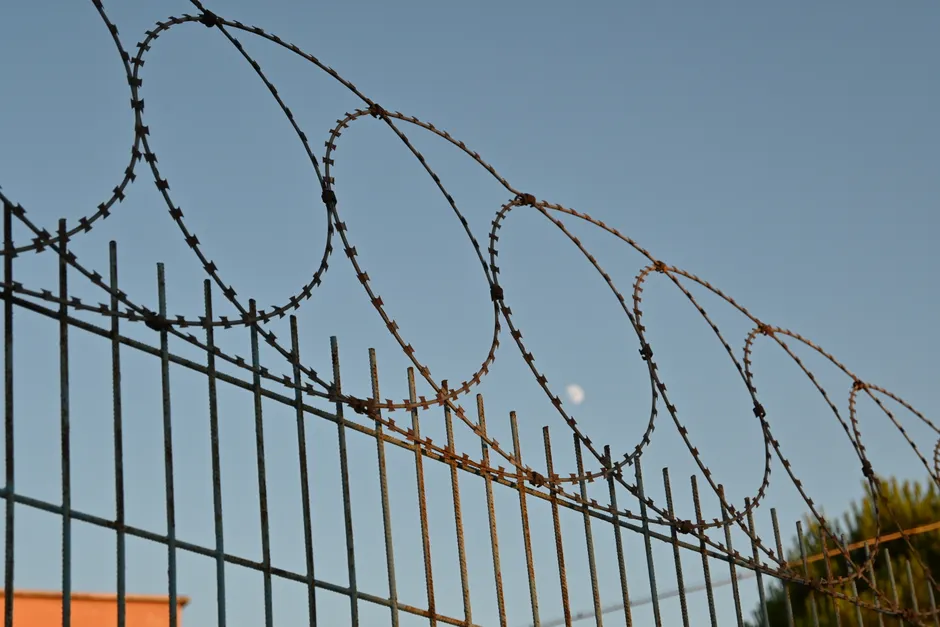
Footage published by Reuters on July 30 showed hundreds of migrants swimming from Morocco to Ceuta using inflatable rings and other flotation devices. Other footage showed migrants running through a gate in the Ceuta border fence. Spain's police, maritime rescue services, and the Red Cross were involved in rescuing migrants attempting the swim, according to Deutsche Welle. BBC News confirmed accounts of both the swimming crossings and the fence breach.
Ceuta's leader, Juan Jesús Vivas, warned that shelters for children arriving without parents were full well beyond their intended capacity, Reuters reported. He also said the bodies of 60 people had been recovered at sea in recent months, according to RTVE. Vivas has urged the Spanish government to step in directly, saying the city cannot handle the situation on its own.
The surge has drawn comparisons to May 2021, when about 8,000 people entered Ceuta over a matter of days. That earlier crisis showed how fragile cooperation between Spain and Morocco on migration can be, and led to a large but temporary deployment of Spanish security forces to the city. The current situation involves fewer people overall but has lasted longer and has already led to deaths at sea.
To understand why this matters, it helps to know what Ceuta is. Ceuta and a neighbouring city called Melilla are both Spanish territories located on the northern coast of Africa, surrounded by Morocco. They are the only places where the European Union shares a land border with Africa. Think of Ceuta as a doorway between two continents — which makes it a flashpoint for migration and diplomacy alike.
The Spanish Interior Ministry publishes immigration reports every two weeks, with data through July 15, 2026. These reports — covering data through March 31, June 30, and July 15 — show that the ministry has been tracking arrivals over time. The current surge in Ceuta may significantly change the numbers in the next report.
The broader context here is that Ceuta has limited resources to handle migrants. Its shelters for children arriving alone were already stretched before this surge. Vivas's statement that they are now running at several times their intended capacity raises questions about conditions inside, about what the law requires of both Ceuta and the central Spanish government, and about whether the pace of arrivals will continue.
The interior minister's planned Friday visit suggests the central government sees the situation as a political priority. What is not yet clear is whether Madrid will send more security forces to the border, negotiate with Morocco to tighten controls on its side, or do both at once, as it did in 2021. Vivas's public declaration of an emergency is also a political move — it puts pressure on Madrid to act while managing expectations within Ceuta.
The 60 bodies recovered at sea add a humanitarian dimension that makes any purely security-focused response harder. The people swimming with inflatable rings are taking a route that can be deadly, and the involvement of rescue services and the Red Cross shows the crossings are creating emergency operations in the waters near the Strait of Gibraltar.
Looking at what this means for the European Union, Ceuta is in a unique position. It is EU territory on the African continent, and its border is the EU's only land boundary with Africa. Arrivals here are not just a Spanish issue. They involve Frontex, the EU's border agency, and the broader EU framework for managing its external borders. Whether Brussels offers additional support or leaves the matter to Madrid's bilateral dealings with Morocco will say a lot about how the EU plans to handle its southern border going forward.
The way people are crossing — mass swims and fence breaches rather than the small boats more typical of this route — also suggests a shift in tactics. It may reflect reduced Moroccan border enforcement on its side. In 2021, Madrid said Morocco had loosened border controls as a diplomatic signal during a dispute over Western Sahara. Whether something similar is happening now is a question that the interior minister's visit may begin to answer, though neither Spanish nor Moroccan officials have publicly addressed the enforcement question this time.