Uber Now Lets Parents Watch Their Teen's Ride on Live Video
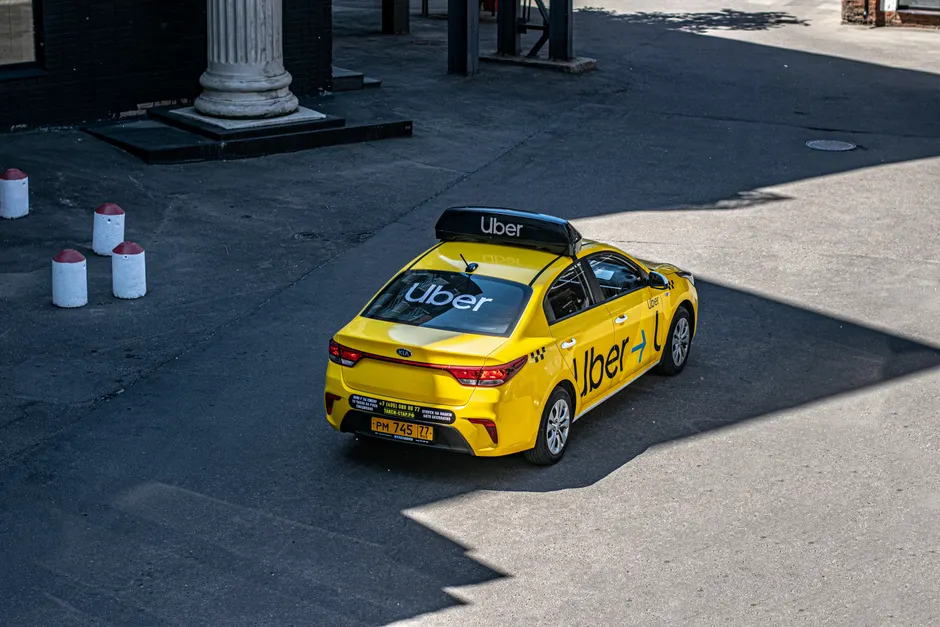
Uber announced on August 25, 2026 that parents and guardians can now watch their teenager's ride in real time using live video. The video comes from the driver's own phone camera, the one normally used for selfies, and gives parents a live view from inside the car while the ride is happening. TechCrunch
The feature launched in nine markets, including Atlanta, Cleveland, and Rhode Island. A nationwide U.S. rollout is planned for the weeks following the announcement. Uber first introduced teen accounts in the U.S. in 2023 and has since expanded them to more than 50 countries.
Only parents or guardians whose accounts are linked to the teen's Uber account can watch the stream. When a parent chooses to watch, both the driver and the teen get a notification. Uber has confirmed that once the ride ends, no one can access the video again. There is no recording and no playback after the trip is over.
Some details about how the feature works are not fully clear. Uber described the live video as "encrypted," which means the data is scrambled so that outsiders cannot easily read it. But Uber did not say whether the video is "end-to-end encrypted." That is a stronger form of protection where only the parent's phone and the driver's phone can unscramble the video, and no one in between, not even Uber, can see it. To picture the difference: regular encryption is like sending a locked box through a delivery company that holds a copy of your key. End-to-end encryption is like sending a box whose key only you and the recipient ever had. Uber's wording leaves it unclear which method they are using.
The feature also has no opt-out for other people who might be in the car with the teen. A friend, a teammate, or a sibling riding along has no way to avoid showing up on the live video. The driver and the teen get told that streaming is on, but a third passenger in the car has no warning and no way to say no.
This matters because laws about recording people vary from state to state. Some states require that everyone being recorded agrees to it beforehand. Rhode Island, one of the places where the feature launched, is one of those states. That suggests Uber's lawyers have thought about this issue, but since there is no way for a third passenger to opt out, it is not clear how the feature fully complies with those stricter laws.
Uber's teen accounts were designed with safety in mind from the start. They already included trip sharing with parents, verified pickup matching, and limits on which drivers could give rides to teens. The live video feature adds to this by letting parents actually see what is happening inside the car, not just follow the trip on a map.
There is a real concern about trust here that is worth talking about. The parent decides to turn on the stream. The teen and the driver are told it is on, but neither can say no. The driver is being filmed by their own phone, on a video they cannot turn off, because a parent they have never met asked for it. Many Uber drivers are independent contractors who may not have expected their selfie camera to be used this way when they agreed to work for Uber. Whether Uber specifically asked drivers about this feature, or just relied on existing rules about cameras, is not mentioned in the announcement.
The fact that the video disappears after the ride is a good thing for privacy. It means the feature is limited to watching in real time, rather than creating a collection of videos from inside cars that could be saved, shared, or demanded by law enforcement. That decision, whether Uber made it to protect privacy or to avoid legal trouble, is the right one.
Uber has built something that addresses a worry many parents genuinely feel. The questions about how secure the video really is, and whether passengers who did not agree to be filmed are protected, are the issues that will come up as the feature expands beyond its first nine markets.


