Waymo Is Letting Teenagers Ride Alone in Self-Driving Cars. Here's Why That Matters.

Waymo Is Letting Teenagers Ride Alone in Self-Driving Cars. Here's Why That Matters.
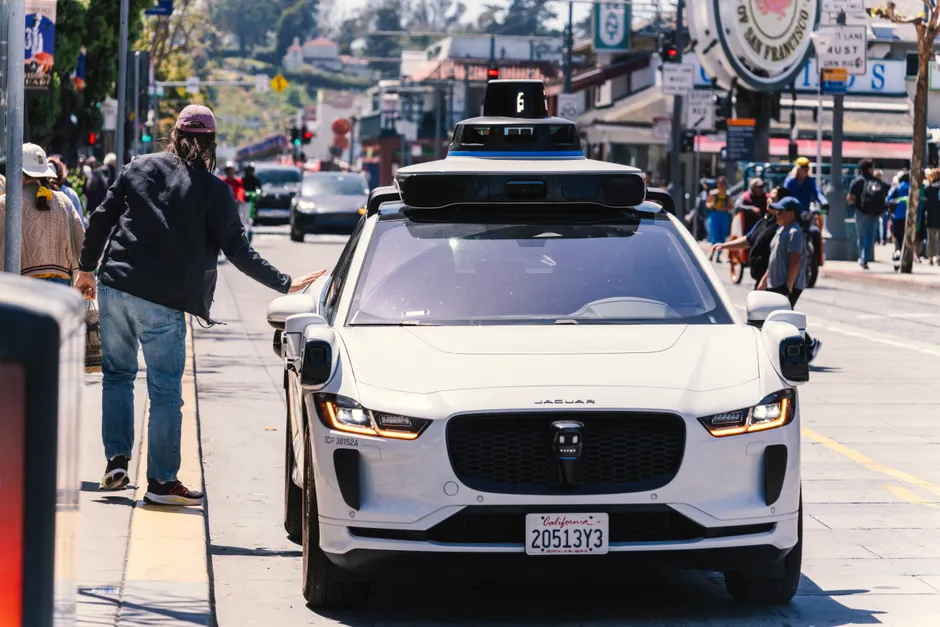
Waymo, the self-driving car company owned by Google's parent company, is now letting teenagers aged 14 to 17 ride alone in its robotaxis in the Phoenix area. This is the first time a major self-driving car service has allowed unsupervised teenagers to use the system. Teens can only use special accounts set up by their parents, and parents get receipts for every trip and can see where their child is going through Waymo's teen account system.
This matters because it shows that Waymo thinks its self-driving cars are safe enough for young riders. It also highlights a split between how different states handle self-driving cars. California, where Waymo is based and does most of its testing, does not allow teenagers to ride alone in robotaxis. Arizona, where Waymo operates in Phoenix, has fewer rules and allows it.
How the Teen Accounts Work
When a parent sets up a teen account, it links to their own Waymo account. Parents see receipts for all their teenager's rides and how much money was spent. If there's an issue during a ride, Waymo can call the parent to include them in the conversation.
Waymo's robotaxis work across 315 square miles of the Phoenix area. Children under 13 cannot ride alone under any circumstance — an adult must be with them. Teenagers aged 14 to 17 can use the service alone only if their parent has set up a special teen account. Regular adult accounts cannot order rides for teenagers.
How Waymo Checks Ages
Waymo has built in ways to prevent people from breaking the age rules. Support staff can call riders during trips to confirm their age if needed. If someone uses a teen account illegally, Waymo can suspend their account temporarily or permanently.
Why This Matters Beyond Phoenix
Different states have different rules for new technologies. California has been more cautious about who can ride in self-driving cars, while Arizona has been more open to letting companies test new ideas. This difference is typical — when ride-sharing services like Uber and Lyft first started, they also had different rules in different places. Some cities let teenagers ride with parental permission earlier than others. Bike-sharing systems followed a similar path, starting with adult-only rules before opening up to teens.
The fact that California is now thinking about changing its rules suggests that Arizona's approach might win out. If California allows teenagers in self-driving cars, many more people across the country could gain access to this service.
What This Means for Families
Teenagers in Phoenix can now get rides to school, sports practice, and social events without asking a parent to drive them. For families in suburban areas where public buses don't run frequently, this fills a real gap. It also gives teenagers a form of independence that wasn't possible before in places with self-driving cars.
As more people use the system and nothing goes wrong, other self-driving car companies will likely add teen accounts in their own cities. Waymo is getting operational experience with how to safely manage rides for this age group, and that knowledge matters for where the industry goes next. Over time, letting teenagers ride in robotaxis could become normal across the country, not just a special program in Phoenix.
The broader context here is that self-driving cars are moving from experimental projects to something people use for everyday transportation. Safety systems have improved, and companies now feel confident enough to expand to new groups of riders. That confidence is slowly changing how regulators think about these vehicles.