UK and Japan Strike Major £18 Billion Investment Deal — Here's What It Means

The UK Prime Minister and his Japanese counterpart met in London on 14 June 2026 to announce a major investment and technology agreement. The deal is expected to bring more than £18 billion into the British and Japanese economies and create tens of thousands of new jobs, according to UK government statements.
This builds on deals Japan has already made. In 2023, major Japanese companies committed £17.7 billion to invest in the UK — in areas like healthcare research and infrastructure. The new deal doesn't replace that earlier commitment; it deepens and expands it.
At the heart of the agreement is something called the UK-Japan Frontier Technology Partnership. Think of it as a long-term agreement that says: British and Japanese companies can invest in each other, work together on research, and sell to each other's markets in cutting-edge technology fields. Those fields include computer chips, artificial intelligence, and quantum computing — areas where both countries have real strength.
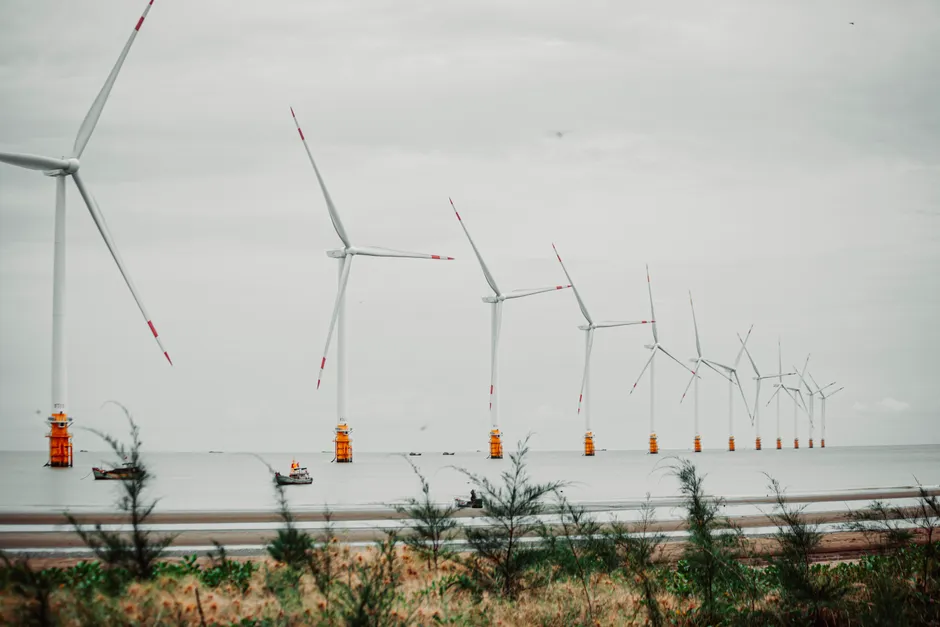
The deal also focuses heavily on energy. The UK and Japan plan to work together on offshore wind farms and advanced nuclear reactors, Nikkei Asia reported. This makes practical sense. The UK already operates massive offshore wind farms and is developing small, factory-built nuclear reactors. Japan is carefully rebuilding its nuclear industry after the Fukushima disaster and also expanding offshore wind power. By sharing research, both countries can learn from each other and move faster.
Japan has become crucial to Britain's economy since Brexit — since the UK left the European Union in 2020. When Britain exited the EU, it lost automatic trade advantages with EU countries and had to build new trade relationships elsewhere. Japan stepped in as a major investor, funnelling billions into British car manufacturing, financial services, and pharmaceutical research. A formal trade agreement between the two countries, which started in 2021, made this easier.
Why now? Both governments have reasons to trumpet this deal. Japan is strengthening military and security partnerships with Britain and other Western allies as tensions rise in the Indo-Pacific region. Britain, for its part, needs to show voters that leaving the EU was economically worth it — that new trade partnerships can replace what was lost. An £18 billion commitment with a grand-sounding tech partnership does exactly that.
Here's what matters next: announcements are easy; money actually flowing into real projects is harder. Previous Japanese investment promises were detailed and trackable. What's less clear is how this new partnership will actually work day-to-day — whether companies will be legally bound to invest, or whether these are softer commitments that could fade. The devil is always in the details.
The energy side of this deal could end up being the most significant. Wind and nuclear supply chains — the companies that make parts and materials — are global and competitive. If Britain and Japan coordinate their purchasing and technology standards, they could shape global markets in ways that benefit both countries.