What Happened in the Nepal Floods? A Mountain Avalanche Turned Deadly
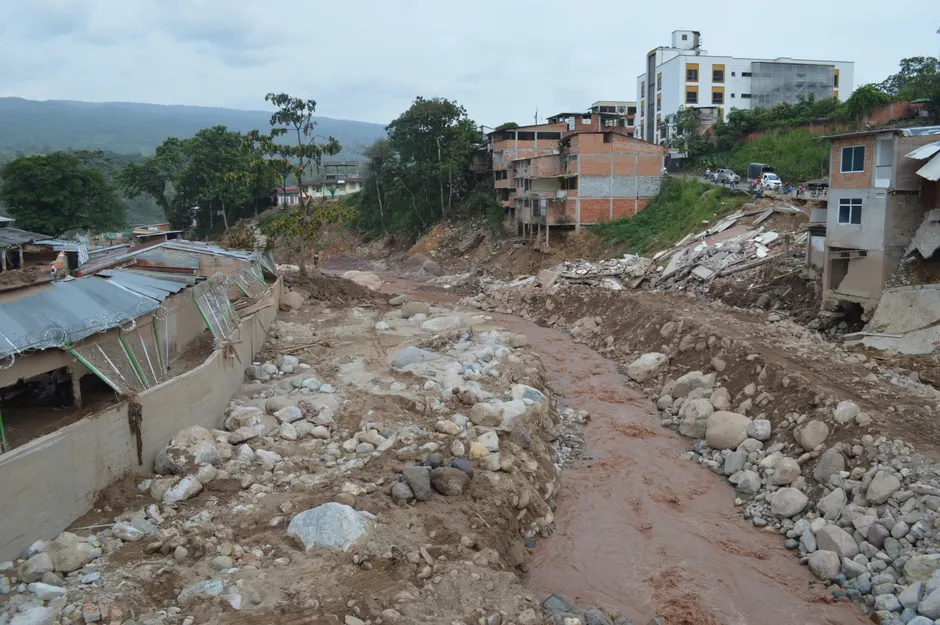
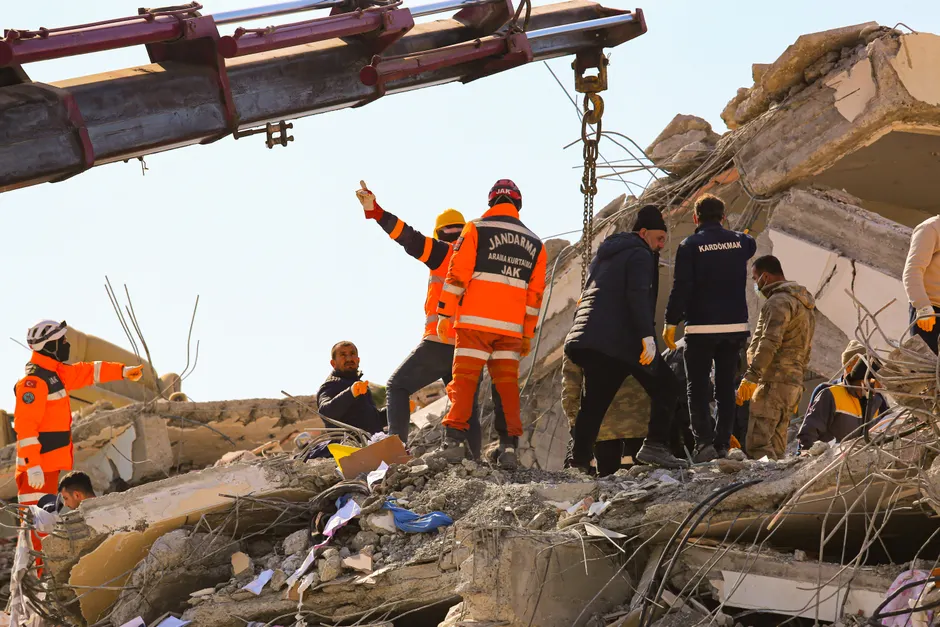
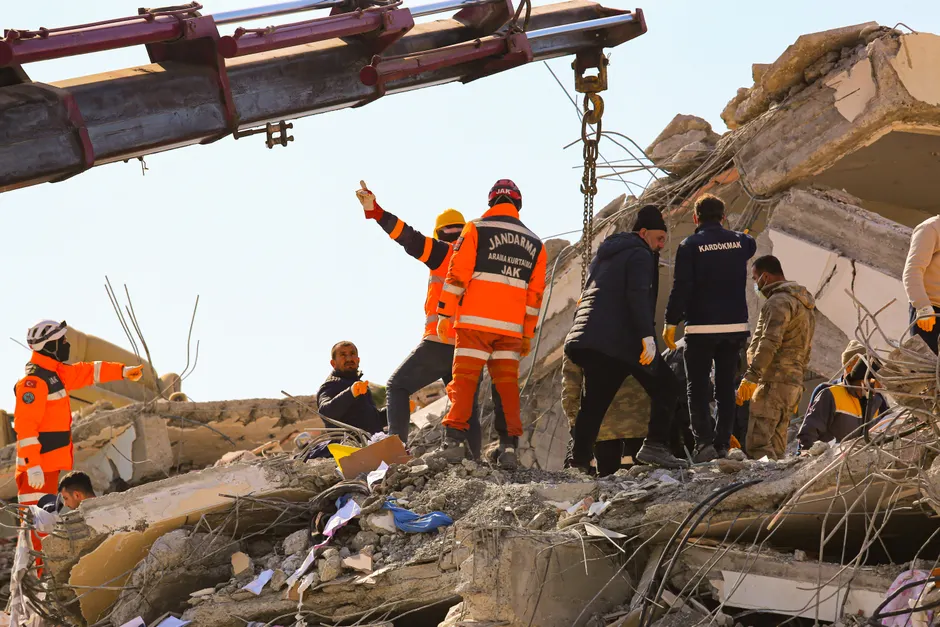
A massive avalanche of rock and ice along the Nepal-China border on Wednesday, August 26, 2026, caused sudden flash floods in the Bhotekoshi river. At least 98 people have died and 403 are reported missing across the region. Tibet also reported major casualties from the same flood. The disaster hit an area popular with international travelers — at least 384 people were affected, including Indian, American, and British nationals. Among the missing, 47 are from the United States. CNBC
The avalanche crashed down along the Nepal-Tibet border and sent a huge wave of water, mud, and broken rock rushing through the Bhotekoshi river valley. NPR The floodwaters swept away entire villages and roads. Rescue teams are struggling to reach people because the area is high up in the mountains, with narrow valleys and very few roads. Al Jazeera Reuters
Nepal quickly formed rapid action teams to respond to the flooding. The Bhotekoshi valley has flooded before in recent years, but the number of dead and missing this time is much higher than usual for the rainy season in this area. Because so many foreign travelers were caught in the flood, this disaster has an international side — American, Indian, and British nationals are among those affected.
The flood crossed national borders, which makes the rescue effort more complicated. The avalanche started right on the border between Nepal and Tibet, and the floodwaters hit communities and travel routes in both places. People have died on both sides, but officials have not yet confirmed exactly how many deaths and missing persons are in Nepal versus Tibet. Dealing with the Tibetan side means Nepalese authorities need to coordinate with Chinese officials, and these two countries' disaster response systems have not traditionally worked closely together.
The numbers — 98 dead and 403 missing — are what was reported as of August 26. In disasters like this, early counts often change as rescue teams reach more areas, new information comes in from remote locations, and duplicate reports get sorted out. The 47 Americans among the missing will likely draw extra attention from the U.S. government. The U.S. Embassy in Kathmandu may step in to help coordinate with Nepalese rescue teams.
The broader context here is that avalanches like this are happening more often across the Himalayan mountains. When rock and ice come crashing down in these glacier-covered areas, they can set off a chain reaction: the debris can choke a river, create a natural dam, and then that dam can break open and release another flood farther downstream — affecting people and towns far from where the avalanche actually happened. The Bhotekoshi valley is steep and sits along a major travel route through the mountains, so one avalanche can cause a humanitarian crisis, a transportation nightmare, and a cross-border coordination problem all at the same time.
The international profile of the victims, the fact that this crossed two countries, and the large number of missing people will shape the coming days. Rescue teams in high mountain flood zones have very limited time to work, and the terrain makes it hard to bring in heavy equipment. How fast Nepal's rescue teams can reach the most remote areas — and whether they can coordinate with Chinese authorities on the Tibetan side — will determine how the casualty count changes in the days ahead.