A Massive Flood Hit the Nepal-Tibet Border — Here's What's Going On

A flash flood on the Nepal-Tibet border in the Himalayas killed at least 160 people on Wednesday, and hundreds more are still missing. The Guardian
A huge amount of mud and rock broke loose and crashed into a river on the border, washing away houses, roads, and border crossings. Video from the Chinese side showed the debris pouring over a multi-storey building and sweeping away buses and cars. Nepali police said 157 bodies had been recovered from the flood, with three killed on the Tibet side. Chinese state media reported three dead and 265 missing from the mudslide at the Gyirong county border crossing. The Guardian
The people missing come from many different countries. Nepal's tourism ministry said 403 tourists are unaccounted for, and 341 of them are foreigners. These include 142 Indians, 47 Americans, 34 Australians, 33 Britons, and 24 Canadians, along with people from South Korea, the Netherlands, Malaysia, Portugal, and South Africa. South Korea's foreign ministry confirmed nine South Koreans missing. At least 28 Nepal police officers are also missing. The Guardian
At first, Nepali officials thought an earthquake might have caused the flood. Foreign Minister Shishir Khanal said an earthquake may have set off a landslide that blocked the river, sending water rushing downstream. But the USGS, the American agency that tracks earthquakes, later found that the ground shaking people felt was actually caused by a wall of glacial ice and rock collapsing into the valley. Think of it like dropping a boulder into a bathtub — the splash and shaking came from the collapse itself, not from a separate earthquake. The Guardian Reuters
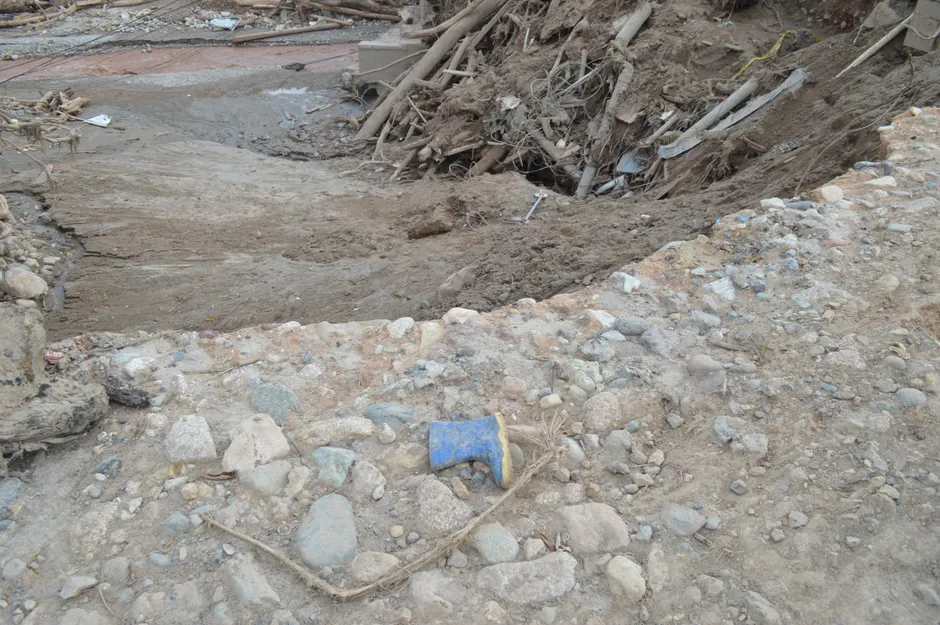
The mudslide hit Gyirong port in Tibet and crossed into Nepal, creating fast-moving floods that wiped out roads and power lines. Reuters The flood also struck Trishuli in Nepal, leaving homes buried in mud. Reuters
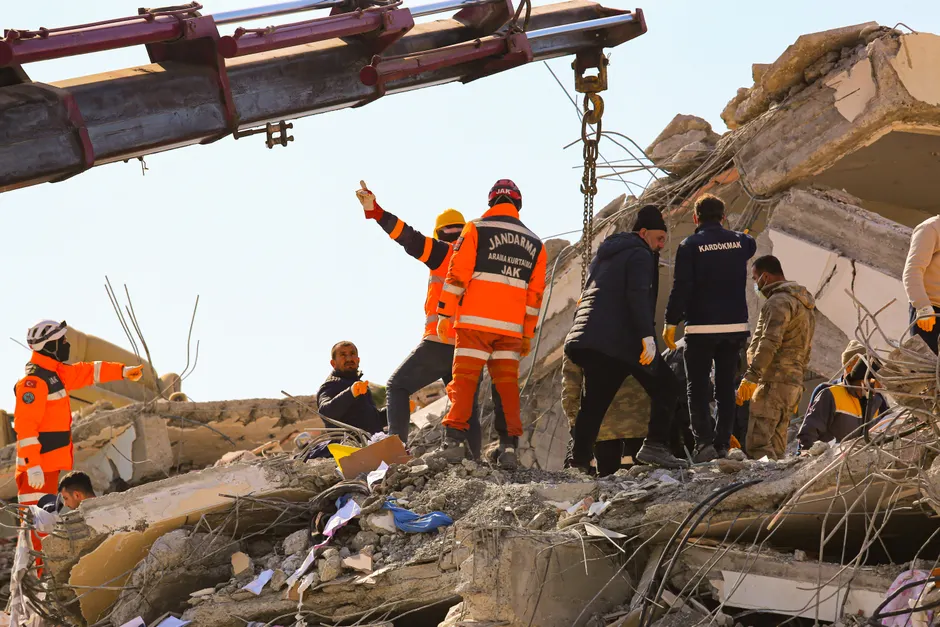
Tibet officials sent nearly 800 emergency workers and 150 vehicles, plus sniffer dogs and speed boats, to help with rescues, according to Xinhua, China's state news agency. The Red Cross said entire villages and markets were destroyed and started sending blankets, first aid kits, stretchers, and body bags. UN Secretary-General António Guterres said UN teams were gathering supplies and sending people to Nepal to help. The Guardian
Experts warned that debris still blocking the river upstream could cause a second flood. The Guardian
The broader context here is that this disaster crosses a sensitive international border, which makes rescue work more complicated. Nepal and China have to coordinate their emergency responses across that border, and the large number of foreigners among the missing means governments from a dozen countries are now involved, all pressing for answers about their citizens.
The fact that this was caused by a glacier collapsing, not an earthquake, changes how scientists think about the risk. It means the danger comes from melting and shifting ice, not from movement deep underground. That matters for predicting whether it could happen again. With debris still blocking the river upstream, experts say this is not over yet — another flood could follow. Rescue teams on both sides of the border are racing to find survivors and figure out if the situation upstream is stable before anything else gives way.