A Flood on the Nepal-Tibet Border Has Killed Over 165 People — Here's What Happened
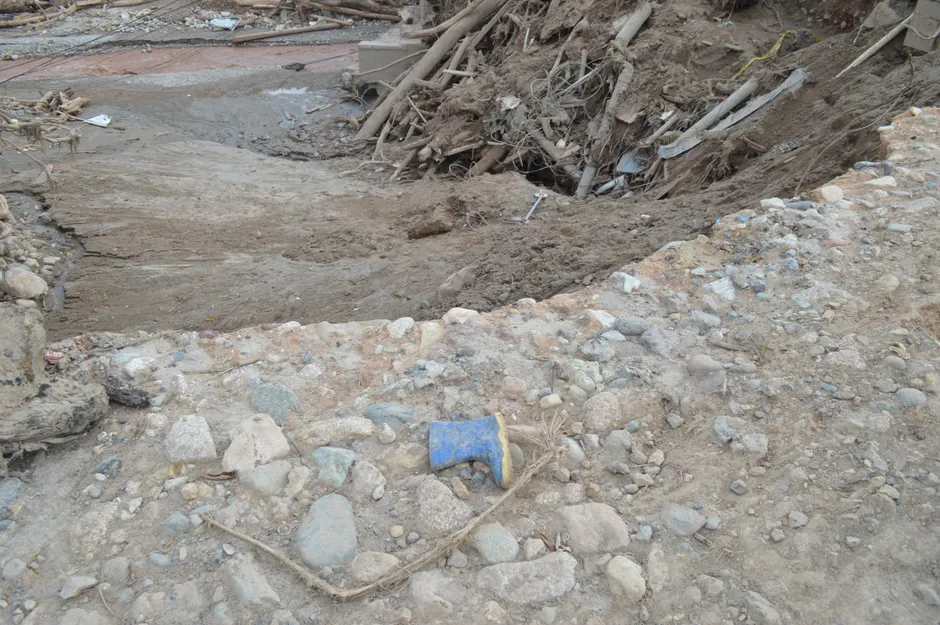
A sudden, powerful flood along the border between Nepal and Tibet has killed at least 165 people, according to Nepali police and The Guardian. More than 1,500 people are still missing. Rescue teams are having trouble reaching remote villages that the floodwaters cut off. On the Tibet side, Chinese state media says three people have died and 558 are missing in one county alone, including 260 foreigners.
Reuters first reported the disaster on August 26, 2026. The flood hit the border area and washed away villages and construction sites near the Tibet frontier. By the end of that day, Nepali police had recovered 165 bodies, according to The Guardian. Reuters reported 157 bodies found and three deaths with 265 missing in Gyirong, a county in Tibet. By August 27, Chinese state broadcaster CCTV raised the number of missing in Gyirong to 558, including 260 foreign nationals.
The number of missing people is enormous. The Guardian says more than 1,500 people remain unaccounted for, and most of them are tourists. The border area around Gyirong is a popular crossing point for travelers moving between Nepal and Tibet, which likely explains why so many foreigners are among the missing.
This disaster is part of a wider wave of extreme weather in the region. Nepal's National Disaster Risk Reduction and Management Authority (NDRRMA) has reported 33 separate disaster incidents across the country, including snakebites, landslides, fires, floods, and heavy rain. Back on July 9, 2025, NDRRMA had already warned about a flash flood on the Bhotekoshi River in Rasuwa, a district next to Tibet.
The rivers in this area start on the high Tibetan plateau and flow south into Nepal. They can rise suddenly and dangerously. This happens when glaciers release water, dams open, or upstream ground collapses. People living along these riverbanks get very little time to react. With 165 confirmed dead and more than 1,500 missing, this could be one of the deadliest cross-border floods in the region in years, though it is too early to say for certain.
China has helped with international disaster relief before. In a 2019 government report, China's State Council Information Office noted that it had assisted over 230,000 people during past disasters, including the Nepal earthquake and a dam collapse in Laos. Whether Beijing sends similar help across the border for this flood is still an open question, since the disaster hit both Nepal and China. The 260 foreign nationals missing in Gyirong also add a diplomatic layer, as several governments will want information about their citizens.
On July 30, 2026, a government commission in Tibet debunked a rumor that a building in Henan province had collapsed into a river during heavy rain. The video circulating online was actually from 2021. This is unrelated to the border flood, but it shows how fast false information spreads during extreme weather, which can make rescue work and official communication harder.
Here are the confirmed numbers as of August 27, 2026: 165 dead on the Nepali side, three dead on the Chinese side, 558 missing in Gyirong county (including 260 foreign nationals), and more than 1,500 missing overall according to The Guardian. These numbers are still changing as rescue teams reach more areas. The jump from Reuters' earlier count of 265 missing in Gyirong to CCTV's later figure of 558 shows how quickly the picture is shifting as Chinese authorities search a wider area.
The broader context here is that flooding risks across the Himalayas are growing. Glacial lakes, melting frozen ground, and unpredictable monsoon rains have made the rivers that cross these mountains more dangerous. Towns, roads, and border crossing facilities on both sides sit right in the path of rivers that can turn from calm streams into walls of water in minutes. NDRRMA's count of 33 disaster incidents happening at the same time across Nepal shows that this flood is not a one-off event. It is part of a larger emergency that is stretching Nepal's disaster response to its limits.


