Floods Hit the Nepal-Tibet Border Again — Here's What's Going On
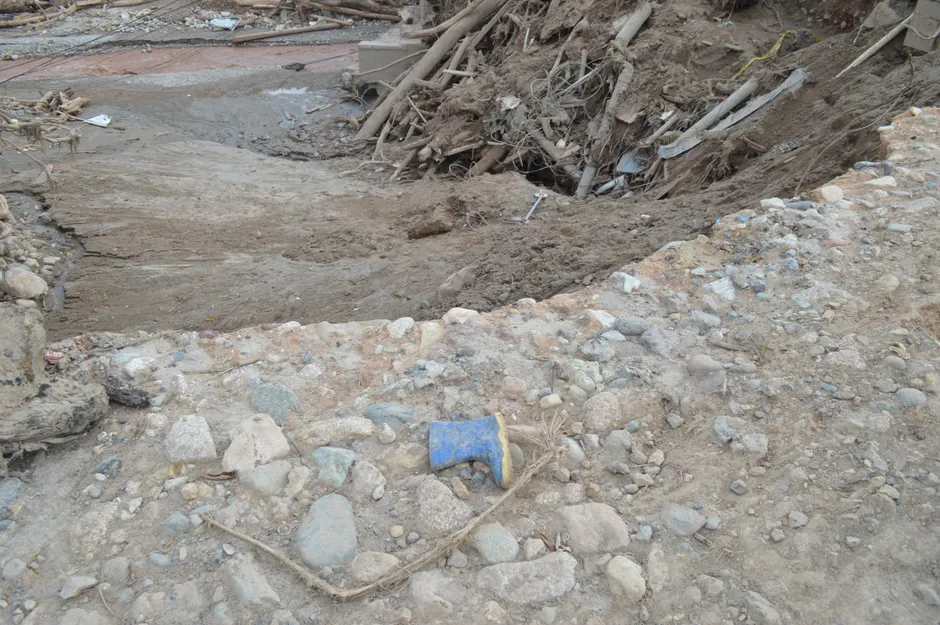
A flash flood along the Nepal-Tibet border has killed at least nine people, washed away villages, and damaged roads and project sites near the frontier, according to Reuters reporting from August 26, 2026. The flooding struck the Himalayan border areas of Nepal and neighboring Tibet, a region already used to heavy flooding during the monsoon season.
This is not the first time. In July 2025, a massive flash flood on the same river, the Bhote Koshi, killed nine people, left 24 missing, and washed away a Friendship Bridge linking Nepal and China (Reuters). That flood was caused by the sudden drainage of a glacial lake on the Tibetan side, according to a climate body cited by Reuters (Reuters). Glacial lakes form when glaciers melt and the water pools behind walls of ice or rock. If that wall breaks, the lake empties suddenly, sending a wall of water racing downstream. Initial reporting on the 2025 disaster had put the death toll at eight with over two dozen missing (Reuters); the number was later raised.
The latest flood is part of a longer pattern of deadly disasters in the Himalayas stretching back well over a dozen years (Reuters). The Bhote Koshi river runs through steep, narrow valleys from the Tibetan Plateau down into Nepal's Sindhupalchok district. Because the river starts on the Tibetan side, a flood that begins in Tibet can reach villages in Nepal within hours, with little time to warn people.
Nepal's National Disaster Risk Reduction and Management Authority (NDRRMA) tracks disasters through daily bulletins. The bulletin for August 25, 2026 reported one death and 18 injuries over the previous 24 hours (NDRRMA). A bulletin three days earlier, on August 22, 2026, reported the same numbers for the same 24-hour window (NDRRMA). These bulletins cover all kinds of disasters across the country, not just this flood, but they show that deaths from disasters have been a daily reality in Nepal during this period.
The August 2026 flood also damaged project sites near the Tibet border, though the specific projects have not been described in the available reporting. The Friendship Bridge destroyed in the 2025 flood was part of the road and trade network connecting Nepal and China through a crossing called Rasuwagadhi-Kerung. It is a trade route that matters to both countries. When infrastructure like bridges and roads gets damaged, it cuts off supply lines and makes it harder to deliver help to people who need it.
The broader context here is how climate change is making these floods more likely. The Himalayas hold so much ice that they are sometimes called the Third Pole. As the climate warms, glaciers melt faster and the lakes they create grow larger and more dangerous. When a glacial lake drains on the Tibetan side, the effects are felt in Nepal along the same river system. Because the 2025 flood was traced to exactly this process, the August 2026 flood fits a pattern of growing risk in the region.
Nepal's early-warning systems for floods that cross borders are still limited. These glacial lake floods can rush through steep terrain at very high speeds, leaving almost no time to react even when warning systems are working. China and Nepal have discussed sharing information about upstream water conditions in bilateral meetings, but the repeated loss of life raises questions about whether the current arrangements are enough.
The timing of this flood, just over a year after the deadly July 2025 event on the same river, will likely put more pressure on officials to act quickly. The damage to project sites suggests that buildings and roads in the border zone face the same flood risks as the villages nearby, which raises questions about how wise it is to build in the most flood-prone parts of the Bhote Koshi valley.
For now, the confirmed toll stands at nine dead, with villages washed away and roads damaged along a border where mountains, melting ice, and human infrastructure meet in a combination that leaves little room for error.