SpaceX Goes Public: Record $75 Billion IPO and What It Means

SpaceX raised $75 billion by selling shares to the public for the first time, setting a world record for the largest initial public offering ever, CNBC reported. On day one of trading, the stock price jumped roughly 19–20%, a strong start that shows investors are eager to own part of the company.
To understand the scale: $75 billion is three times larger than the previous record, Saudi Aramco's 2019 IPO, which raised $25.6 billion. That difference is enormous and reflects how much investors want to bet on SpaceX's future.
For years, people debated whether SpaceX would ever go public. CEO Elon Musk had said he preferred to keep the company private and take only Starlink — SpaceX's satellite internet service — public instead. The company chose differently: it took the whole parent company public rather than just the internet division.
SpaceX sold 555.6 million shares at $135 per share. This puts the company's total value at a level that compares to some of the largest U.S. companies.
The stock's 19–20% jump on the first day sounds impressive, but it's worth understanding why. When a company goes public, banks often price the shares below what they expect buyers to actually pay. This creates an opening-day pop that looks great in headlines but doesn't tell you much about how the stock will perform long-term. The coming weeks and months will be more informative than a single day.
One important shift happens now: SpaceX spent over a decade as a private company, free from pressure to show profits every three months. That freedom let engineers focus on developing better rockets without worrying about short-term shareholder demands. Being public changes that. Now SpaceX must report earnings quarterly and answer to shareholders who care about profit, not just engineering progress. That's a real cultural change for the company.
Investors and companies that compete with SpaceX — like ViaSat, OneWeb, and Amazon's Project Kuiper — will now have much more detailed financial information about Starlink's business. SpaceX will have to publicly report how much money Starlink makes from serving ships, planes, military customers, and rural areas without internet. That transparency helps competitors understand the market better and lets analysts make sharper comparisons.
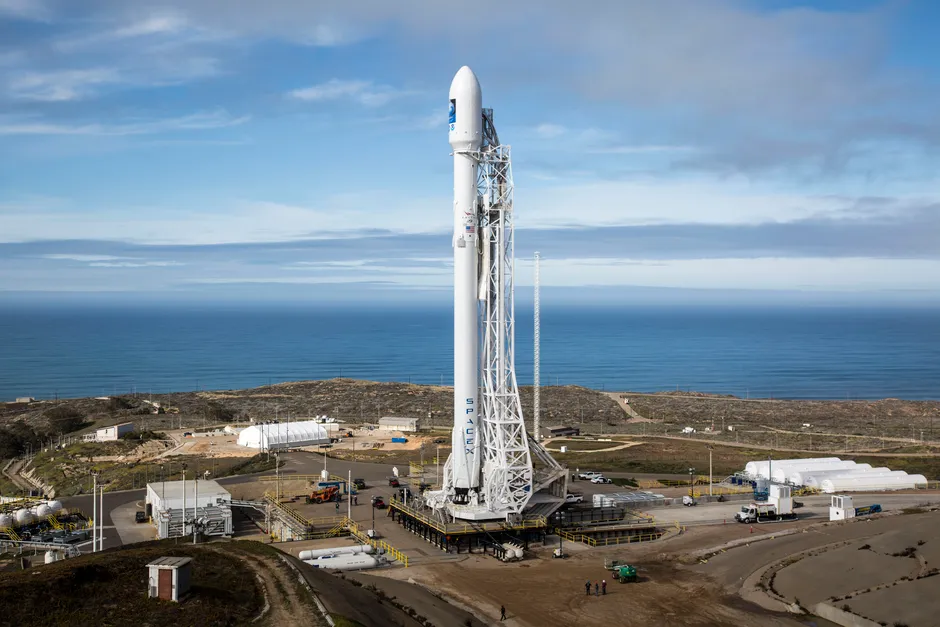
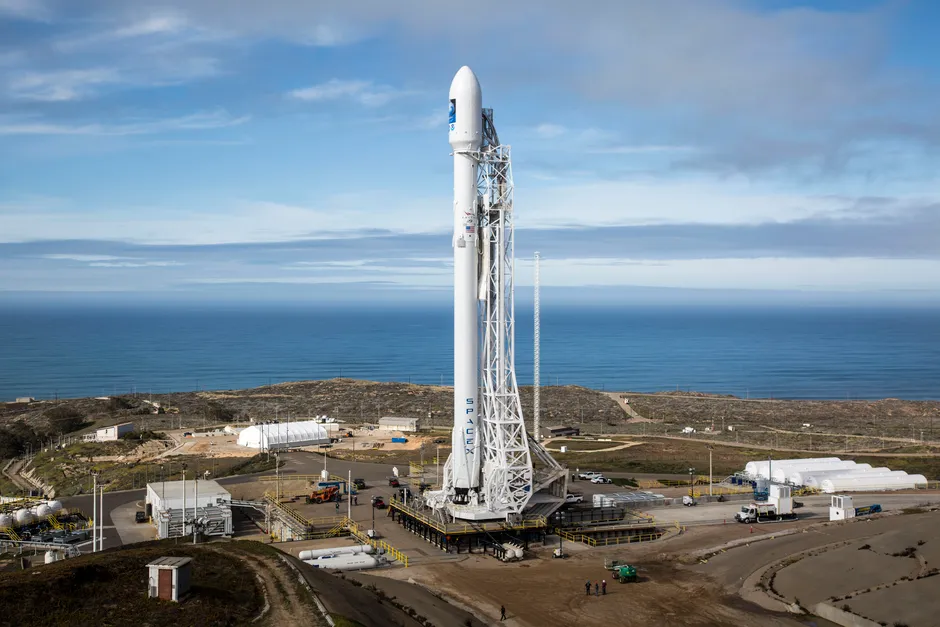
The timing also matters because the space launch business is growing fast. More satellites are being built, more companies want to launch payloads, and reusable rockets have made space more affordable. SpaceX's rockets — the Falcon 9 and the upcoming Starship — are central to that growth. Public reporting will now show the actual costs and profits of those launches, information the industry has been guessing at for years.
One observation from three decades of covering tech companies: the ones that truly change industries rarely look like world-beaters on day one of trading. An IPO is mainly about raising cash. What SpaceX does with $75 billion over the coming years — and how it handles life as a public company — is where the real story begins.