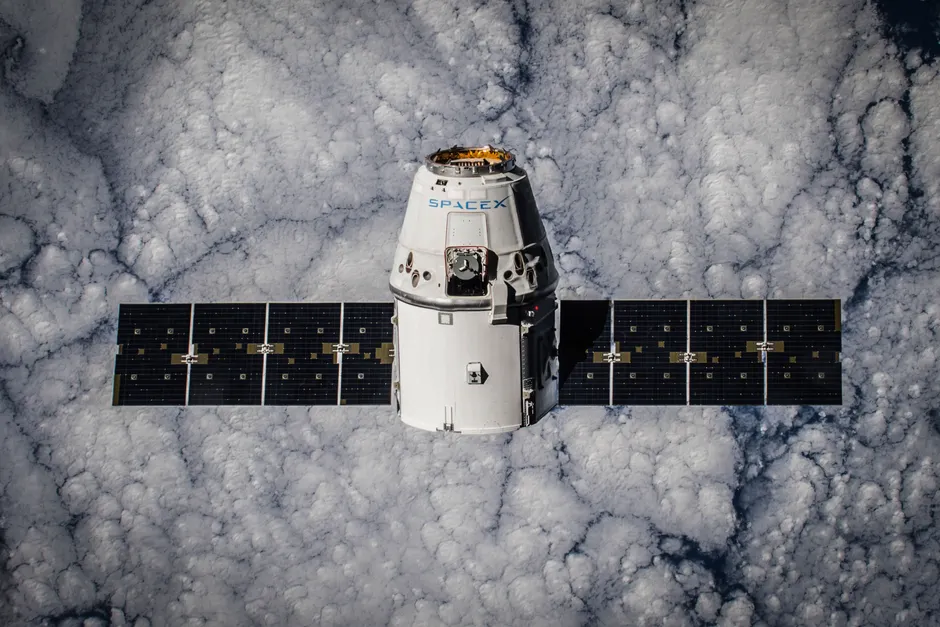
SpaceX Goes Public: Why a Rocket Company Is Now Worth $2.1 Trillion
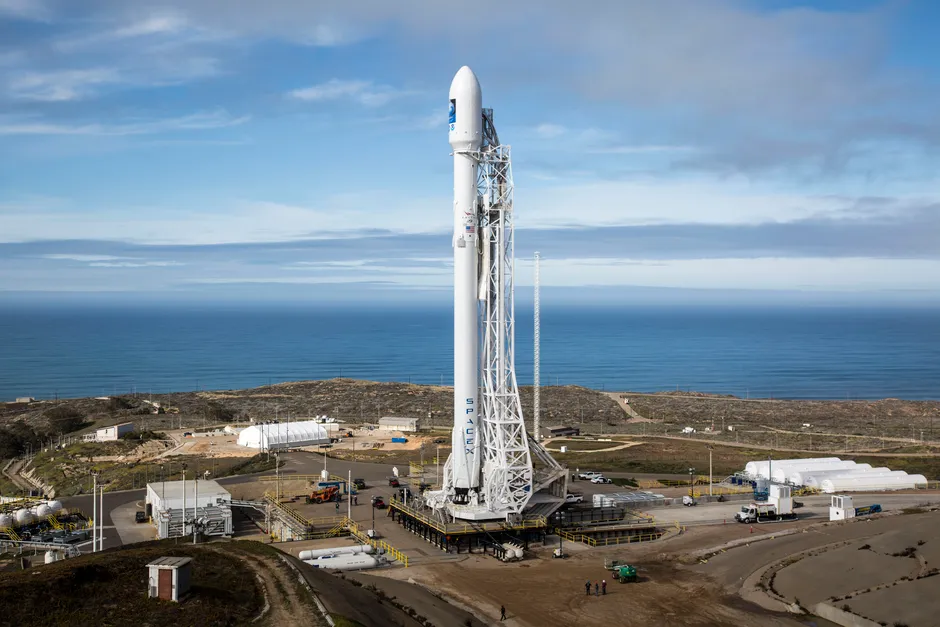
SpaceX started trading on the stock market on Wednesday at $160.95 per share — higher than expected. That price gave the company a valuation of $2.1 trillion, putting it in the same league as the world's largest tech companies, according to Reuters.
The company had priced its IPO shares at $135 each and planned to raise $7.5 billion. Instead, investors bought shares at nearly 20 percent higher on the opening day — a sign of strong demand. The original plan was already one of the biggest public offerings ever.
So why is a rocket company worth that much? SpaceX makes money from three main businesses: launching rockets for paying customers, selling high-speed internet through Starlink, and government contracts. Unlike software companies that can scale cheaply, SpaceX's business requires building rockets and satellites — expensive physical stuff that costs billions.
The high valuation bets on two big things happening. First, that Starlink becomes the main way people in remote parts of the world get internet. Second, that SpaceX's new Starship rocket becomes so efficient to reuse that launch costs drop dramatically. These are big "what-ifs" that are built into the current stock price.
One thing that matters for public investors: Elon Musk kept extra voting power in the company's share structure. This means people buying SpaceX stock own a piece of the profits, but they don't have a say in major decisions. One big government contract loss or a launch accident could change that picture quickly.
SpaceX also faces stiffer competition now. Other companies like Rocket Lab are launching more often, and Chinese commercial rocket companies have grown faster than American experts predicted five years ago. SpaceX still launches more stuff into orbit than anyone else, but it is no longer the only serious player.
The real test for SpaceX comes next. As a public company, it has to report earnings every three months, answer to stock analysts, and share details about how Starlink and its other businesses are performing. Before, as a private company, SpaceX could move at whatever pace made sense for engineering. Now it has to balance that with what investors and Wall Street expect. That is a different kind of challenge.