Australia's Power Grid Is Getting Stretched Thin
Australia's Power Grid Is Getting Stretched Thin
Australia's power grid is facing pressure from several directions at once: more homes switching to electric heating and cooking, increasingly severe weather, and bushfires threatening the infrastructure itself. These separate problems are colliding in ways that electricity companies and regulators are only now beginning to address.
The Invisible Network
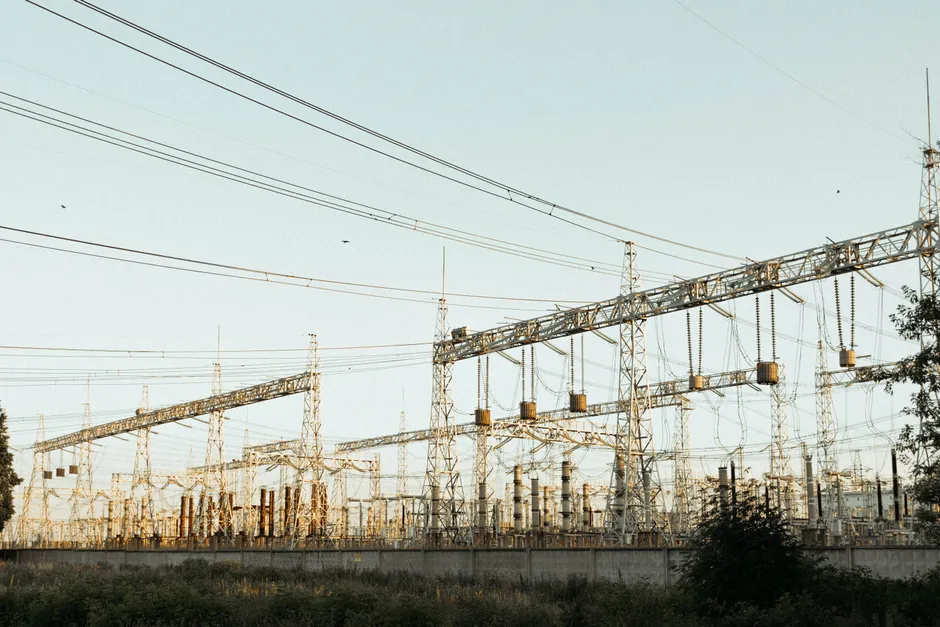
The electricity distribution network is enormous. In New South Wales alone, one major grid operator manages 25,000 substations, 370,000 power poles, and 150,000 streetlights. Think of it like the circulatory system of a city: power flows through major transmission lines, then down through zone substations — the mid-tier hubs that reduce voltage for local neighborhoods. Each of these hubs is critical. If one fails, thousands of homes lose power.
This infrastructure was built for a different purpose than what we're asking of it now. Victoria banned new natural gas connections to homes starting in 2024 as part of its emissions reduction strategy. The message is clear: homes will heat, cook, and charge electric vehicles using electricity instead. Across Australia's electricity markets, that shift toward electrification is consistent policy. The grid's load profile is changing fundamentally.
When the Grid Runs Out of Capacity
The risk isn't hypothetical. During a heat wave in January 2018, more than 10,000 homes in Victoria lost power when demand spiked beyond what the local system could handle. That happened before electrification accelerated. Today, there's less margin for error.
Fire adds another layer of risk. NSW has standards for fire protection inside substations — equipment failures can cause fires that damage the substation itself. But the bigger threat is external: bushfires can destroy power lines and substations just as easily as they destroy homes. In December 2025, a fast-moving fire on NSW's Central Coast destroyed 16 homes over a weekend and affected power infrastructure in the area. As fire seasons lengthen and spread into neighborhoods that were once considered low-risk, substations in those zones face repeated exposure.
The Housing Puzzle
The housing market adds uncertainty to the mix. House prices fell in consecutive months mid-2025, signaling a slowdown in new construction. That eases short-term pressure on the grid — fewer new homes means less immediate demand for power infrastructure upgrades. But it creates a different problem: new homes are built to be all-electric from the start, more efficient than older stock. When construction slows, the rate at which efficient buildings replace old ones slows too.
This connection between housing and the grid is overlooked in most debates about electricity. Network operators plan upgrades based on forecasts of how much power people will use. When housing construction falls, those forecasts change, and investment timelines shift. Older infrastructure — much of it from the mid-20th century in major cities — ends up running closer to its design limits for longer than planned.
The question now is whether Australia's power grid will hold up under multiple strains happening simultaneously. In the past, the system has weathered individual crises — heat events, policy shifts, natural disasters. What's different now is the combination: electrification mandates arriving alongside bushfire risk, housing uncertainty, and aging infrastructure in major cities. Some regulatory frameworks exist — Victoria's gas ban, NSW's fire safety standards for substations — but they were built to address separate problems. Whether they add up to a coordinated solution is an open question that electricity companies, regulators, and state ministers will be grappling with for years.


