Samsung's New Folding Phone Costs More But Stays Mostly the Same — Except for One Big Software Upgrade
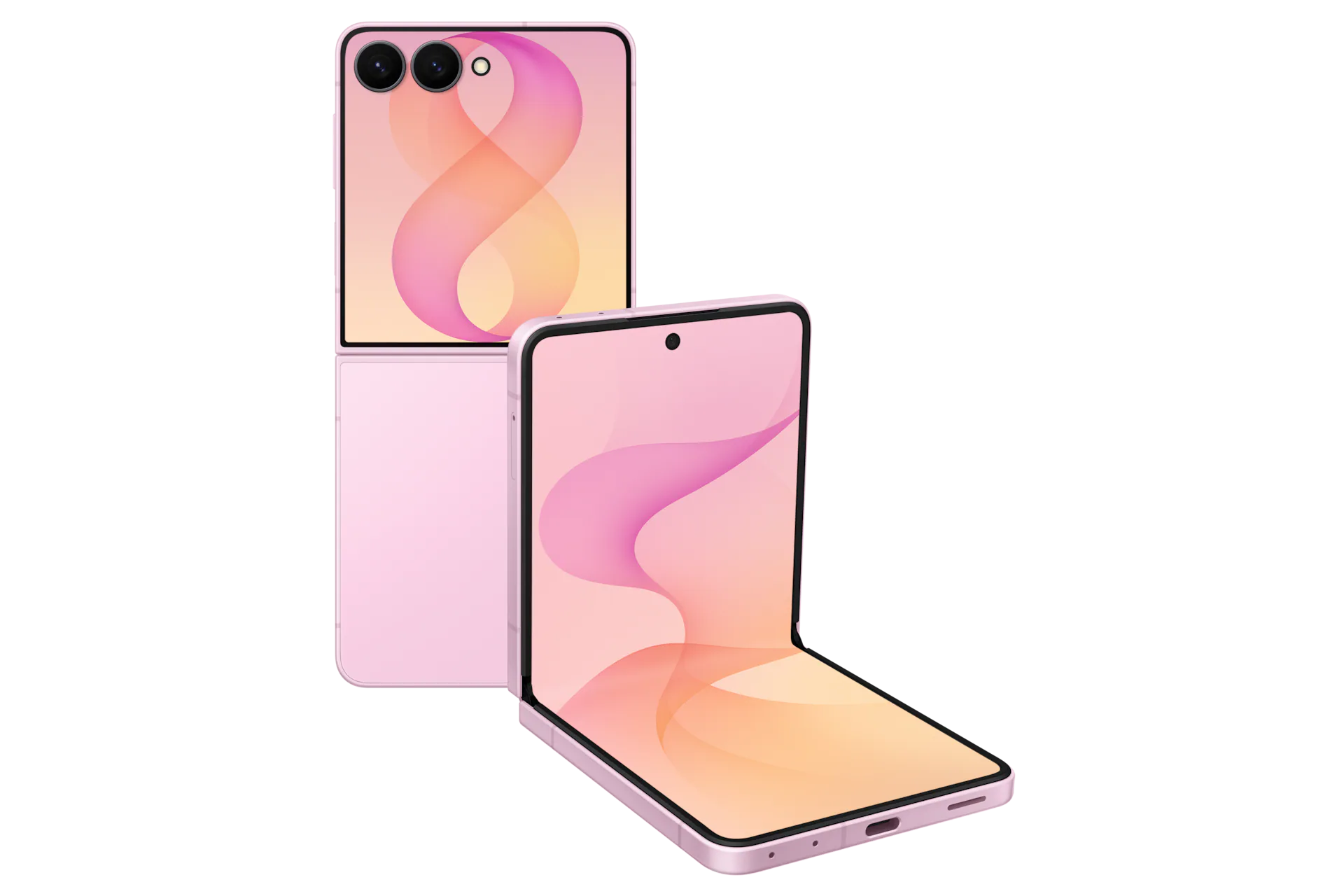
Samsung's new folding phone, the Galaxy Z Flip 8, went on sale August 7, 2026, with a starting price of $1,200. That is $100 more than last year's Z Flip 7, even though reviewers at The Verge say the hardware is almost unchanged. The phone is slightly thinner and lighter than before, and comes in 256GB unlocked versions in Graphite or Pink Samsung US. Samsung calls it their thinnest and lightest Flip phone, with a customizable outer screen (called FlexWindow), a 50 MP camera, and Galaxy AI features Samsung US Samsung UK.
The big change is in the software, specifically on the 4-inch screen on the outside of the phone when it is folded shut. For the first time, you can run full versions of every app without opening the phone up. You navigate with swipe gestures: swipe down from the top left for notifications, from the top right for quick settings, and up from the bottom for an app drawer The Verge.
That app drawer includes Samsung's own apps plus a Labs section with third-party apps like Netflix and WhatsApp. Samsung also prompts you to install a tool called MultiStar, which lets any app run on the outer screen. This removes the hassle that previously made getting third-party apps onto the cover screen difficult The Verge.
Apps on the outer screen can display in three ways: full-screen with the cameras blocking part of the image, a square format that stops above the cameras, or a narrow portrait shape with black bars on the sides. These options handle the fact that most phone apps were designed for regular screens, not a small folding display The Verge.
The Z Flip 8 launched alongside the Galaxy Z Fold 8 and Galaxy Watch 9 at Samsung's July 2026 Galaxy Unpacked event PCMag. Samsung is bundling a half-price discount on the LumaFusion video editing app with purchases, bringing it from $29.99 to $14.99, along with a 30-day free trial Samsung US. The company also highlights its Smart Switch app, which helps you transfer contacts, photos, videos, messages, apps, and settings from an Android or iPhone Samsung Global.
The Verge notes that the phone is still vulnerable to dust, a problem that has persisted across the Flip lineup. The review describes the overall hardware as mostly a rehash of last year's model despite the price increase. Battery life is reported as reliable.
What stands out is the gap between Samsung's hardware and its software work. The outer-screen experience on the Z Flip 8 is a real step forward for folding phones, turning that small display from a place that just shows notifications and widgets into something you can actually use like a small phone. The MultiStar integration shows Samsung recognizes that running apps on the cover screen needs to be easy, not something that requires digging through enthusiast tools.
The pricing, however, raises fair questions. A $100 increase on a phone with nearly identical hardware pushes the Z Flip 8 to $1,200, taking it further out of impulse-buy range. The lack of hardware progress, combined with the ongoing dust problem, suggests that folding phones may have hit a plateau in their physical design even as the software keeps improving. Whether the Z Flip 8 is worth it depends almost entirely on whether the outer-screen software improvements justify paying more than you would for last year's model or a regular phone. On hardware alone, it is hard to make that case.


