Samsung's New Flip Phone vs. Motorola's: Which One Should You Consider?

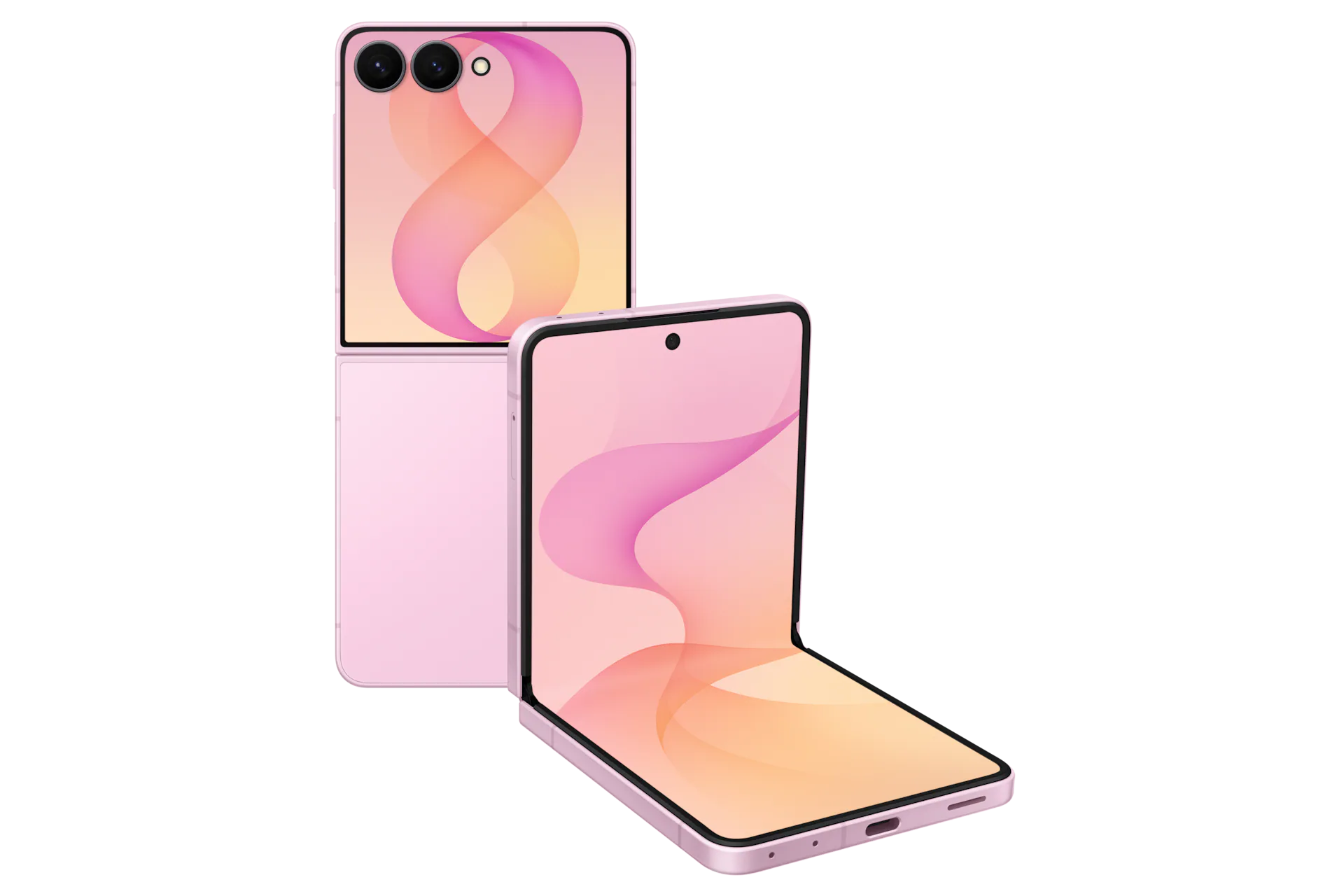
Samsung announced its new folding flip phone, the Galaxy Z Flip 8, on July 22, 2026. It starts at $1,200 and comes in two storage sizes: 256GB and 512GB. Motorola's competing flip phone, the Razr Ultra, has been on sale since mid-May at $1,500 and comes only in a 512GB version. Engadget published a side-by-side comparison of both phones the same day Samsung made its announcement.
The screens tell the first part of the story. The Z Flip 8's main screen is 6.9 inches, with a refresh rate of 120Hz — meaning the screen updates 120 times per second, which makes scrolling and video look smoother. It can get as bright as 3,000 nits (a measure of screen brightness; higher numbers mean easier to see outdoors). The Razr Ultra's main screen is slightly larger at 7.0 inches, updates 165 times per second, and reaches 5,000 nits.
Both phones also have a small screen on the outside that you can see when the phone is folded shut. Samsung's cover screen is 4.1 inches and can run full apps, meaning you can use regular apps like maps or messages without opening the phone. Motorola's cover screen is 4.0 inches and updates more smoothly at 165Hz.
Samsung's phone is lighter and thinner. The Z Flip 8 weighs 180 grams and is 6.1mm thick when open, folding to 13.1mm closed. The Razr Ultra weighs 199 grams and is 7.2mm open, folding to 15.7mm. Both phones have an IP48 rating, which means they can survive being underwater up to 1.5 meters for 30 minutes, but they are not fully protected against fine dust and sand.
The cameras are where the two phones differ the most. Motorola includes three 50-megapixel cameras — a main camera, a wide-angle camera, and a front-facing selfie camera — and can record video in 8K, the highest-resolution video standard currently available. Samsung's setup pairs a 50-megapixel main camera with a 12-megapixel wide-angle and a 10-megapixel selfie camera, and records video up to 4K at 60 frames per second. Engadget's earlier review of the Razr Ultra noted good contrast and reduced grain in photos.
Motorola also uses more unusual materials. The Razr Ultra comes in a model with an Alcantara back — a soft, suede-like fabric also used in luxury cars — and another with a wood finish. Samsung offers more typical color options: Graphite, Cream, Pink, and Mint. On storage, the Z Flip 8's 256GB option gives buyers a lower starting price, while the Razr Ultra only comes in 512GB. Leaked European pricing for the Z Flip 8 puts it at EUR 1,299, according to a July 19 report from Gadgets360.
Motorola calls the Razr Ultra the "largest battery flip phone," but the comparison does not include specific battery sizes for either device. The Razr Ultra has been available since May 14, 2026, over two months ahead of the Z Flip 8. In the UK, the same phone is sold under the name "motorola razr 70 ultra."
What this means in practice is that Samsung's phone costs $300 less, is lighter and thinner, and lets you run full apps on its cover screen. Motorola's phone has a brighter and smoother main screen, stronger cameras, and more premium material choices.
The camera difference matters most for people who care about photography. Motorola's 50-megapixel wide-angle and selfie cameras, plus 8K video recording, put it on par with the best non-folding phones. Samsung's 12-megapixel wide-angle and 10-megapixel selfie cameras are decent but a step below. Whether Samsung's software processing — the adjustments a phone makes to a photo after you take it — can close that gap will require hands-on testing.
The cover-screen story is more complicated. Samsung's choice to let full apps run on its 4.1-inch outer screen is a real software improvement, potentially making flip-phone cover screens more useful than they have been — until now, they have mostly worked as small notification displays. Motorola's screen updates more smoothly, but the available information does not show it supports full apps in the same way.
For buyers choosing between the two, the decision comes down to priorities. The Razr Ultra is available now, has better screen and camera hardware, and costs more. The Z Flip 8 is $300 cheaper, lighter and thinner, and relies on its cover-screen software to make up for lower specs elsewhere. Neither phone lets you add more storage later with a memory card, so the storage size you buy is the one you keep.
The flip-phone category has grown up. These are not early models with obvious problems like fragile hinges or visible screen creases. The differences between Samsung and Motorola are small enough that most buyers will likely decide based on price, weight, and what the cover screen can do, rather than raw camera or screen specifications.