A Ferry Sank Near Cyprus: Here's What Happened and Why It Matters

At least six people died after a ferry carrying nearly 270 passengers and crew flipped over and sank off the coast of northern Cyprus on 2026-08-30. A big rescue operation quickly followed in the eastern Mediterranean. The vessel was a catamaran-style ferry named Express. It was travelling from Kyrenia (Girne), a port in the northern part of Cyprus, to Taşucu, a port in Turkey, when it started taking on water about 7.5 km (4 nautical miles) from shore, according to Turkey's state broadcaster TRT (The Guardian).
A catamaran is a boat with two hulls (the watertight body sections underneath). This design is usually fast and stable in normal conditions. But if one hull fills with water too quickly, the whole boat can lose its ability to stay afloat.
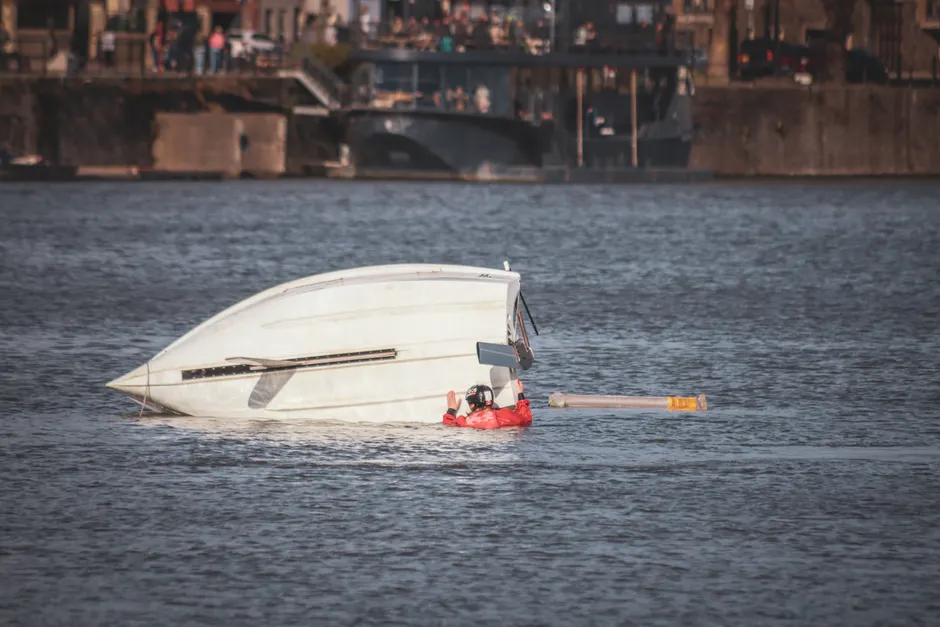
The ferry belonged to the Filo Denizcilik company and sank near Diana beach, according to Kyrenia's mayor, Murat Şenkul (The Guardian). Video footage showed people wearing life vests floating in the water around the overturned vessel.
The number of people rescued changed throughout the day. Northern Cyprus prime minister Ünal Üstel said 237 people had been rescued, with a search still underway for 24 others (The Guardian). Üstel also confirmed six deaths. Earlier, TRT Haber reported Üstel's figures as 172 rescued and six dead out of 267 people on board, with the search ongoing (TRT Haber). Early reporting had indicated that around 100 people on board had not yet been reached by rescuers (The Sun).
The total number of people on board also varied slightly across sources. The Turkish ambassador to Nicosia, Ali Murat Basceri, said the ferry carried 259 passengers and eight crew members, with many rescued and some taken to hospital (The Guardian). Basceri confirmed casualties without giving a number. TRT Haber's report, citing Ünal Üstel, put the total at 267 people (TRT Haber), while Metro identified the vessel as Express carrying 258 passengers plus crew (Metro). The most recent figures from Üstel, reported by The Guardian, place the total at nearly 270 passengers and crew.
The route between Kyrenia and Taşucu is one of the main sea passenger links between northern Cyprus and mainland Turkey. Northern Cyprus, formally called the Turkish Republic of Northern Cyprus (TRNC), is recognized as a country only by Turkey. The rest of the international community considers the territory part of the Republic of Cyprus under international law.
This matters for safety. Most international ferry routes are checked by organizations like the EU's maritime safety agency or the International Maritime Organization, a UN body that sets global shipping standards. But because Northern Cyprus is not internationally recognized, ferries operating from its ports do not fall under those normal inspection systems. Neither EU maritime authorities nor the International Maritime Organization has direct jurisdiction over these vessels.
Several aspects of the incident raise safety questions. The ferry began taking on water only 7.5 km from shore, yet six people died. That gap raises questions about how quickly passengers were evacuated, whether the life-saving equipment was adequate, and how fast the emergency response reached the scene.
The changing rescue and passenger numbers across sources within the first hours are not unusual in major maritime accidents, but they do make public communication harder. Ünal Üstel's figures went from 172 rescued (reported by TRT Haber) to 237 rescued (reported by The Guardian) over the course of the day, which suggests the rescue operation was still actively saving people rather than giving contradictory information. The difference, 65 additional rescues, shows that recovery efforts were still producing results as the day went on.
The broader context here is the regulatory gap in which these ferry operations take place. Because the TRNC lacks international recognition, vessels on this route do not receive the same flag-state inspections (safety checks done by the country whose flag the ship flies), Port State Control checks (inspections done when a foreign ship docks at a port), or EU maritime oversight that apply to most comparable ferry services in European waters. Turkey, as the only recognized state with operational oversight of these routes, bears the regulatory responsibility for vessel standards and crew certification. Whether this incident prompts a review of those arrangements, or becomes another entry in the long list of Mediterranean ferry incidents that make headlines but do not lead to structural reform, will depend on the findings of whatever investigation follows.