A Ferry Sank Off Cyprus: Here's What We Know

Eight people have died and 18 remain missing after a ferry carrying 259 passengers and eight crew members sank off the coast of northern Cyprus on Sunday, August 30, 2026. The boat left Kyrenia, in the Turkish Republic of Northern Cyprus (TRNC), around 12:30 local time (09:30 GMT), heading for the Turkish port town of Tasucu. BBC News
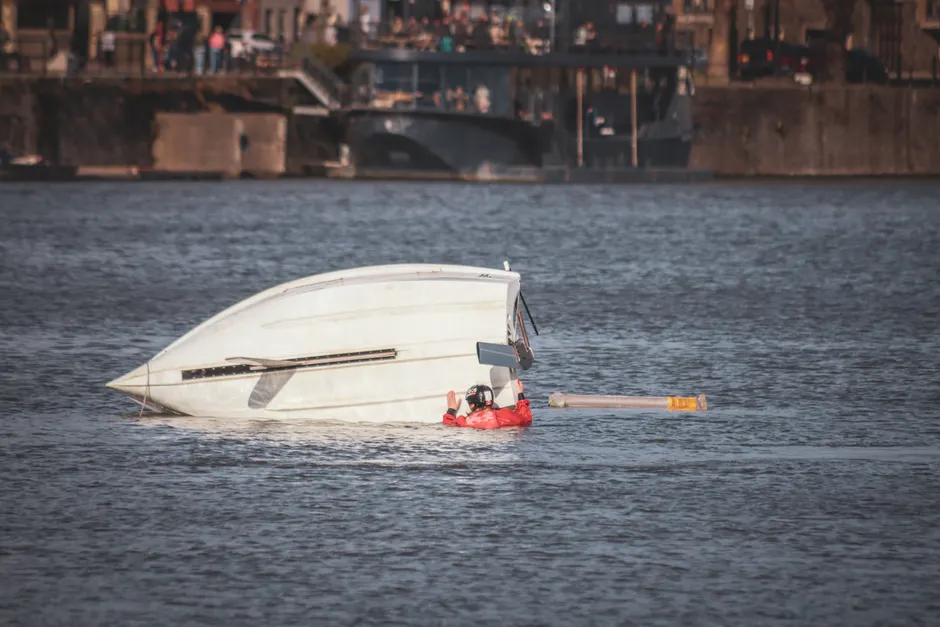
The ferry started taking on water almost right after it left. TRNC Prime Minister Ünal Üstel told local media that two large waves hit the boat one after the other. The captain was still dealing with the first wave when the second one struck and water rushed in. The ship flipped over and now sits at the bottom of the sea, 514 meters (1,686 feet) down. BBC News
About 237 people were rescued, according to The Guardian's live coverage on August 30. Nineteen people were being treated at hospitals in northern Cyprus. Rescue teams kept searching for the 18 passengers still missing. The Guardian
Police acted quickly. The ferry's captain, seven crew members, and another man were arrested on Monday. Court orders were issued to find and detain seven more people connected to the sinking. Ünal Üstel said the arrests were part of an investigation into how the disaster happened. BBC News
Officials are also trying to recover the ferry's black box — a device that records data about the ship's speed, direction, and communications, similar to the ones on airplanes. That information could give a precise picture of what went wrong. But getting it back from 514 meters underwater is extremely difficult and will require special deep-sea equipment. BBC News
The ferry was supposed to sail on Saturday but was delayed because of bad weather. It left the next day instead. Whether the weather had actually improved enough by Sunday, or whether the company felt pressured to sail anyway, are likely to be key questions for investigators. The fact that the boat hit heavy waves almost immediately after leaving raises doubts about whether it was safe to depart. BBC News
Ünal Üstel announced three days of national mourning in the TRNC. The loss is especially painful for a small territory, and the disaster came as a shock because this is a routine ferry route between northern Cyprus and southern Turkey that people use regularly. BBC News
The broader context here matters for understanding the investigation. The TRNC is only recognized as a country by Turkey, which means its shipping rules and safety checks are not connected to the International Maritime Organization, the global body that sets shipping standards. So the responsibility for investigating this accident falls entirely on TRNC authorities and Turkey. How credible the investigation turns out to be will depend on how open and transparent those authorities are.
The fact that nine people have been arrested and seven more are being sought suggests investigators see this as a possible crime, not just an accident to be reviewed. The arrests go beyond the crew to include people who worked on land, which means the investigation is looking at who decided it was okay for the ferry to sail in the first place — not just what the crew did once they were out on the water.
Until the black box is recovered, the official explanation rests mainly on the prime minister's account of the two waves. In maritime investigations, the difference between what survivors remember and what the instruments recorded is often where the full story emerges. In this case, that full picture may take a long time because retrieving the device from such extreme depths is so difficult.
With 18 passengers still missing and the ferry fully underwater, the search continues. The death toll of eight may still rise.