Trump Says Venezuelan Oil Will Refill America's Emergency Supply
President Donald Trump announced on August 30, 2026 that oil from a new deal with Venezuela will be used to refill the US Strategic Petroleum Reserve. He called the Venezuelan oil a "Gift from Venezuela to the People of the United States" and said the reserve had been made "virtually" empty under former President Joe Biden Al Jazeera.
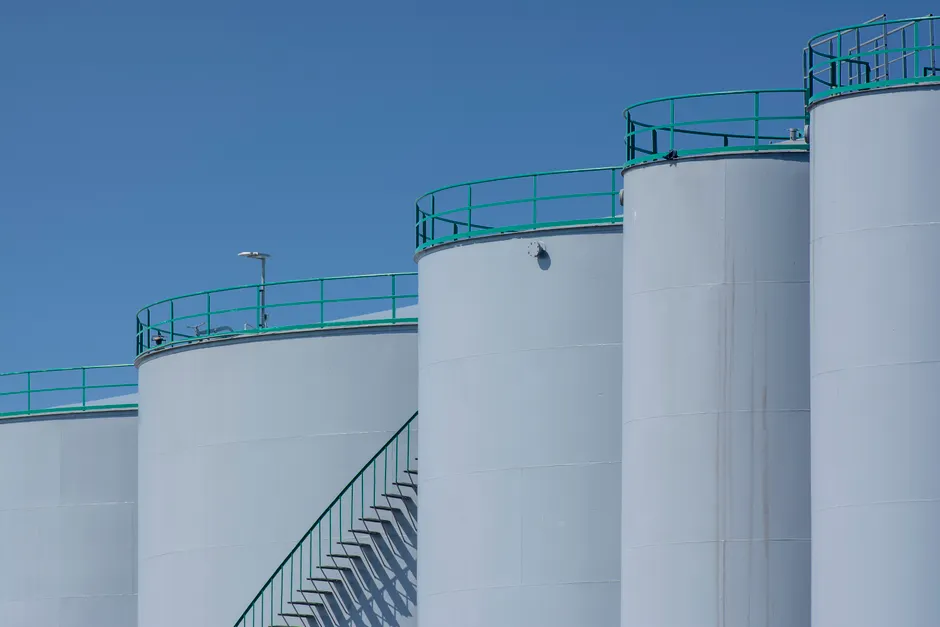
The Strategic Petroleum Reserve, or SPR, is like a national savings account for oil. The US government stores crude oil in underground caves along the Gulf Coast so that if a war, natural disaster, or other crisis cuts off the normal supply, the country has a backup. As of August 21, the reserve held about 290 million barrels, close to its lowest level in 44 years. Both the Biden and Trump administrations had drawn down the reserve by selling off oil from it. Trump has called refilling it a top priority since his January 2025 inaugural address, when he pledged to "fill the strategic reserves back up to the top" Al Jazeera; White House; White House.
The oil agreement with Venezuela was announced on August 28. Washington called it "historic." The deal covers 17 oilfields in Venezuela, including eight that have never been drilled before. The goal is to eventually produce 1.5 million barrels of oil per day. Venezuela's interim President Delcy Rodriguez said the deal lasts 25 years and involves 65 billion barrels of Venezuelan oil Al Jazeera; Reuters.
Trump claimed the deal will more than double American oil reserves and increase overall supply. He also said the United States has already taken 50 million barrels of oil from Venezuela under the new arrangement. Venezuelan interim authorities agreed to transfer 30 to 50 million barrels of high-quality crude that had previously been under sanctions. Sanctions are penalties the US government had placed on Venezuela that made it illegal for American companies to buy Venezuelan oil. Those sanctions were used to pressure the Venezuelan government CNN via Facebook; CBS via Facebook; CNN via KDRV.
Under the financial terms, Venezuela will receive $19 for every barrel produced and sold to the United States. Depending on oil prices, that could add up to $209 billion per year for Venezuela. Rodriguez said the agreement lets Venezuela develop its oil industry while keeping "ownership of and sovereignty" over its resources Al Jazeera.
Rodriguez became interim president after US special forces abducted then-President Nicolas Maduro in January 2026. Venezuela's Supreme Court then transferred leadership to Rodriguez. This change in government opened the way for a major shift in US-Venezuela relations, moving from sanctions that had choked off Venezuelan oil exports to a long-term supply and development deal Al Jazeera.
The shift happened fast. On January 16, 2026, a US State Department spokesperson said the United States was not considering using Venezuelan oil to refill the SPR and that no oil exchange was planned. By August 27, Trump administration officials were working to secure long-term access to Venezuela's oil. The next day, Trump publicly announced the agreement Reuters; Reuters; Reuters.
The size of this deal raises important questions. A 25-year agreement giving the US access to 65 billion barrels of Venezuelan oil, if it reaches the target of 1.5 million barrels per day, would make Venezuela one of the largest long-term oil suppliers for US energy security. The deal also changes how the SPR works. Instead of filling the reserve with oil bought inside the United States, the government would pump foreign oil into a stockpile meant for domestic emergencies. That approach has no recent precedent in how the SPR has been managed.
For Venezuela, the money at stake is enormous. A possible $209 billion per year, depending on how much oil is produced and what global prices look like, would be a major boost for an economy that has been under US oil sanctions for years. Rodriguez's emphasis on keeping Venezuelan ownership of the country's resources is politically important at home. But how much day-to-day control US companies keep over the 17 oilfields will likely determine whether that sovereignty is mostly on paper or real in practice.
There is more to Trump's "gift" framing than meets the eye. The $19-per-barrel payment to Venezuela and the US role in developing the oilfields make this a business deal, not a donation. Calling it a gift serves a political purpose: it connects a controversial foreign action, the removal of Maduro, to something Americans can feel at the gas pump and in the refilled reserve, with midterm elections approaching.
The production numbers also deserve a closer look. The revenue figure for Venezuela and the claim of doubling US reserves both depend on Venezuela pumping oil at levels it has not sustained in over a decade. The target of 1.5 million barrels per day is possible given Venezuela's known oil reserves, but it requires investment, repaired infrastructure, and political stability, all of which have been scarce. The 25-year timeline allows room to build up, and the 30 to 50 million barrels already transferred suggest the deal starts with oil Venezuela already has while new drilling ramps up over years.
How this deal interacts with OPEC, the group of oil-producing countries that coordinates supply, along with Russian and Iranian energy interests in Venezuela and the specific types of crude the SPR is built to store, will all shape whether the agreement lives up to its promises or becomes another complicated chapter in the long history of US-Venezuela oil relations.