Why France and Britain Are Sending Warships to Protect Oil Shipments

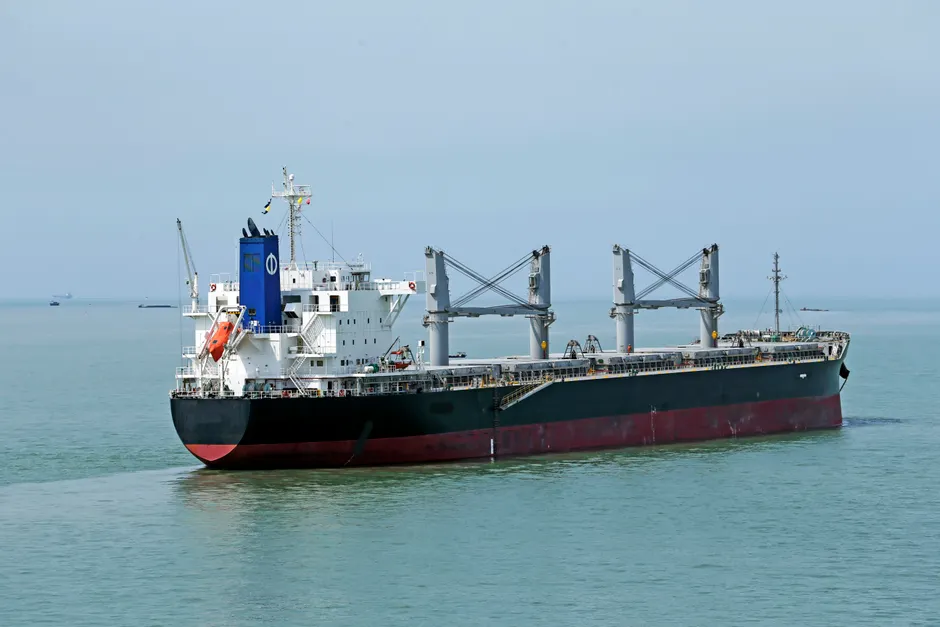
France and Britain are planning to send warships to protect oil tankers and cargo ships moving through the Strait of Hormuz, a narrow waterway in the Middle East where roughly one-fifth of the world's traded oil passes through. As of mid-June 2026, Reuters reports, the two countries are actively building a coalition of nations for this mission. Iran's next move will likely determine whether it actually happens.
How Did This Start?
Back in March, the leaders of six countries—the UK, France, Germany, Italy, the Netherlands, and Japan—issued a joint statement on 19 March 2026, calling on Iran to stop threatening ships in the strait. They objected to Iran laying mines, launching drone attacks, and using missiles to block the waterway. The statement didn't authorise anyone to use military force—it was mainly a political warning.
France wasted little time. By late March, Paris had asked 35 countries whether they would help with a naval mission. Reuters reported that France had also started moving its own ships to the region: an aircraft carrier, two helicopter carriers, and eight warships.
What Are Britain and France Actually Doing?
On 17 April, Britain's Prime Minister Sir Keir Starmer announced that the UK and France would jointly lead a mission to protect ships passing through the strait, according to the BBC. The key word is "protect"—the mission is strictly defensive. The ships will escort merchant vessels and help them avoid danger, rather than launch attacks.
Britain has started deploying real warships. On 9 May 2026, the HMS Dragon, a destroyer equipped with air-defence systems, was sent to the Middle East, Reuters reported. These air-defence systems are designed to shoot down drones and missiles. In late May, RFI reported that Britain is also preparing a special mine-sweeping ship for the mission.
Why mine-sweeping? Iran can place underwater mines in the strait, a tactic it has used before. Mines are bombs that explode when a ship passes over them, so a mine-sweeping ship goes first to find and remove them. Combined, these ships—the air-defence destroyer and the mine-sweeper—show that France and Britain are preparing for a difficult operation, not a routine one.
Why Isn't NATO Involved?
One might expect NATO, the military alliance of 32 Western and allied countries, to handle this mission. But as of mid-May 2026, NATO said it was not planning a role in the Hormuz mission, Reuters noted. Why? Several NATO member countries don't want to anger Iran, and others worry about being drawn into a conflict between Iran and the United States.
Instead, France and Britain are building their own coalition—a "coalition of the willing," meaning countries that choose to join rather than being obligated by an alliance. Other countries can contribute ships or support if they want to, but they're not required to. This approach has been used before in the Gulf, and it lets the two countries move forward without waiting for agreement from all 32 NATO members.
The bigger question is what happens next. If Iran agrees to stop threatening ships—either through talks or a ceasefire—the naval mission might never fully activate. If diplomacy fails, France and Britain's growing naval presence could become a permanent security force. Either way, the outcome will shape how safe shipping is in the Gulf for years to come.