Dyson Just Launched 11 New Gadgets — Here's What They Do and What They Cost
Dyson held its own event in Berlin on September 3, 2026 to show off 11 new and upgraded products, including air purifiers, robot vacuums, floor cleaners, and haircare tools. The company decided not to have an official booth at the IFA 2026 electronics show, instead hosting a separate event called "Dyson Unveiled" to reveal everything (Engadget).
The main air purifier is called the HushJet Big+Quiet Cool Pure+. It comes in three sizes and costs $1,099. Dyson says it is their most powerful air purifier yet, built to push clean air far enough to reach more than one room. It uses three filters in a row to trap dust, particles, and gases, and it breaks down formaldehyde, a common indoor air pollutant. A specially shaped nozzle pushes air out while keeping the noise down, and Dyson plans to use this nozzle on all its air purifiers, heaters, and fans going forward (Engadget).
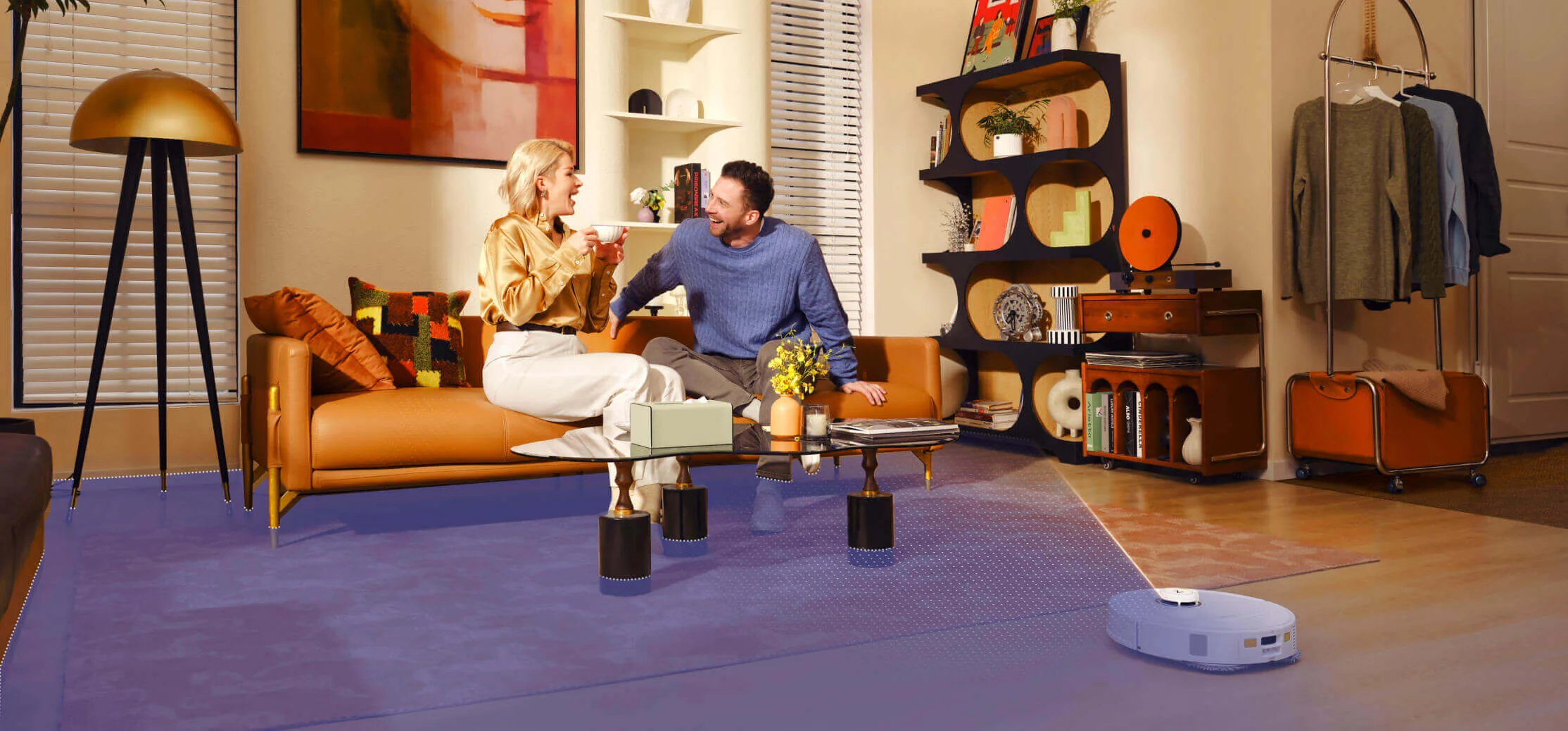
The robot vacuums got a new name: Nurovi, which Dyson says combines "neural intelligence" and "vision systems." The top model is the R3 Nurovi Spot+Scrub UV. It cleans both wet and dry messes and uses UV light, a green light, and AI to find stains you cannot see with your eyes. It can recognize nearly 200 different things it might encounter in a home. The vacuum cleans its own wet roller using a 12-point water system heated to 158°F. It launches September 15 at $1,199 (Engadget).
A second robot vacuum, the R2 Nurovi Wash+Dry, works on both carpet and hard floors. It uses pads shaped like rounded triangles that can reach into corners better than round pads. It also has a system that separates fine dirt from coarse dirt. The R2 uses heated water but does not have the R3's AI stain detection. It goes on sale at $699 only at Costco (Engadget).
Dyson also announced an updated version of its slim PencilWash floor cleaner, called the W1 PencilWash. It has a better roller for absorbing liquid, a cleaner system for handling waste, and a dock that cleans itself. It goes on sale in Fall 2026 at $349 (Engadget).
James Dyson himself presented the products in Berlin. The event was announced on August 21 on Dyson's website, which called it "an exclusive first look at the next generation of Dyson machines" (Dyson). A earlier showcase in September 2025 had given a preview of the direction, including what Dyson calls the world's slimmest vacuum and the Big+Quiet air purifier range (Dyson). Wired called the 2026 lineup Dyson's biggest update ever, pointing to the AI robot vacuum and self-emptying stations for stick vacuums (Wired).
The Nurovi name is worth paying attention to. Dyson has usually given its robot vacuums plain numbers and letters. By building "neural intelligence" and "vision systems" into the brand name, Dyson is saying that AI-powered recognition and stain detection are now core features, not extras. The R3's ability to identify nearly 200 household substances puts it in competition with high-end models from Roborock and Ecovacs, which have both poured money into AI for recognizing what is on your floor.
The prices also tell a story. At $1,199, the R3 is near the top of what robot vacuums cost. The R2 at $699 gives Dyson a cheaper option that drops the AI features but keeps the heated-water mopping. The $349 W1 PencilWash is for people who want a manual floor cleaner with self-cleaning at a price that competes with options from Tineco and Bissell.
The nozzle on the flagship air purifier matters beyond this one product. If it actually reduces noise the way Dyson says, and it gets used across the whole air purifier, heater, and fan line, then someone buying a $400 Dyson heater would eventually get the same noise-reduction engineering developed for a $1,099 purifier. Dyson has a history of taking technology from its most expensive products and working it into cheaper ones over time.
What has not been tested yet is whether the R3's UV and AI stain detection actually cleans better in a real home, or whether it ends up like other robot vacuum features that look great in a demo but struggle with real-world messes like pet hair and cereal. Reviewers will get their first chance to test it when it launches on September 15.