The U.S.-Iran Standoff Over a Critical Oil Route: What's Happening and Why It Matters

Six months into a conflict between the United States and Iran, Iran's ability to use a key shipping route as a bargaining chip is fading. New U.S. intelligence reports say Iran now has a better understanding of what it can and cannot do, and what the U.S. is willing to do, even as the economic damage to Iran itself grows faster than the damage it has managed to cause (Reuters; New York Times).
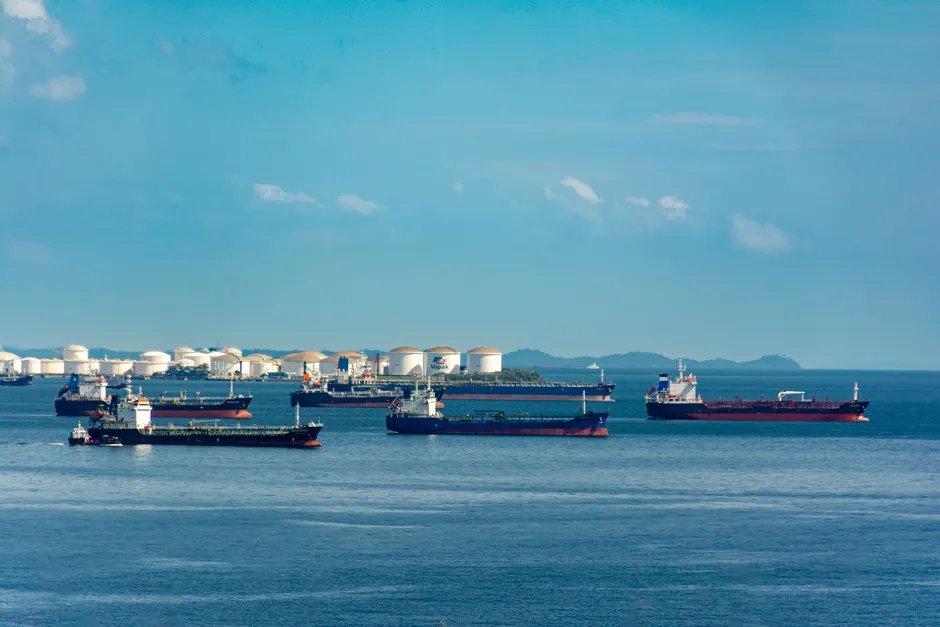
The route in question is the Strait of Hormuz, a narrow strip of water between Iran and Oman. About a fifth of all the world's oil passes through it every day. Whoever can control or disrupt that passage has enormous power over global energy prices. By September 2026, the U.S. and Iran were caught in what analysts call a "tanker war" — a months-long campaign in which American forces targeted Iranian ships and coastal facilities while Tehran tried to keep its grip on the strait (Al Jazeera). The economic effects were felt far and wide. The disruption pushed up prices for oil, gas, and other goods, with forecasts pointing to a surge in inflation for the year (New York Times).
The U.S. strategy has gone beyond military strikes. Under an initiative called "Operation Economic Outcast," Washington has pressured countries that trade with Iran, making it even harder for Iran to sell its oil around the world (New York Times). Sanctions — penalties that restrict a country's ability to do business — are a central tool here. A U.S. blockade has severely deepened Iran's economic crisis, and Iranian weapon stockpiles are likely running low as the conflict drags on (CNN; Congressional Research Service). Reuters reported that efforts to cut off Iranian oil exports have hit state revenues hard, and that Iran is now suffering more economic damage than it is inflicting (Reuters).
President Trump's threats of an "economic D-Day" against Iran, reported in August, were read as a signal that he does not want to return to open war, even as the economic pressure campaign intensifies (New York Times). Iran's President Pezeshkian, for his part, called for national unity in early September as U.S. economic pressure escalated (Al Jazeera).
Iranian military and diplomatic officials have responded with increasingly tough rhetoric. Iran's Army chief warned that U.S. forces are "not allowed" in the Persian Gulf, the Sea of Oman, and the Strait of Hormuz (IRNA). Iran's ambassador to the UN, Iravani, accused the United States of violating the April ceasefire — a formal agreement to pause fighting — through attacks on tankers and coastal sites, calling the actions "a grave and dangerous escalation" that could further destabilize an already fragile situation (IRNA). A spokesman for Iran's military reiterated a threat to "take the necessary action against the U.S. military" following American operations in the region (New York Times). Tehran has also warned Washington against what it described as manufacturing a false image of "international support" regarding the strait (IRNA).
Yet behind the tough language, diplomatic channels have not entirely closed. Iran confirmed in July that it had received proposals and ideas from several mediators aimed at reducing tensions with the United States (IRNA). No breakthrough has been publicly acknowledged, and as of early August, Iranian leaders appeared committed to their current course despite the mounting economic damage (Congressional Research Service).
The broader context here is one of unequal pain. The U.S. economic campaign has been designed to wear down Iran's ability to sustain a conflict rather than to win one decisively on the battlefield. By targeting trading partners and cutting oil revenues, Washington has placed Tehran in a position where its main strategic asset — control over the Strait of Hormuz — is losing its effectiveness even as its public stance hardens. The intelligence finding that Iran has gained clarity about both its own limits and those of the United States suggests a recalibration underway in Tehran, but whether that clarity produces flexibility or deeper entrenchment is not yet discernible from available reporting.
The historical pattern of maritime chokepoint coercion offers limited analogy. Iran's Foreign Minister Zarif previously published a note in the Financial Times addressing mistrust, acrimony, and conflict in the community around the Strait of Hormuz, underscoring that the strategic and diplomatic contours of this dispute predate the current escalation (Iranian Ministry of Foreign Affairs). What sets the present moment apart is the convergence of three pressures at once: a military blockade, a sanctions campaign against trading partners, and the depletion of Iranian munitions stocks. Each of these pressures, individually manageable for a resilient state, compound when applied simultaneously over months.
Looking at what this means for the trajectory of the conflict, the key variable is whether the economic squeeze produces a negotiated off-ramp or drives Iran toward a more desperate escalation. The mediators' proposals now in Iranian hands represent the most visible diplomatic thread. But Iran's insistence that U.S. actions violate the April ceasefire, combined with its leaders' apparent commitment to their course, suggests that the gap between the diplomatic track and the battlefield reality remains wide. The U.S. intelligence assessment that Iran better understands the limits of American power cuts both ways: it could encourage restraint, or it could embolden Tehran to test those limits more precisely.