Russian Warship Fired on a British Yacht—Here's What Happened and Why It Matters

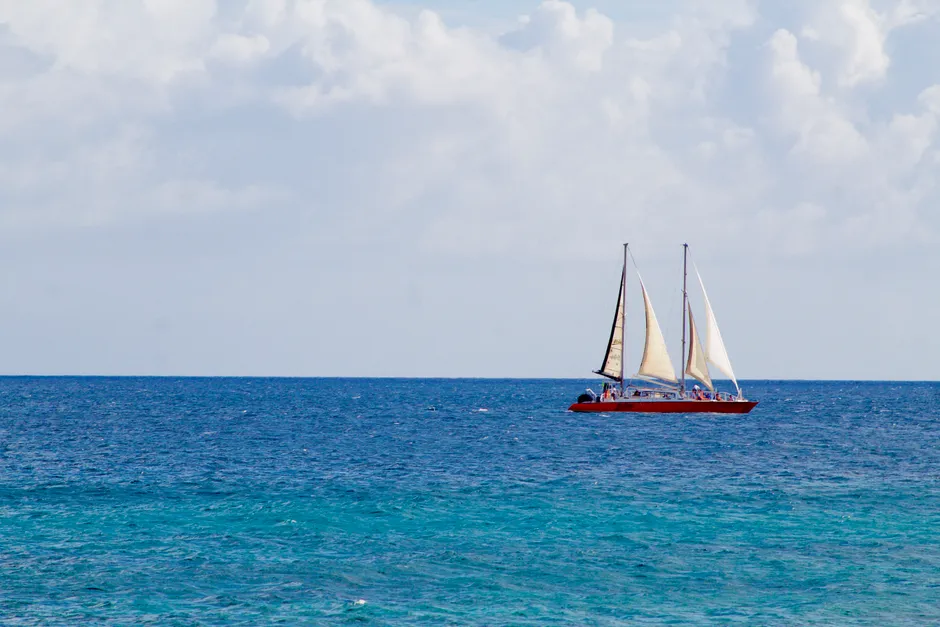
A large Russian military ship fired warning shots near a small British sailing yacht in the English Channel on June 16, 2026. The yacht, called the Bright Future, was carrying Jane and Alan Kelvey, a retired couple in their late 60s and 70s, sailing from Hampshire toward France. Nobody was hurt and the yacht was not damaged, according to Yahoo News. The couple told The Telegraph they had done nothing wrong.
The Russian ship was the Admiral Grigorovich, a military frigate—essentially a large armed naval vessel. It is 409 feet long. The yacht is 40 feet long. Britain's Royal Fleet Auxiliary had a ship called the Tideforce already watching the Russian vessel when it happened, per CBC News. The size difference tells you something important: a huge military warship firing warning shots at a tiny civilian sailing yacht is not normal.
What the Law Says
The English Channel is one of the world's busiest shipping lanes, and international law carefully controls how ships can move through it. Under a UN agreement called the Convention on the Law of the Sea (UNCLOS), all ships—including military ones—are allowed to sail through these waters. The middle of the Channel is international water, though the edges touch British and French territory. Russian warships have sailed through the Channel before, and the British Navy has kept watch on them as part of normal NATO procedures.
But firing warning shots at a civilian boat is different. In international maritime law, warning shots are a tool used only by police during law enforcement or by militaries during warfare. They are not supposed to happen in peacetime against private boats just passing through. Russia has claimed in the past that civilian boats were creating safety problems around its military ships in European waters, but European NATO countries have said these claims were not true.
What makes this incident noteworthy is that Russia is using a tactic normally reserved for law enforcement or wartime against a retired couple on a leisure yacht. The Kelveys' statement—"we did nothing wrong"—matters legally because it directly challenges any Russian explanation for why the warning shots were necessary.
What Happens Now
The British government will need to decide how to respond. At minimum, they will likely send an official complaint to Russia through normal diplomatic channels. If the UK government makes a strong public statement through its Defence or Foreign Ministry, that would signal Britain intends to use this incident to challenge Russia's broader behavior in European waters and raise it with NATO allies.
For the Kelveys, the matter appears to be over. They face no charges and have their side of the story on the record.
The Admiral Grigorovich is a ship that has been in Russian service since 2016 and is based in Russia's Black Sea region. It has sailed in the Mediterranean and Atlantic before, and NATO has tracked it during previous Channel passages. So its presence in the Channel was not a surprise—the British were already watching.
The key question is whether a military warship firing weapons at a civilian boat, even warning shots, crosses a line that the law and international custom are supposed to protect. In a busy international waterway where both warships and everyday civilian vessels are supposed to coexist peacefully, that line has real meaning.