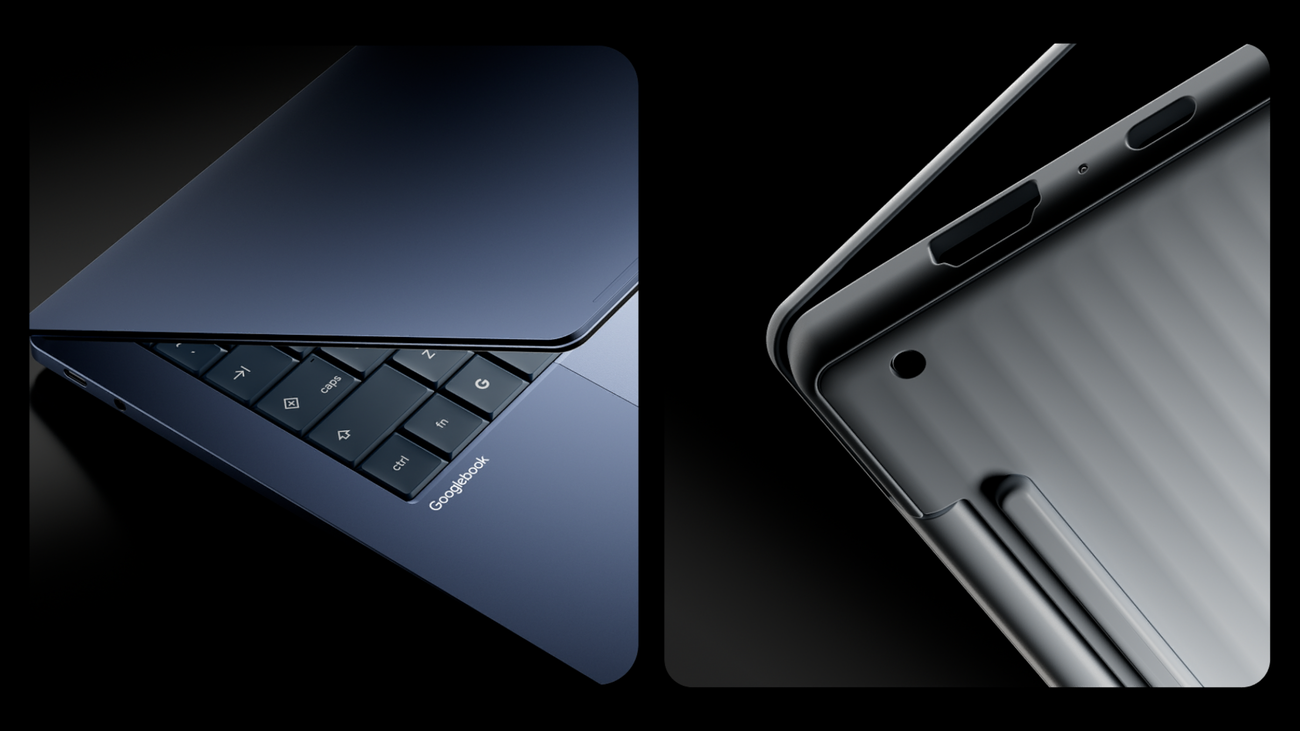
Google's New Googlebook Laptops Are Coming Soon

Pre-orders for Google's new Googlebook laptops open on September 21 at 9AM ET. Engadget
Googlebooks are higher-end laptops from Google. They run a version of ChromeOS built on Android. Models from Acer, ASUS, Dell, HP and Lenovo are coming.
The broader picture here is why that setup matters. Higher-end creates expectations for build, screen, keyboard and chip speed, though no exact specs are given here. With five companies making hardware while Google controls software, business buyers get more choice of keyboards, ports, support plans and prices without changing how the computers are managed.
Google says Gemini Intelligence is at the center of the system.
In my view, that wording is worth noting. Think of it like a building manager with master keys, not a visitor allowed in one room. It can work across apps and remember context. That raises questions about permissions, how requests are routed, record-keeping, where outside apps can connect, and how much memory and heat it uses in the background.
The laptops add two interaction features. Magic Pointer shows suggested actions when the user wiggles the cursor. Users can also generate custom widgets.
The practical question is whether those tools help or add clutter. A wiggle is easier than learning shortcuts or hunting through menus. If suggestions are fast and correct, task switching drops. If not, they add noise. Widgets help when data links, refresh rules and access controls are predictable. They add support work when behavior shifts by prompt, app or account.
On hardware, there is a glowbar on the lid. The laptops also connect closely with Android phones.
The everyday context here is that the phone link matters more for daily use. The glowbar is outward style, a physical status signal. The phone link covers texting, mirrored notifications, file sharing, sign-in and internet sharing, tied to the Google account. Built-in links are usually easier to set up and more reliable than add-on tools, though limits matter when mixing a personal phone with a managed laptop.
For people who make software, the structural change is one shared Android base. That can simplify building, testing and managing apps for teams that already make Android apps. It also means shared limits on interfaces, background rules, drivers and chip tuning, and closer ties to Google services and updates.
In my view, buyers should watch four tests until full reviews arrive. How fast Magic Pointer stays under load, how widgets behave under company rules, what Gemini does with weak internet, and how the phone link separates personal and work use. With several makers, buyers can judge software separately from design and support.
Looking ahead, what this could enable is a laptop that picks up phone work to finish with a keyboard. Similar help, panels and phone-to-PC handoff have been tried before. The difference now is they arrive together, on higher-end machines, with Google chips and services behind them.