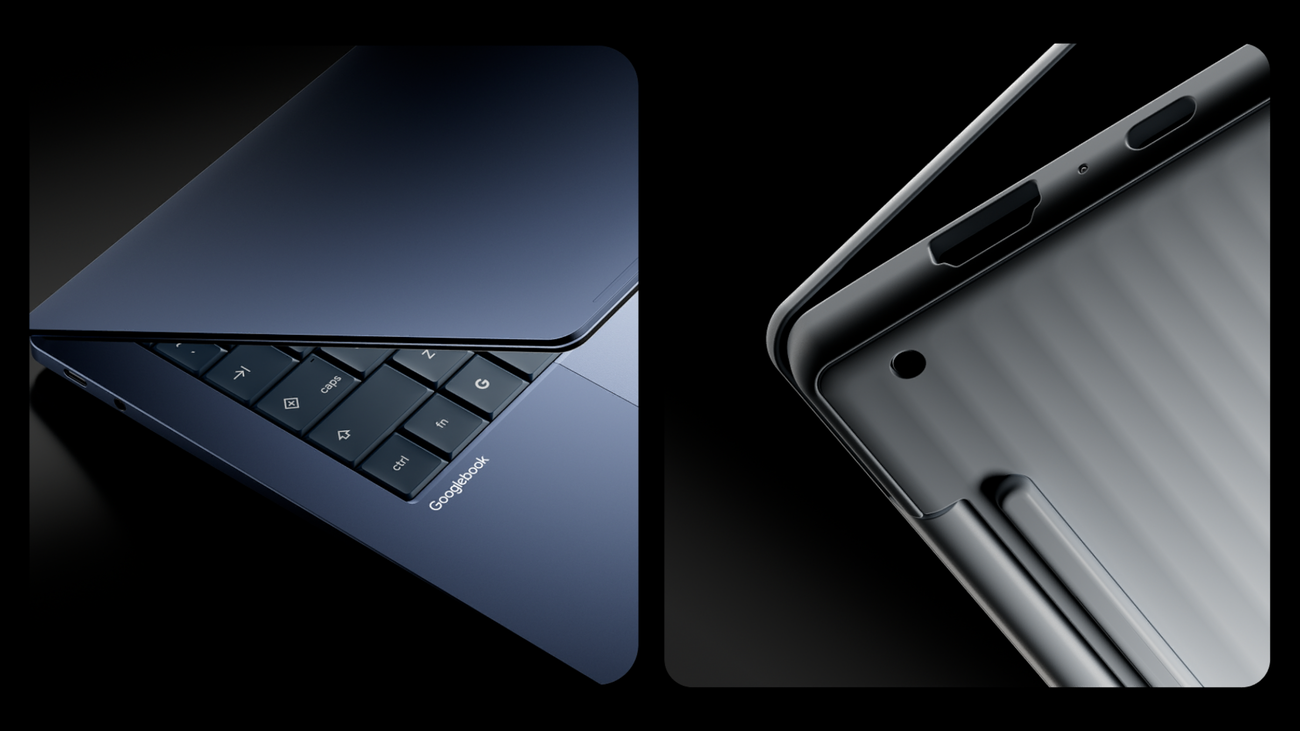
Google's New Android Laptops Are Here and They Need Your Phone

The first Googlebooks went on sale on Sunday, October 4. They are laptops that run Android, made by Acer, ASUS, Dell, HP and Lenovo, with prices starting at $899.
Pre-orders opened on September 21, 2026, according to Reuters. Google first described them in May as a "new category of laptops designed for Gemini Intelligence," in its May 12 announcement Google. In September it called them a "new line of premium laptops" Google.
There are five models, one from each maker. Two names are known: the Dell XPS and the Lenovo Googlebook 15 Ars Technica. The Dell XPS Googlebook does not have an OLED screen, a bright type of display. Early reviews are short. The Verge said it got all five laptops about 24 hours before posting first looks on October 6 The Verge. That allows time to check setup and menus, not battery, speed or daily use.
Setup needs an Android phone. You scan a QR code to link the phone, sign into Google, and the laptop loads apps already on the phone. The phone stays linked inside the laptop. Phone apps get their own menu, and phone files show in the Googlebook Files app.
For moving work, there is Continue On. An app open on the phone appears on the laptop bottom bar for a one-click move. The move starts from the laptop. On the lid is a light called the Glowbar. It glows white in normal use, changes colors when you talk to Gemini, and shows a rainbow when you close the lid.
The broader context here is that the phone is in charge. Your account, apps and files come from the phone, which makes setup simple at home or work. It also means the best fit is people who already own an Android phone. A Googlebook still works without one, but setup expects it.
Looking at what this means for software, the question is how phone apps act on a laptop. Phone apps are built for touch, varied screen shapes and saving power in the background. Keyboards, trackpads and windows you can resize are different, and many apps will need work to adjust. Continue On is Google's shortcut, carrying over what you are doing so you do not reopen and sign in again.
In my view, the price and the five makers matter. Google is not trying one test model. It is asking five known brands to sell this Android line next to usual laptops. That shares cost and gives offices familiar ways to buy. Worth flagging, $899 brings high hopes for updates, add-ons, and good keyboards and trackpads, things phone-based systems have often taken time to get right.
From my own experience, my kids long treated the phone as the real computer and the laptop as the extra. Googlebook makes that habit official. If files stay in sync and Continue On works on home, office and mobile links, the laptop feels like a bigger screen for work already started. That small change could help daily life if app makers shape their designs for the larger screen.