Google's New $899 Laptop Is Built to Work With Your Android Phone
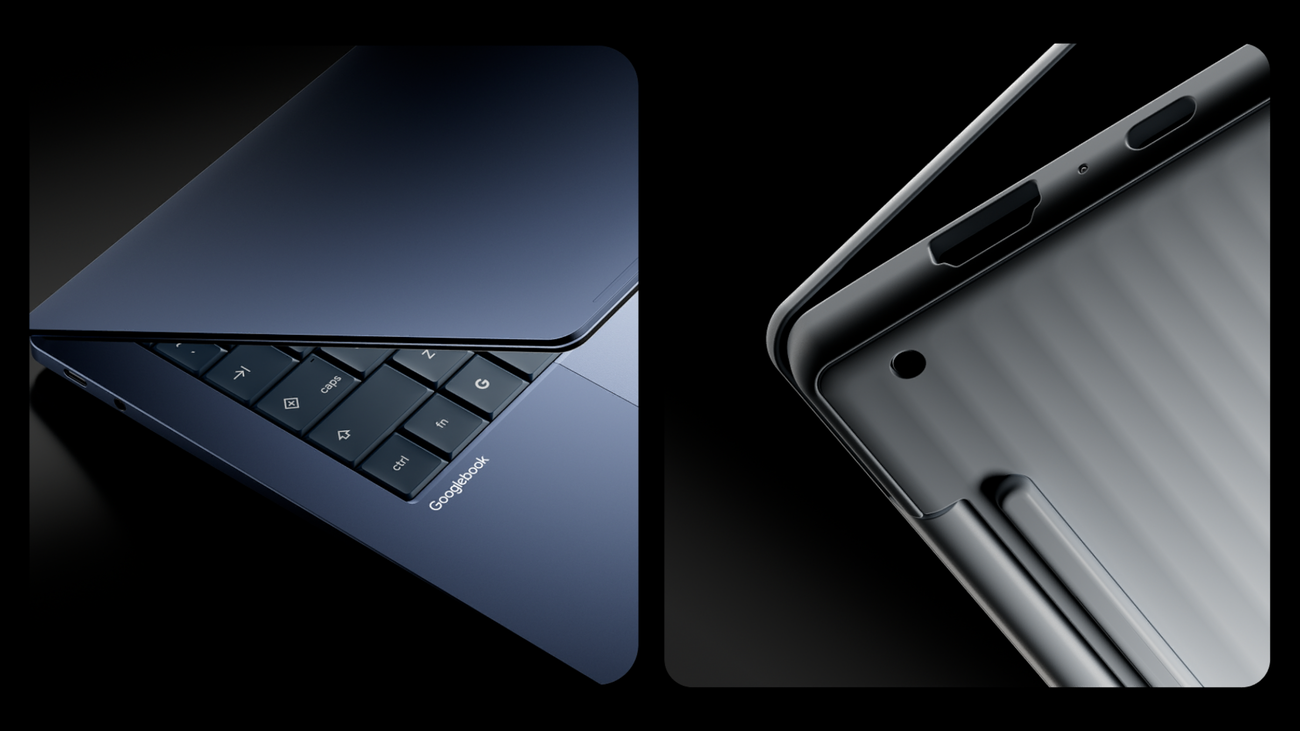
Google has opened pre-orders for its $899 Googlebook laptop, which reaches stores on October 4th. The announcement formalizes the Googlebook line first shown in May 2026 and positions it as a step up from traditional Chromebooks. TechCrunch The Verge
The pitch is phone continuity. Google calls Googlebook "the laptop your Android phone has been waiting for." Google
OS and hardware
Googlebook merges Android and ChromeOS experiences in the United States. Reuters The devices run Android OS, the same basic system as Android phones, with a desktop version of the Chrome browser and other ChromeOS parts. They do not run ChromeOS itself. TechCrunch
In my view, that software choice is about simplicity. It puts apps, logins, alerts, files, and sharing on one phone-based system instead of maintaining two separate laptop systems.
Google describes the laptops as designed for Gemini Intelligence with all-day battery, thin and light designs, and seamless Android integration.
The launch is not one single model. Googlebook laptops are built with Acer, ASUS, Dell, HP, and Lenovo. Models carry starting prices from $899 to $1,299. Store listings identify devices from Acer, XPS, and Lenovo in the initial comparison set.
The Lenovo Googlebook listed by the Google Store comes with 16GB of memory and 512GB of storage, and includes Titan-C security. Google Store Google says premium materials and striking design set Googlebook apart. Google
The $899 Googlebook includes 12 months of Google AI Pro with 5TB of online storage and Gemini Advanced tools. That puts AI access and storage into the first year of ownership.
Gemini feature stack
Googlebook features Gemini Spark and Gemini Live. It also ships three built-in AI tools: Magic Cursor, Rambler, and vibe-coded widgets. TechCrunch
Magic Cursor is a smart pointer linked to Gemini, like a helper that lives where you click. It can pull out webpage content for Gemini, check an email you point at for scam signs, and pull images together for Gemini to work with.
Rambler is smart dictation that turns messy spoken brain dumps into clear text. Vibe-coded widgets let you make small on-screen tools just by describing them in plain words. Neither tool is explained in technical detail in the launch materials.
Worth flagging for buyers is what that lack of detail leaves open. It is not clear what information these tools can see or how permissions work across Android apps and Chrome tabs.
The broader context here is a move from an assistant in a browser tab to AI built into the system. The tradeoff will be small compatibility issues around windows, accessories, and workplace controls where ChromeOS already had established rules.
Where Chromebooks fit
Google has said there are around 50 million Chromebooks in schools used by students and educators. Google said in May 2026 that current Chromebooks would continue to be supported, with many eligible to transition to the new Googlebook experience in the future.
Worth flagging for schools and IT teams is what that path implies. Googlebook is a step up from traditional Chromebooks, not an immediate replacement for school fleets. That points to two tracks for now: Chromebooks for lower-cost, centrally managed use, and Googlebooks for personal and work use centered on Gemini.
Worth flagging for buyers is also what is still unspecified. Battery life is described only as all-day. Processor, AI chip speed, memory speed, and whether AI work happens on the laptop or in Google data centers are not stated. Workplace login, update timing, and admin controls are also not detailed.
Looking at what this enables if it works well, the benefit is less friction for Android phone owners. They get phone apps and accessories on a laptop with full browsing and Gemini built in. My own household stopped separating phone tasks and laptop tasks long ago. The kids simply expected things to carry over.
In my view, the $899 price still asks people to buy new hardware for AI rather than get it as a software update. The included AI Pro and storage help in year one. Whether Magic Cursor, Rambler, and vibe-coded widgets become everyday tools will become clear quickly after October 4th.


