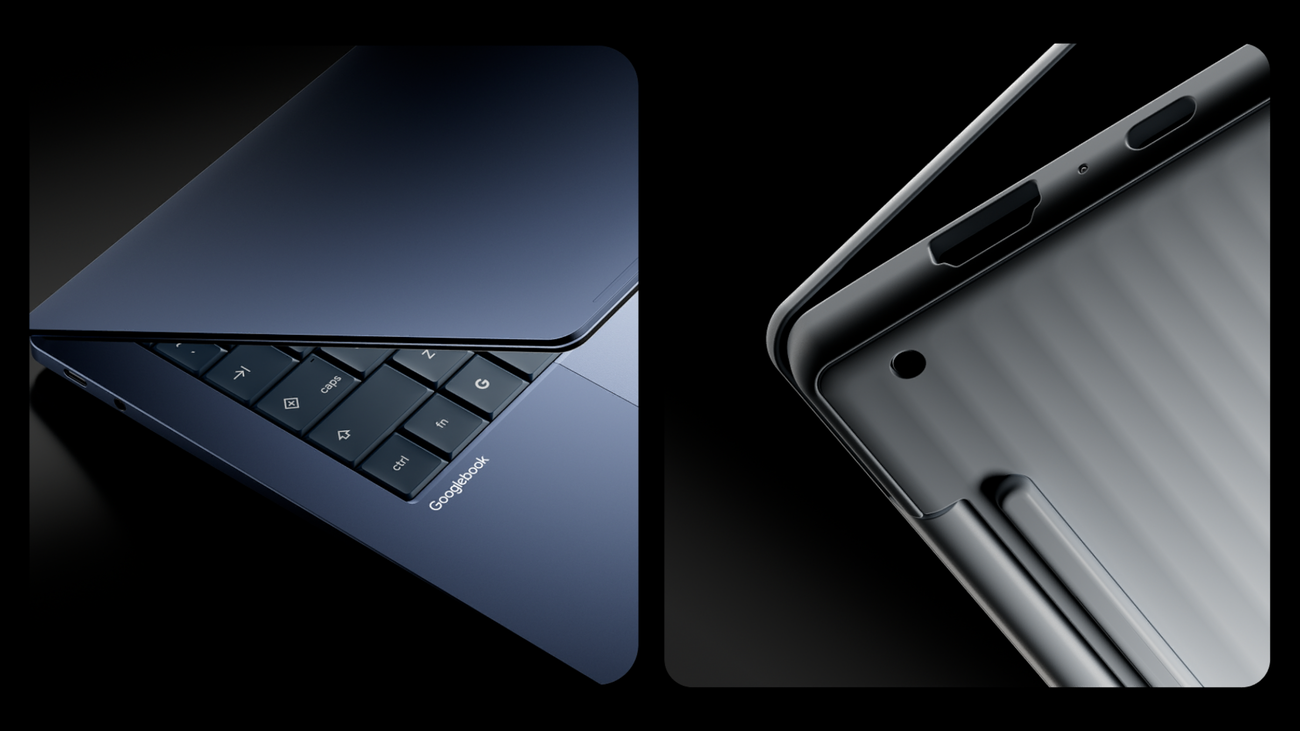
Google Is Selling Its New Laptops Before Showing Them Off

Google will start pre-orders for its new Googlebook laptops on September 21, before its Opening Night event in New York City on October 5. The sale comes first and the show comes second. Engadget
Opening Night is described as a Googlebook 'celebration' event. Google said the October 5 show will have hands-on demos and the first laptop built for Gemini Intelligence. The New York location points to a launch for regular shoppers, not developers.
Googlebooks are new laptops that run on Android. They use a version of ChromeOS built on Android, so two Google systems that used to be separate now share the same base, like two houses on the same foundation. Acer, ASUS, Dell, HP and Lenovo are making them, so they will reach shops and businesses from day one.
Google has shared two details so far. The lid will have a "glowbar," an outside light. Google has not said what the light will mean. The laptops will also have Magic Pointer, which suggests actions when you hover over something on screen. It only turns on when you wiggle the pointer and stays off the rest of the time, so it does not get in the way.
Pre-orders start September 21 at 9 a.m. ET, according to early retail information. 9to5Google That leaves a two-week gap before Opening Night, when specs, prices, and store plans will have to carry the story without event reviews.
The broader context here is making things simpler. One shared base means developers build once for touch, keyboards, windows, and background tasks. It also keeps AI work on the device, safety permissions, and updates in step. For company buyers, the questions will be logins, controls, and how older Chromebooks will work with these new machines.
In my view, the two design details matter more than the event name. A lid light only helps if its signals are simple and easy to read quickly. The wiggle-to-help tool is the better idea. It leaves you in charge and keeps AI help one small move away. If the tips are useful and easy to close, that quiet style could help people use it. This kind of tool works best when it waits until asked, and this early plan sounds promising.