Rivian Sued Over Self-Driving Claims While Settling Investor Lawsuit
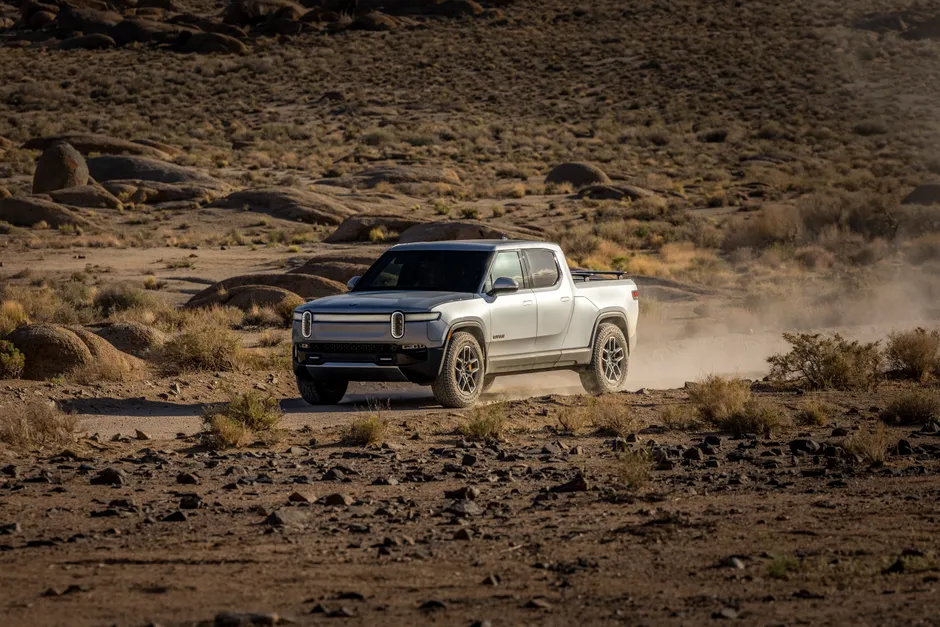
Rivian Automotive is dealing with two separate lawsuits. One involves investors who say the company misled them about its business, and the deadline for those investors to claim compensation just closed on April 20, 2026. The other, filed on June 18, 2026, involves Rivian owners who say the company made false promises about self-driving features in its vehicles.
The investor lawsuit started in 2022, not long after Rivian went public in November 2021. When Rivian's stock price fell sharply after the IPO, disgruntled shareholders sued. Rivian agreed to settle the case in October 2025, and a judge gave preliminary approval in December 2025. Now that the April deadline has passed, that case is essentially closed. The settlement details are filed with the SEC.
This kind of lawsuit—investors suing after a company's post-IPO stock decline—happens fairly often in the electric vehicle industry. Several EV companies that went public in 2020 and 2021 have faced similar cases.
A New Problem: Self-Driving Claims
The new lawsuit is different. It focuses on what Rivian told buyers—not investors—about the car's self-driving abilities. Rivian owners say the company claimed features that don't work the way they were advertised.
This dispute has happened with other car companies too. Tesla's "Full Self-Driving" feature has been questioned by regulators and in lawsuits. Ford and General Motors have faced similar challenges with their own advanced driving systems. The core problem is always the same: the name and marketing of a feature promise more than the technology can actually deliver.
Here's why this matters technically: most current self-driving systems on the market work at what experts call "Level 2"—which means the car can steer itself and adjust speed, but the driver must always be paying attention and ready to take control. If a company markets a Level 2 system in a way that makes it sound like the car drives itself (which would be "Level 3" or higher), that's legally risky. U.S. regulators have become more watchful of how companies describe these features after accidents involving driver-assistance systems.
The timing is awkward for Rivian. The company is trying to ramp up production at its factory in Illinois and improve profits on each vehicle it sells. It also has a major deal to supply Amazon with delivery vans. A lawsuit that raises questions about vehicle safety is a headache the company does not need right now.
The investor settlement doesn't mean Rivian admits it did anything wrong. Settlement is just the legal process working itself out—and it's routine for a company in Rivian's situation. The real question is what documents come out during the new lawsuit. If internal emails or memos surface showing how Rivian decided what to claim about its self-driving capabilities, that could matter beyond just Rivian's legal problems.
Broader context: the car and tech industries are still learning how to honestly describe what self-driving systems can and cannot do. Every lawsuit that turns on the gap between marketing claims and what the technology actually does sets a precedent for how these products will be described and sold in the future.


