Two Trains Collided Near Bedford. Here's What We Know and What Happens Next.

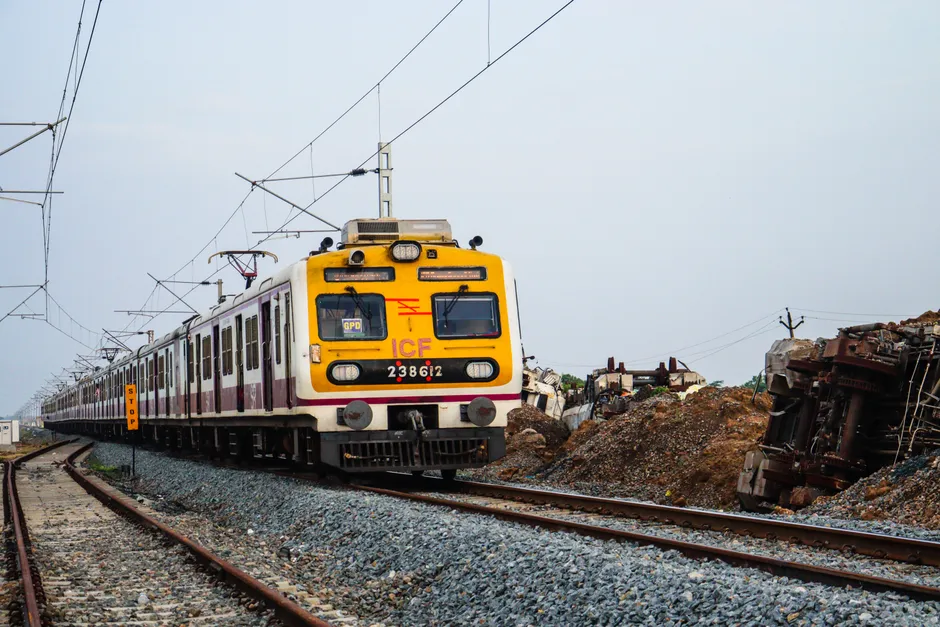
Two trains collided near Bedford on 19 June 2026, killing at least one person and injuring several others, according to The Guardian. Rail operator Thameslink confirmed that all lines through the corridor were blocked immediately after the crash.
Why This Location Matters
Bedford is a critical junction on the Thameslink route, a major railway line that connects destinations from Bedford in the north, through central London at St Pancras, Farringdon, and Blackfriars, all the way to Brighton and Gatwick in the south. When trains cannot get through this point, passengers in Bedfordshire, Hertfordshire, and north London lose their direct connections. It is rather like a major highway exit shutting down — traffic has to find alternate routes, and few alternatives exist at scale for rail passengers.
What Caused the Crash?
The cause has not yet been established. In the UK, rail crashes trigger two separate investigations. The Rail Accident Investigation Branch (RAIB) — an independent body — investigates how the crash happened and what safety lessons should be learned. The British Transport Police runs a separate criminal investigation because someone died. These are different processes with different goals: RAIB looks at systems and safety; police look at whether laws were broken.
The Broader Picture
Thameslink is one of the busiest train lines in the UK. During rush hours, trains arrive every few minutes. That frequency is good for passengers — more trains mean more seats — but it leaves less room for error. If a train's brakes fail, a signal breaks, or a driver makes a mistake, there is little time to stop before another train arrives.
Since major crashes at Ladbroke Grove and Potters Bar in the early 2000s, British railways have installed new safety systems. Two of the most important are TPWS and ETCS. Both work the same basic way: they use electronics to control train speed and movement, much like how a car's cruise control can be overridden automatically if danger is detected. ETCS is particularly designed to stop a train that has passed a red signal. RAIB investigators will check whether these systems were working on the affected section of track.
What Comes Next
Even once the line reopens, delays will linger. Trains and crews that were displaced take time to get back to their normal routes. Train operators usually arrange bus replacement services, but buses cannot move the thousands of passengers that a long-distance line like Bedford to London normally carries.
The number of deaths and injuries reported today should be treated as preliminary. Emergency services are still accounting for everyone involved, and these figures often change as rescue work continues. Network Rail and Thameslink will release more operational updates as engineers inspect the track for damage. RAIB will publish a short preliminary report in the coming weeks, followed by a full investigation report within twelve to eighteen months.